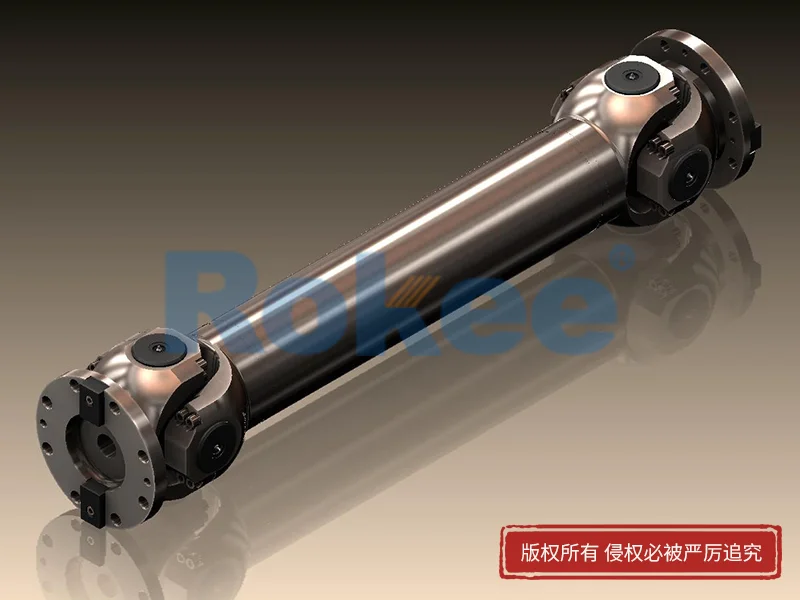
Universal cross joints stand as one of the most ingenious and enduring mechanical transmission components in the history of engineering, serving as a flexible connection core that bridges rotational power between misaligned shafts across countless mechanical systems. Rooted in early mechanical exploration and refined through centuries of technological iteration, this compact yet robust structure has evolved from primitive mechanical hinge designs into a standardized, high-reliability component indispensable to modern machinery, transportation, and industrial equipment. Unlike rigid shaft couplings that demand precise coaxial alignment and tolerate almost no positional deviation, universal cross joints excel at transmitting continuous rotational torque and motion between two shafts with angular offset, parallel displacement, or dynamic positional changes, making them a foundational element of flexible power transmission in mechanical engineering.
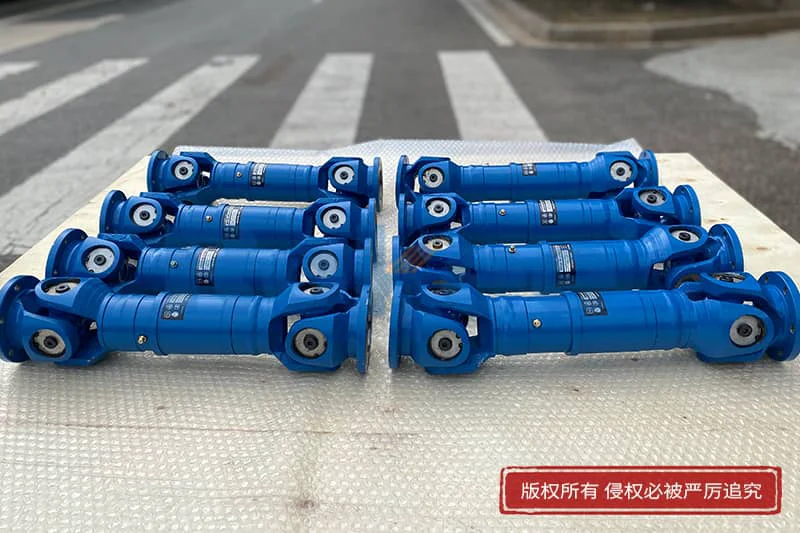
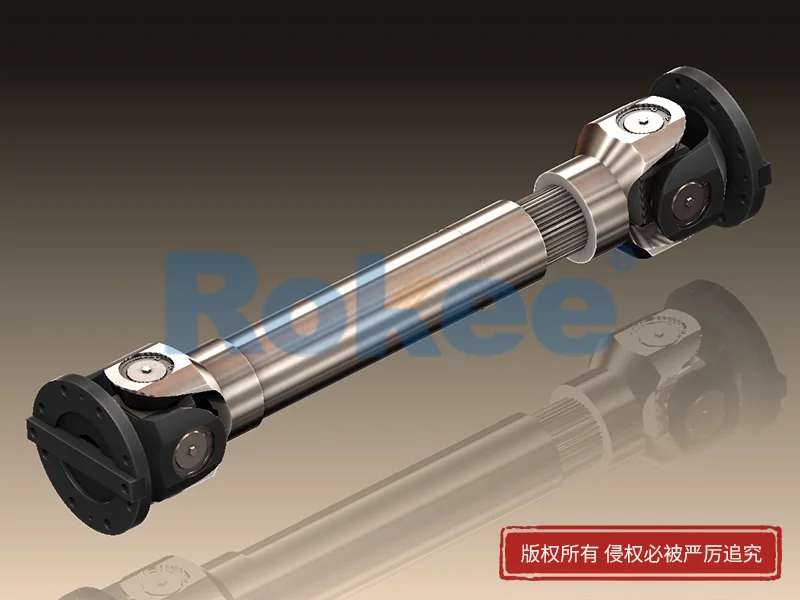
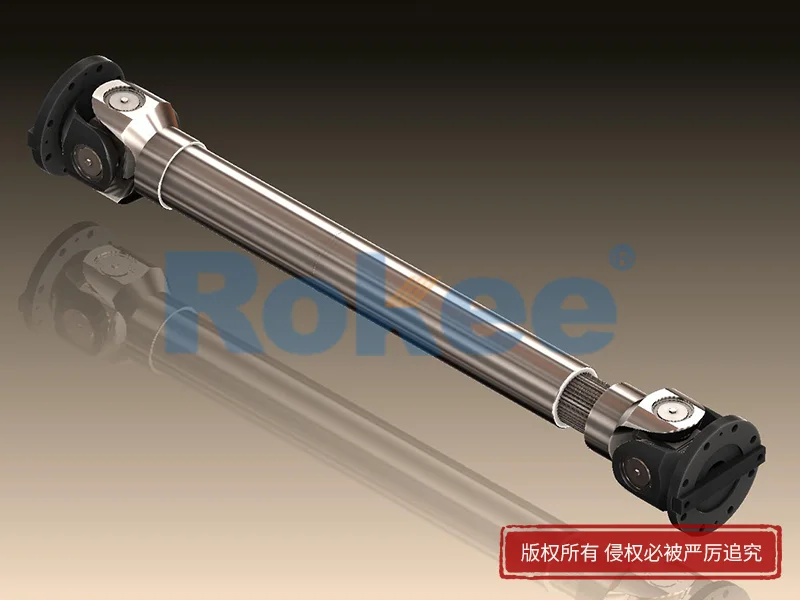
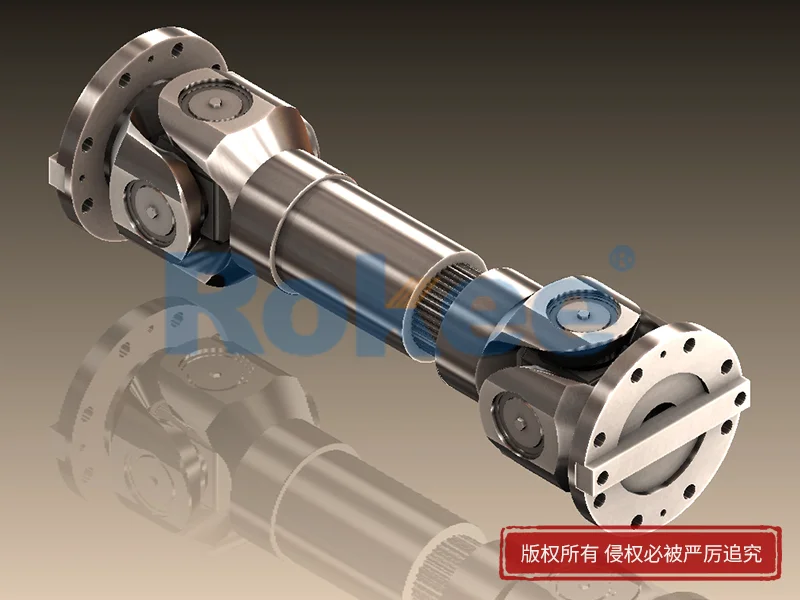
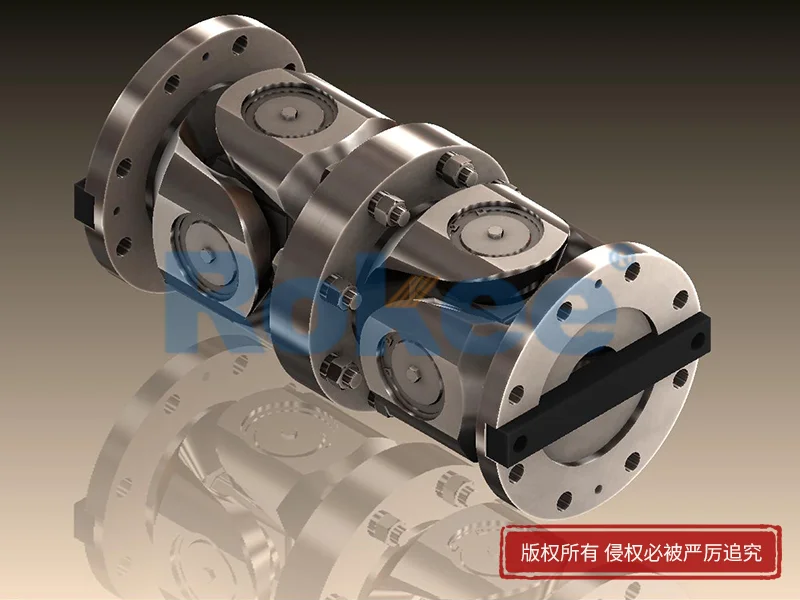
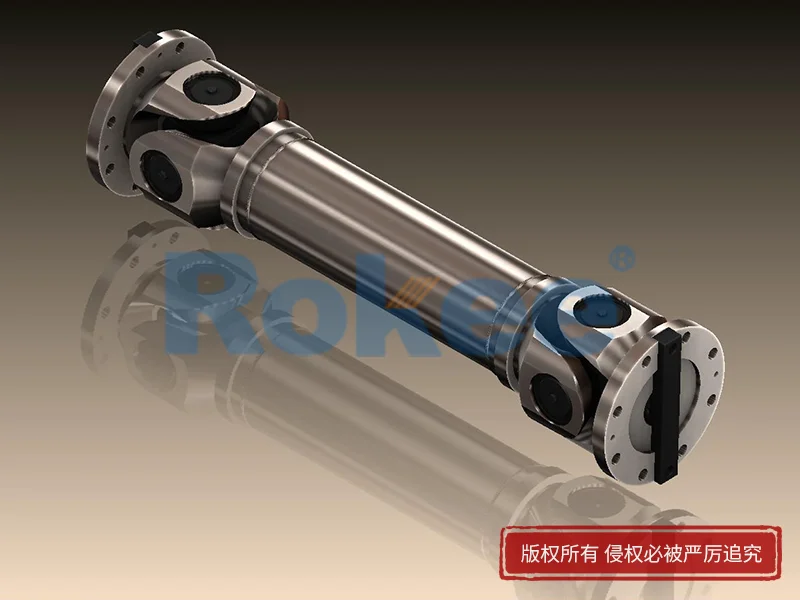
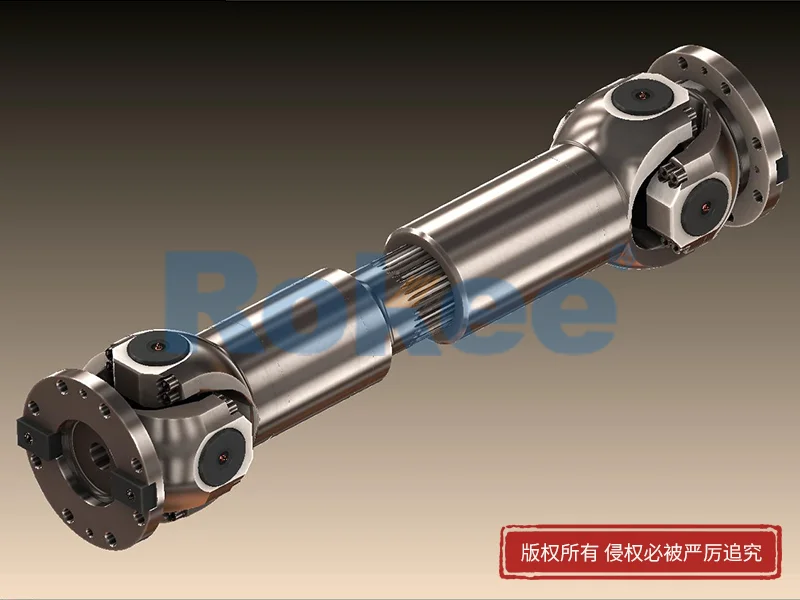
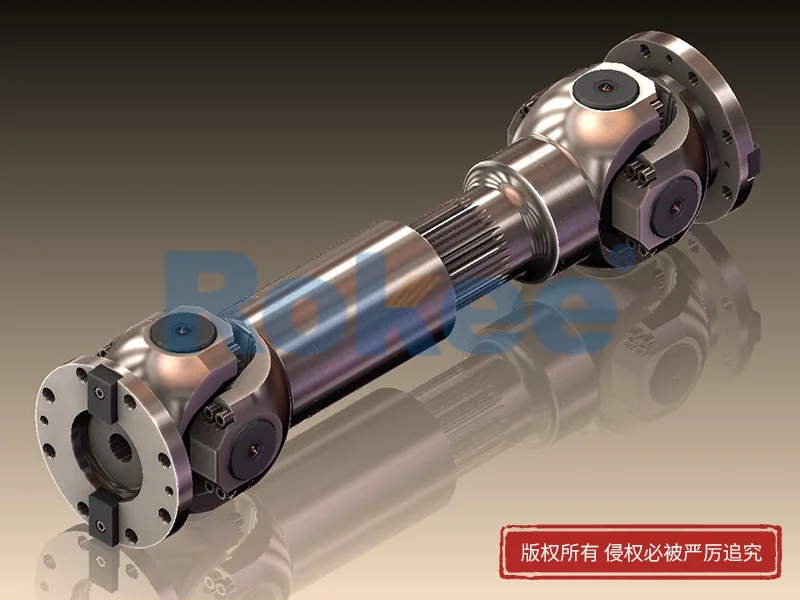
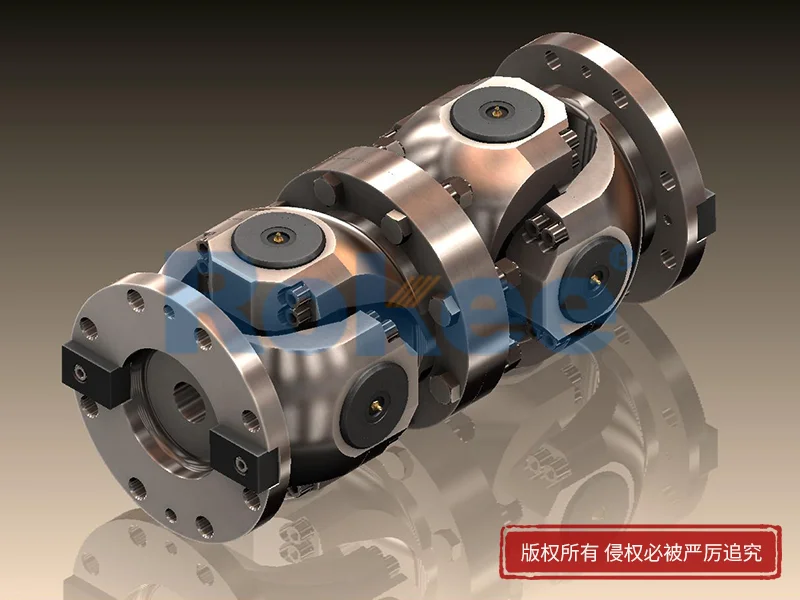
The fundamental structural composition of universal cross joints follows a precise and symmetrical mechanical logic, with every component engineered to balance structural stability, friction reduction, and adaptive mobility. At the center of the entire assembly lies a cross-shaped spindle, universally known as a spider, which features four mutually perpendicular journal ends forming a unified integral structure. This central cross component acts as the force-bearing and transmission core, undertaking alternating torque, shear force, and mechanical impact during continuous operation. Matching with the cross spindle are two fork-shaped yokes, categorized as driving and driven yokes according to power input and output directions. The four journal ends of the cross spindle are inserted into the inner cavities of the two yokes in a paired and orthogonal manner, forming two sets of mutually perpendicular hinge motion pairs that define the core kinematic characteristics of the joint. To eliminate rigid friction and ensure smooth rotational articulation, precision rolling bearing assemblies are installed between each cross journal and the yoke contact surface. These bearing structures effectively convert sliding friction into rolling friction, drastically reducing operational resistance, mechanical wear, and heat generation while maintaining flexible rotational freedom at the connection joints.
The working principle of universal cross joints is built on the kinematic characteristics of spatial hinge motion and torque conversion, enabling stable power transmission under non-coaxial operating conditions. In conventional rigid transmission systems, any angular deviation between driving and driven shafts will cause transmission jitter, torque loss, or even structural damage due to locked motion. In contrast, the orthogonal hinge structure of the cross joint allows adaptive angular deflection within a certain range during shaft rotation. When the driving shaft rotates continuously with a tilted angle relative to the driven shaft, the cross spindle undergoes synchronous compound motion, including self-rotation around the shaft axis and adaptive swinging along with the yoke deflection. This dual motion compensates for the angular misalignment between the two shafts in real time, ensuring that rotational torque is stably transmitted from the input end to the output end without interruption. Although single universal cross joints produce slight periodic speed fluctuation during angular transmission due to structural kinematic rules, this minor fluctuation can be effectively eliminated through paired symmetric installation of two joints, achieving constant-speed and smooth power transmission for most engineering scenarios. This adaptive compensation capability for spatial misalignment is the core competitive advantage that distinguishes universal cross joints from other rigid and semi-flexible coupling components.
Material selection and manufacturing craftsmanship determine the ultimate service performance, load-bearing capacity, and durability of universal cross joints, as these components always operate under complex alternating stress and dynamic load conditions. High-performance universal cross joints are typically forged from high-strength alloy steel materials that undergo strict thermal treatment processes including quenching and tempering. Forging processing refines the internal metal grain structure, eliminating internal pores and structural defects to endow the cross spindle and yokes with excellent mechanical toughness and fatigue resistance. Subsequent surface strengthening treatments further improve the surface hardness and wear resistance of key contact parts, effectively resisting abrasion, extrusion damage, and surface fatigue peeling caused by long-term high-load operation. The precision machining process is equally critical; all journal surfaces, bearing matching holes, and yoke connection interfaces require high-precision turning, grinding, and finishing to ensure extremely low dimensional tolerance and surface roughness. Precise dimensional accuracy guarantees uniform stress distribution at each hinge point during operation, avoiding local stress concentration and abnormal wear caused by assembly deviation, while also ensuring the coordination precision and flexibility of internal bearing motion.
The comprehensive performance advantages of universal cross joints make them widely adaptable to diverse complex working conditions across multiple industries. First, they possess outstanding structural compactness and space utilization efficiency. Compared with other flexible transmission structures that require large installation space, the integrated cross-yoke hinge structure achieves flexible transmission in a minimal spatial range, making them suitable for equipment with compact internal structures and limited installation space. Second, these joints feature excellent load-bearing performance and impact resistance. The symmetrical force-bearing structure enables uniform dispersion of instantaneous impact load and alternating torque, allowing stable operation under heavy-load, frequent start-stop, and variable-load working conditions. Third, they deliver remarkable environmental adaptability. With sealed structural designs available for most assembled products, the internal moving parts can be effectively isolated from external dust, moisture, and corrosive media, ensuring stable working performance in harsh environments such as high dust, high humidity, and variable temperature. Additionally, universal cross joints support multi-directional angular displacement compensation, adapting to dynamic positional changes of shafts caused by equipment vibration, structural deformation, or mechanical suspension movement during operation, which rigid transmission structures cannot achieve.
The application scenarios of universal cross joints cover almost all fields that require flexible shaft power transmission, with the transportation and mechanical equipment industries being the most extensive application fields. In vehicle transmission systems, universal cross joints serve as core components of transmission shaft assemblies, connecting gearboxes, drive axles, and power output structures. During vehicle driving, the suspension system constantly undergoes telescopic vibration and positional changes with road conditions, leading to real-time angular and positional deviation between the front and rear transmission shafts. The adaptive deflection capability of cross joints perfectly accommodates these dynamic changes, ensuring uninterrupted power output during vehicle acceleration, deceleration, and bumpy road driving. In engineering machinery such as excavators, loaders, and cranes, universal cross joints are applied to power transmission parts of walking mechanisms, hydraulic power output structures, and rotary working devices. These devices often operate under extreme working conditions with large load fluctuations and violent structural vibration, and the high toughness and impact resistance of cross joints ensure the reliability of power transmission.
Beyond traditional transportation and engineering machinery, universal cross joints also play an irreplaceable role in industrial manufacturing equipment, agricultural machinery, and special precision mechanical systems. In automated production lines, many rotary transmission mechanisms need to adapt to small positional deviations generated by equipment operation and mechanical movement, and cross joints ensure the synchronization and stability of transmission motion for automated processing and assembly equipment. In various agricultural machinery including tractors, harvesters, and tillage equipment, field operation environments are complex and harsh with heavy dust and uneven ground, and the good sealing performance and anti-vibration transmission capability of cross joints effectively improve the operational stability and service life of agricultural equipment. In some special mechanical fields such as aerospace auxiliary transmission structures, precision testing equipment, and marine mechanical systems, customized high-precision universal cross joints are adopted to meet the strict requirements of low friction, high stability, and long-life operation under special working conditions.
Like all mechanical moving components, universal cross joints experience performance attenuation and aging wear during long-term operation, with regular maintenance and scientific usage being key to extending their service life and maintaining transmission efficiency. The most common form of wear occurs at the matching positions between the cross journal and bearings. Long-term rolling friction and load impact will cause gradual wear of bearing rollers and journal surfaces, leading to increased internal clearance of the joint, intensified operational vibration, and reduced transmission stability. Insufficient lubrication or deterioration of lubricating grease will accelerate abrasive wear and even cause dry friction scratch damage on contact surfaces. In addition, long-term overload operation will produce fatigue cracks on the surface and inside of the cross spindle, gradually expanding under alternating stress and eventually leading to component fatigue failure. External environmental corrosion and seal aging damage will also cause dust, moisture, and impurities to enter the internal moving gap, triggering abrasive wear and corrosion damage.
Effective daily maintenance and scientific fault prevention can significantly optimize the operating state of universal cross joints and reduce failure rates. Regular lubrication supplementation and grease replacement are the most basic and critical maintenance measures. High-quality special lubricating grease can form a stable lubricating film on friction surfaces, reducing friction resistance and wear while playing a role in heat dissipation, shock absorption, and sealing protection. It is necessary to check the sealing structure integrity regularly; aging, deformed, or damaged sealing components should be replaced in a timely manner to prevent external impurities from invading the internal assembly. During equipment operation, long-term overload use and frequent extreme impact load should be avoided to prevent structural fatigue damage caused by excessive stress. Meanwhile, regular inspection of operational vibration, noise, and transmission smoothness can help timely identify early wear and abnormal clearance changes, realizing early warning and maintenance before minor problems evolve into major failures.
With the continuous advancement of modern mechanical engineering technology, the design and manufacturing level of universal cross joints are also constantly optimized and upgraded. Modern industrial development puts forward higher requirements for mechanical transmission components, including higher precision, longer fatigue life, lower friction loss, and stronger environmental adaptability. In terms of design optimization, structural parameter simulation and kinematic dynamic analysis are adopted to optimize the spatial structure and stress distribution of cross joints, further reducing torque fluctuation and operational vibration. In terms of material innovation, new high-strength wear-resistant alloy materials and composite surface treatment technologies are applied to improve the comprehensive mechanical properties of components, realizing lighter weight while maintaining high load-bearing capacity. In terms of processing technology, intelligent precision machining and automated assembly technologies effectively improve the consistency and dimensional accuracy of products, reducing assembly errors and improving overall operational stability.
As a classic flexible transmission component that has been passed down and iterated for hundreds of years, universal cross joints have never been eliminated by technological progress, but have continuously derived more optimized structural forms and application scenarios with the development of the machinery industry. Their core design logic of using simple spatial hinge structures to solve complex non-coaxial transmission problems embodies the essence of mechanical design simplicity and efficiency. From ancient mechanical gimbal structures to modern industrial standardized components, universal cross joints have always undertaken the important task of connecting dynamic power transmission in mechanical systems. In the future, with the rapid development of intelligent equipment, new energy machinery, and high-end manufacturing industry, universal cross joints will further expand their application boundaries, and their structural optimization, material upgrading, and intelligent maintenance technologies will also continue to make breakthroughs, providing more reliable and efficient basic support for the development of modern mechanical transmission technology.
pu sandwich panel line,pu sandwich panel machine,sandwich panel machine
« Universal Cross Joints » Latest Update Date: Jun 18, 2026
https://www.rokeecoupling.net/tags/universal-cross-joints.html