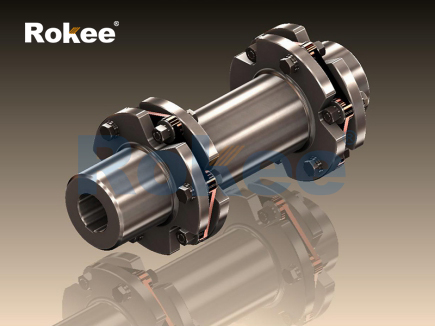
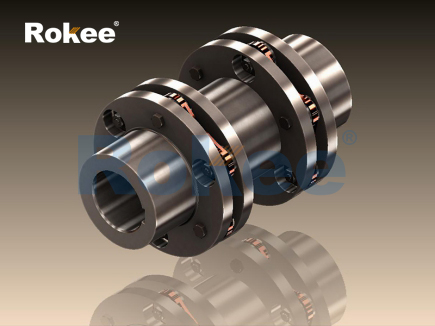
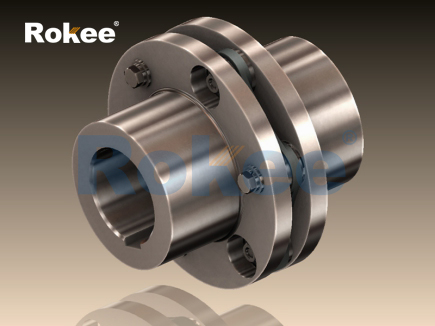
Shim pack couplings represent a pivotal category of metal flexible transmission components widely applied in modern mechanical shaft systems, serving as a critical connecting medium between driving and driven shafts to realize efficient torque transmission while accommodating inevitable shaft misalignments in mechanical operation. Unlike traditional rigid couplings that rely on fully fixed connection structures and elastic couplings that adopt polymer elastic components, shim pack couplings utilize stacked thin metal shim groups as the core flexible force-bearing elements, achieving a perfect balance between torsional rigidity and flexible compensation through the micro elastic deformation of metal shims and coordinated displacement between stacked structures. This unique structural design and working mechanism enable the coupling to maintain stable and efficient power transmission under high-speed, high-load, and harsh environmental conditions, making it an indispensable basic component in precision mechanical transmission systems.

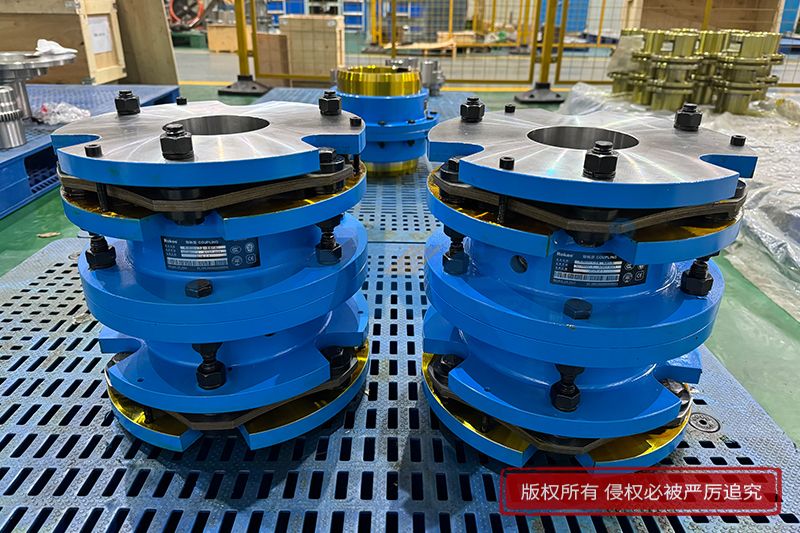
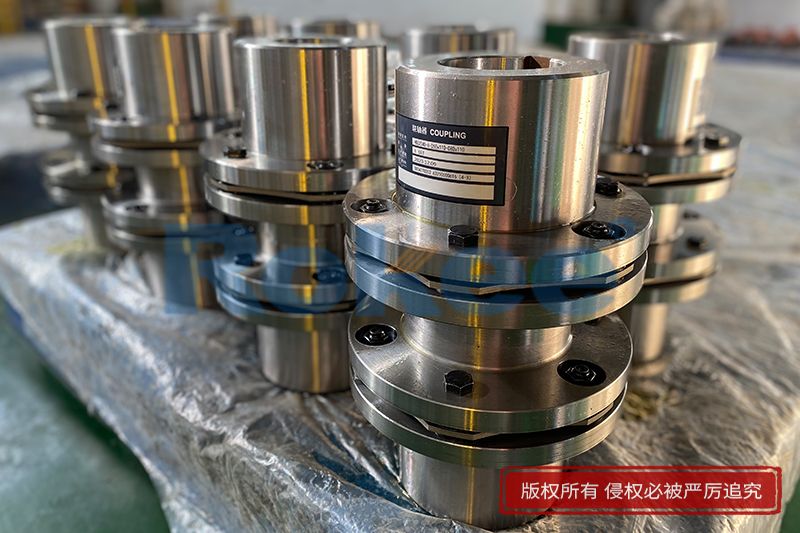
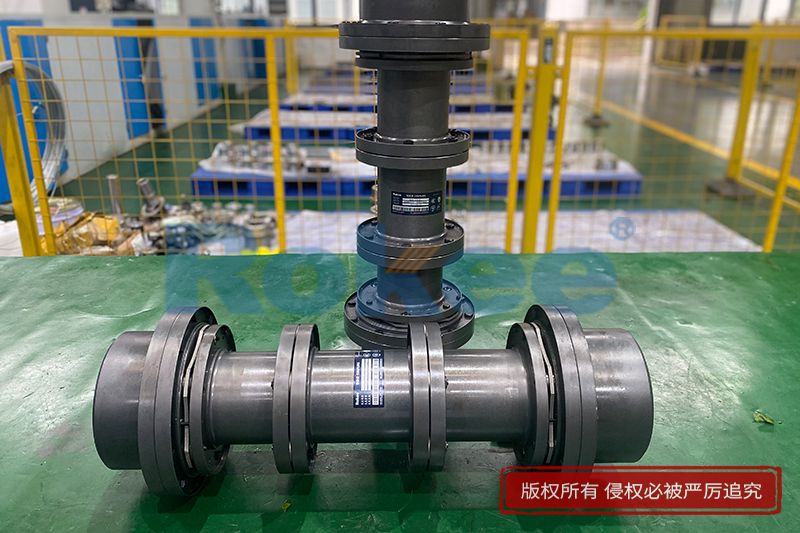
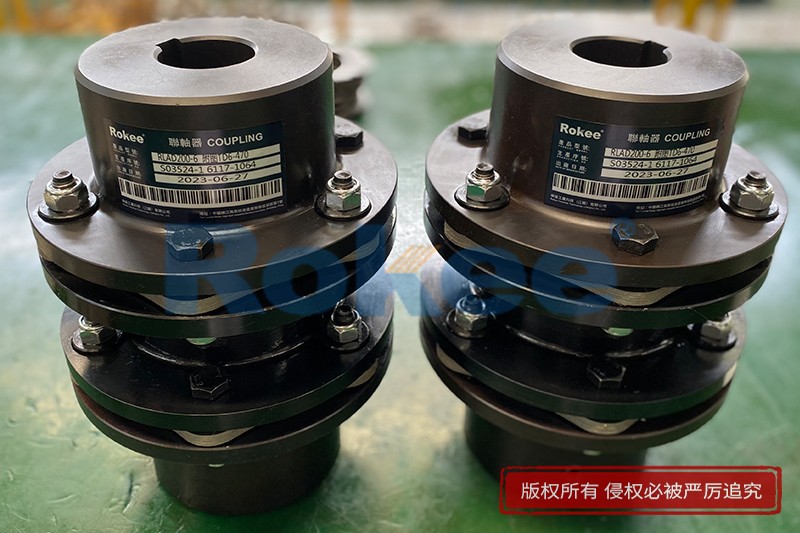
The basic structural composition lays the foundation for the unique working mechanism of shim pack couplings. The overall structure mainly consists of two metal hubs used for shaft connection, multiple groups of stacked metal shim packs, and fastening bolt assemblies. The hubs are processed with high-precision shaft holes to achieve tight matching and fixed connection with the driving shaft and driven shaft respectively, ensuring that rotational torque can be stably input and output. The shim pack, the core functional component of the coupling, is formed by stacking multiple thin metal shims of equal specification and uniform thickness in a regular arrangement. Each shim is designed with reserved bolt holes at fixed positions, which facilitates the penetration and fastening of bolts. The bolt groups penetrate the corresponding hole positions of the two hubs and the intermediate shim pack, integrating the discrete components into a unified whole transmission structure. Different from single elastic diaphragm structures, the stacked design of shim packs disperses stress on a single piece of material, realizes uniform force bearing of multiple shims, and effectively improves the overall load-bearing capacity and deformation coordination performance of the coupling.
The core working logic of shim pack couplings is based on the elastic deformation characteristics of metal shims and the relative micro displacement between stacked shims, which collaboratively completes torque transmission and shaft misalignment compensation. In the standard steady-state operation state where the driving shaft and the driven shaft are completely coaxial, the coupling bears pure torsional load. When the driving shaft rotates, the torque is transmitted to the near-end hub first, and the fastening bolts drive each layer of shims in the shim pack to bear shear force and torsional force synchronously. The rigid constraint between the shims ensures that there is no relative sliding between layers, and the whole shim pack produces uniform micro torsional deformation. Relying on the high torsional rigidity of metal materials, the shim pack efficiently transmits rotational torque to the far-end hub, and then drives the driven shaft to rotate synchronously, realizing lossless and stable power transmission. In this ideal working state, all components of the coupling maintain uniform stress distribution, no redundant deformation and displacement occur, and the transmission efficiency remains at a high level for a long time.
In actual industrial operation, due to machining errors of mechanical equipment, installation deviation, structural vibration during operation, thermal deformation of parts caused by temperature change, and slight foundation settlement, absolute coaxiality between the driving shaft and the driven shaft cannot be maintained, and different types of misalignment deviations will inevitably occur. Common shaft misalignment forms include axial displacement, angular deviation, and parallel offset, as well as composite misalignment formed by the superposition of multiple deviations. The working advantage of shim pack couplings is that they can passively adapt to these misalignment states through the flexible deformation of the shim pack without generating additional constraint stress between shafts, nor causing severe vibration and wear of transmission components.
When axial misalignment occurs between the two shafts, the distance between the driving hub and the driven hub changes slightly along the axial direction. At this time, the metal shims in the shim pack will produce uniform tensile or compressive elastic deformation along the axial direction. The stacked structure of multiple shims can disperse the axial deformation on each layer of shims, avoiding excessive deformation and stress concentration of a single material. This mild axial elastic deformation does not affect the overall torsional transmission performance of the coupling, but can effectively offset the axial position deviation between shafts, eliminate the axial extrusion force and tensile force between the driving and driven shafts, and protect the shaft system and matching bearings from additional axial load damage.
In the case of angular misalignment where the two shafts form a tiny included angle, the deformation state of the shim pack presents regular differential displacement characteristics. The two ends of the shim pack are fixed on the two deviated hubs respectively, so the shims at different positions of the shim pack will produce asymmetric bending and torsional deformation. The shims on the side of the angle opening are slightly stretched, while the shims on the opposite side are appropriately compressed. The coordinated elastic deformation of all shim layers adapts to the angular deflection of the shaft system. During continuous rotation, this periodic micro deformation is evenly distributed in the shim pack, without generating alternating stress that exceeds the material tolerance range. This working mode enables the coupling to maintain continuous and stable torque transmission under angular deviation conditions, and effectively suppresses the vibration and impact caused by shaft angle offset in the transmission process.
For parallel offset misalignment between shafts, the shim pack realizes deviation compensation through the comprehensive effect of in-plane shear deformation and layered micro displacement. The parallel displacement of the two hubs will cause the relative position offset of the bolt holes at the two ends of the shim pack. Each layer of shim produces small shear deformation in the plane, and the tiny gaps between stacked shims allow slight relative sliding between layers. The superposition of these micro deformations and displacements perfectly offsets the parallel offset of the shaft system. Compared with traditional couplings that rely on single-point deformation compensation, the multi-layer shim structure distributes the shear stress and displacement deviation to the entire shim pack, significantly reducing the fatigue loss of single components and greatly extending the stable service cycle of the coupling.
The excellent comprehensive performance of shim pack couplings in operation stems from the unique mechanical characteristics formed by their working principles. First of all, the metal shim material has high inherent rigidity, so the coupling maintains extremely high torsional rigidity during torque transmission, and will not produce large torsional deformation and angle lag. This characteristic ensures that the coupling can realize synchronous and accurate transmission of rotational motion, which is particularly suitable for precision transmission scenarios that require strict speed synchronization and position accuracy. At the same time, the directional flexible deformation capability of the shim pack endows the coupling with good displacement compensation performance in non-torsional directions, realizing the organic combination of rigid torque transmission and flexible deviation compensation, which cannot be achieved by rigid couplings and ordinary rubber elastic couplings.
Secondly, the working mode of relying on metal elastic deformation for power transmission and deviation compensation makes the shim pack coupling completely free of lubrication maintenance during the whole service life. Different from gear couplings and chain couplings that rely on meshing friction for transmission and need regular lubrication and anti-wear maintenance, there is no mutual friction and wear failure between the core components of shim pack couplings. All functional realizations are completed by reversible elastic deformation of metal materials. After the shaft misalignment disappears or returns to the normal state, the deformed shims can automatically recover to their original flat state without permanent deformation, which ensures the long-term stability and maintenance-free performance of the coupling.
In terms of dynamic operation performance, the working principle of shim pack couplings also gives them excellent vibration damping and impact resistance. In the process of mechanical start-stop, load mutation and high-speed operation, the micro elastic deformation of the shim pack can absorb and buffer the instantaneous impact energy and vibration energy generated by the shaft system. The stacked multi-layer structure can disperse and consume vibration energy layer by layer, avoid the resonance phenomenon of the transmission shaft system, reduce the vibration amplitude and noise of mechanical operation, and improve the overall running stability of the equipment. This dynamic buffering performance effectively protects key mechanical components such as motors, reducers and actuators from impact damage caused by load fluctuation.
The stress distribution law in the working process further explains the high reliability of shim pack couplings. When the coupling is working, the torque is uniformly transmitted through each bolt group and each layer of shims, and the stress is evenly distributed on the whole shim pack plane without local stress concentration. The edge of the shim is processed with smooth transition structure, which avoids stress concentration caused by sharp corners during deformation. Under the action of cyclic load generated by continuous rotation, the alternating stress borne by the shim material is always controlled within the fatigue tolerance range of the metal material, so fatigue cracks and structural damage are not easy to occur. Even under long-term high-speed and high-load cyclic operation, the coupling can maintain stable mechanical performance and avoid sudden failure.
The working principle also determines the excellent environmental adaptability of shim pack couplings. Since the core functional components are all metal structures and rely on physical elastic deformation to work, they are not affected by temperature change, corrosive medium and aging factors that easily fail polymer materials. In high-temperature working environments, metal shims can still maintain stable elastic deformation performance and torsional rigidity, without softening, deformation failure or performance attenuation like rubber and plastic elastic components. In low-temperature and corrosive working conditions, the metal structure can resist environmental erosion and maintain stable structural and mechanical properties, ensuring normal operation of the transmission system in harsh industrial environments.
In practical transmission work, the coordination of multiple working mechanisms ensures the efficient and reliable operation of the coupling. When the equipment starts up, the shim pack produces slight flexible deformation to buffer the starting torque impact, avoiding rigid impact between the driving and driven shafts. During steady operation, the high rigidity of the shim pack ensures accurate torque and speed transmission. When shaft misalignment occurs due to equipment operation changes, the flexible deformation of the shim pack automatically compensates for various displacement deviations, eliminating additional alternating load and constraint stress of the shaft system. When the equipment stops running, the elastic deformation of the shim pack recovers automatically, and the whole structure returns to the initial stable state. This cyclic and reversible working process makes the coupling adapt to the continuous and variable working state of industrial equipment.
Compared with other types of flexible couplings, the working mechanism of shim pack couplings has obvious inherent advantages. Spring couplings and sleeve couplings have limited compensation range and poor high-speed stability, and are prone to wear and loose connection. Rubber elastic couplings have poor high-temperature resistance and aging resistance, and are easy to deform and fail under long-term load. Gear couplings have complex structures, high processing requirements, and need regular lubrication maintenance, with large operation noise. In contrast, shim pack couplings rely on metal elastic deformation and stacked composite structure to work, with simple and reliable working principle, compact and reasonable structural layout, no wear and no maintenance, and can balance transmission accuracy, compensation performance and service life in an all-round way, which is why they are widely used in high-end precision transmission fields.
In summary, the core working principle of shim pack couplings takes the stacked metal shim pack as the functional carrier, realizes efficient and rigid torque transmission through the synchronous torsional deformation of multi-layer shims, and achieves automatic compensation of axial, angular and parallel misalignment of shafts through the coordinated elastic bending, stretching and shearing deformation of shims. The organic combination of rigid transmission and flexible compensation enables the coupling to solve the common shaft misalignment problem in mechanical transmission, eliminate additional mechanical stress and vibration, and ensure the long-term stable, efficient and safe operation of the mechanical shaft system. The unique working mechanism also endows the coupling with the characteristics of high precision, high rigidity, fatigue resistance, maintenance-free and strong environmental adaptability, making it a core flexible transmission component suitable for various high-precision, high-speed and harsh working condition scenarios, and providing reliable basic guarantee for the stable operation of modern mechanical equipment.
- Tags:
- Shim Pack Couplings ,
- sandwich panel line ,
- sandwich panel machine
- pu sandwich panel machine
« Working Principle of Shim Pack Couplings » Latest Update Date: Jun 3, 2026
https://www.rokeecoupling.net/blog/working-principle-of-shim-pack-couplings.html