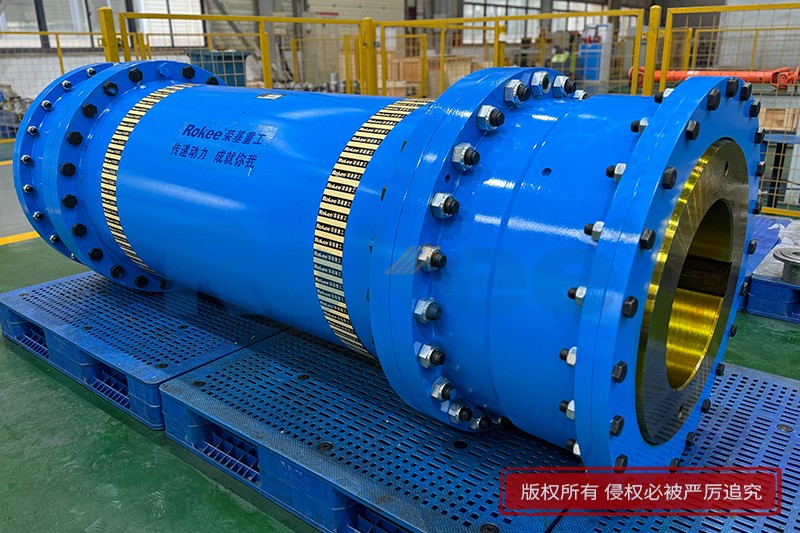
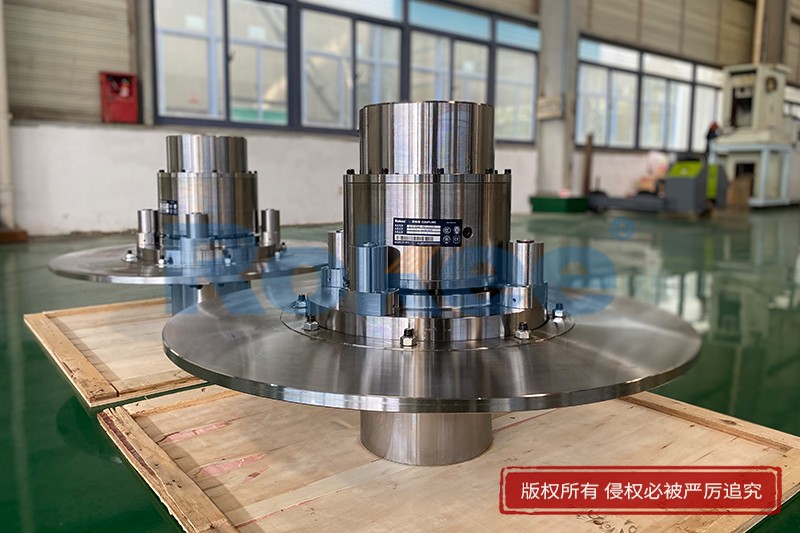
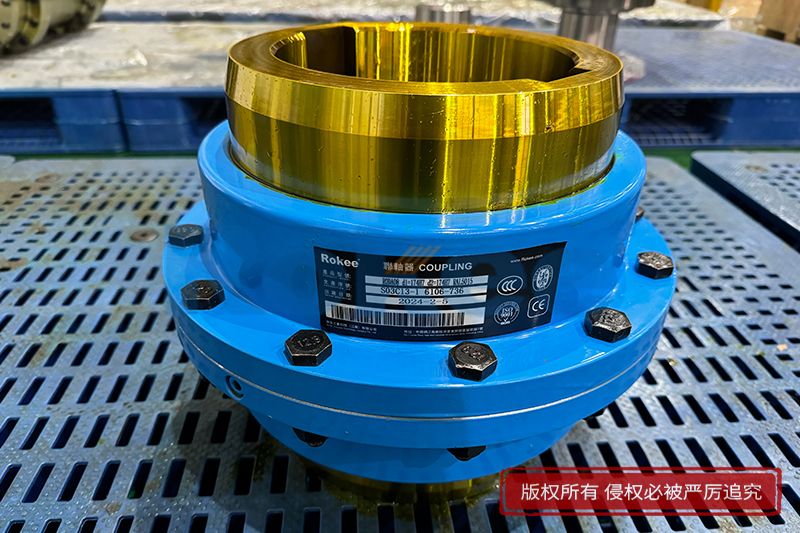
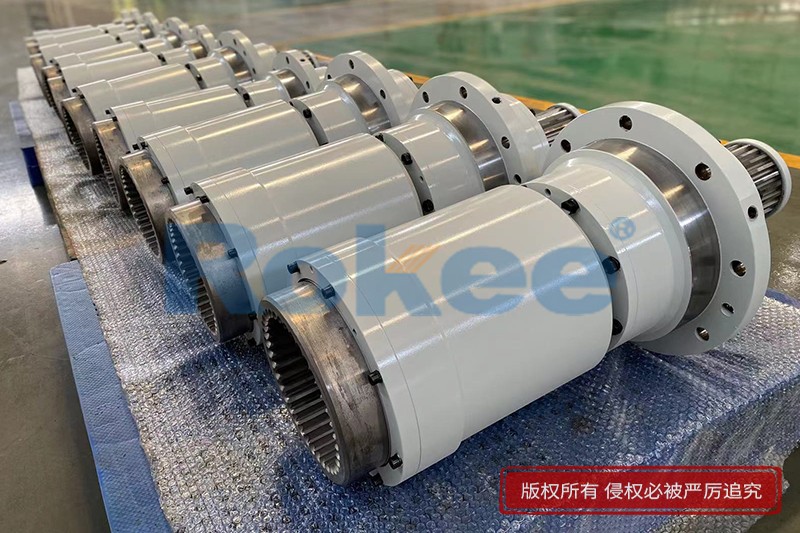
Toothed couplings stand as one of the most robust and widely applied mechanical transmission components in modern industrial machinery, serving the fundamental purpose of connecting two rotating shafts to transmit torque and rotational motion between adjacent mechanical units. Unlike flexible couplings that rely on elastic polymer components or rigid couplings with fully fixed connection structures, toothed couplings achieve power transmission through precise meshing of internal and external gear teeth, striking a unique balance between structural rigidity and moderate deformation adaptability. This distinctive mechanical property enables the component to withstand heavy load conditions while tolerating certain degrees of shaft misalignment, making it indispensable in heavy-duty transmission systems such as industrial rotating machinery, power transmission equipment, and large-scale conveying devices. The inherent mechanical logic behind its stable operation, efficient power transmission, and misalignment compensation originates from its elaborate structural design and scientific force transmission mechanism, which requires systematic analysis from structural composition, torque transmission process, misalignment compensation principle, friction and wear mechanism, as well as auxiliary working conditions.
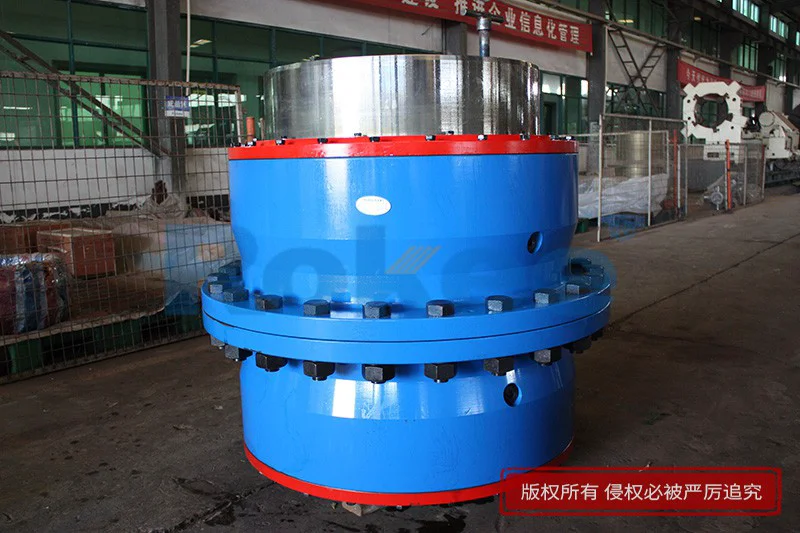
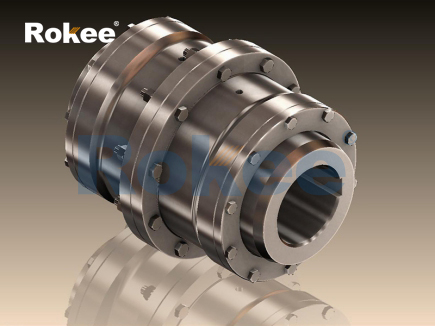
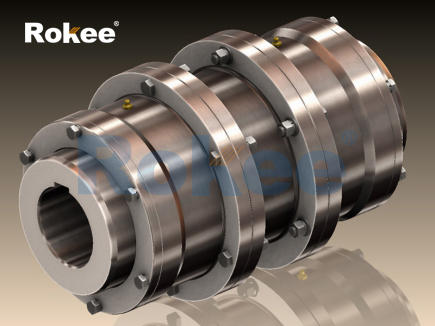
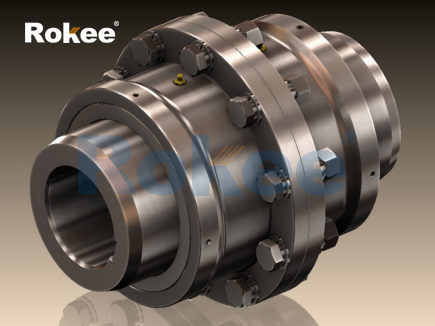
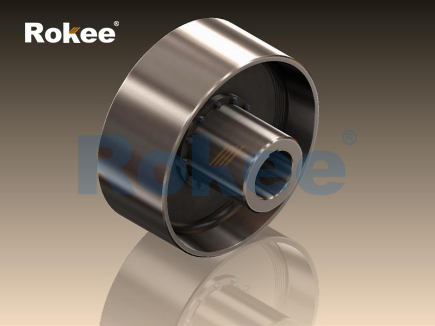
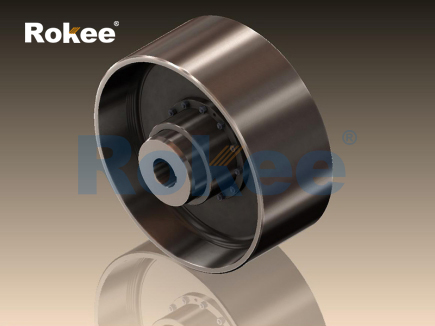
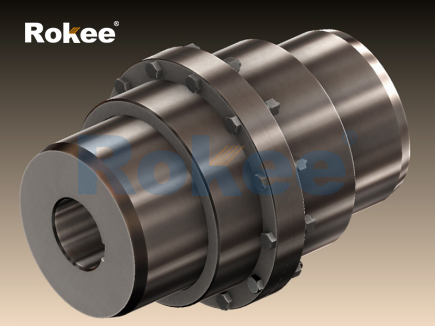
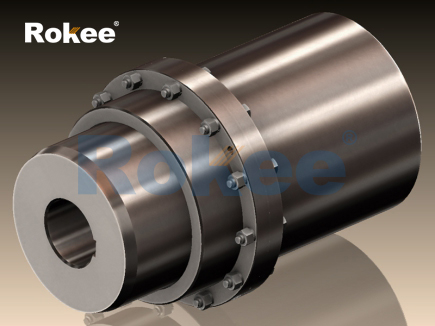
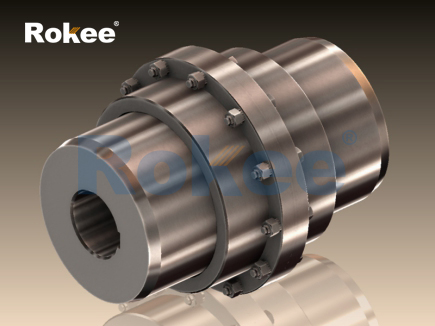
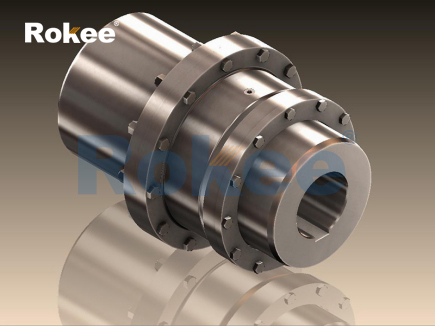
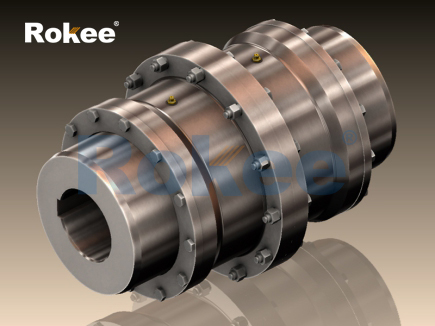
The basic structural composition lays a solid foundation for the normal operation of toothed couplings, and all functional parts cooperate closely to complete continuous power transmission. A standard toothed coupling is mainly composed of two half-couplings with external teeth, an inner gear ring, sealing components and lubrication auxiliary structures. The two half-couplings with external teeth are respectively installed on the driving shaft and the driven shaft, and the outer edge of each half-coupling is processed with evenly distributed external gear teeth with smooth and precise tooth profiles. The inner gear ring is a hollow annular component with complete internal gear teeth on the inner wall, and the number of internal teeth matches the number of external teeth on the half-couplings to ensure complete meshing. In most optimized structural designs, the external teeth adopt a crown-shaped tooth profile with curved tooth surface, which is subtly different from the straight tooth profile of traditional standard gears. This curved design is not a redundant structural modification but a key optimization to improve the misalignment compensation ability of the coupling. Sealing components are usually installed at the assembly gap between the inner gear ring and the half-couplings, which are made of wear-resistant and oil-resistant elastic materials. These sealing structures tightly cover the internal meshing area to prevent external dust, metal debris and humid impurities from invading the meshing gap, and also avoid the leakage of internal lubricating media. The lubrication auxiliary structures include reserved lubrication holes and internal flow guide grooves, which provide stable lubrication conditions for the gear meshing surface during long-term operation. All parts are made of high-strength metal materials with good hardness and toughness, so as to resist shear force, extrusion force and alternating load generated during high-intensity operation.
The core working logic of toothed couplings lies in the torque transmission realized by the meshing contact between internal and external teeth. When the driving shaft starts to rotate under the drive of power equipment, it drives the connected external tooth half-coupling to perform synchronous rotational motion. The external gear teeth on the half-coupling continuously contact and push the internal gear teeth on the inner gear ring, and the contact force generated by the meshing surface converts the rotational power of the driving shaft into the rotational torque of the inner gear ring. Subsequently, the inner gear ring transmits the torque to the other half-coupling through the meshing action with the opposite external teeth, and finally drives the driven shaft to rotate steadily, realizing the synchronous operation of the two shafts. In the whole torque transmission process, multiple pairs of gear teeth participate in meshing at the same time, and the load is evenly distributed on each contact tooth surface. This multi-tooth meshing mode effectively reduces the pressure borne by a single gear tooth, avoids local stress concentration, and significantly improves the overall load-bearing capacity and transmission stability of the coupling. The tooth profile of the gears adopts an involute structure in most cases. The smooth curved contour of the involute enables the gear teeth to achieve gradual contact and separation during rotation, eliminating sudden impact force in the meshing process. This gentle contact mode ensures that the torque transmission remains continuous and stable without obvious vibration and jitter, even under high-speed rotation conditions. In addition, the close fitting between internal and external teeth minimizes the clearance in the transmission structure, resulting in extremely low transmission clearance and high transmission efficiency, which can effectively reduce power energy loss in the torque conversion process.
One of the most prominent functional characteristics of toothed couplings is their excellent misalignment compensation capability, which is also an important reason why they are superior to ordinary rigid couplings in complex industrial working conditions. In the actual installation and operation of mechanical equipment, it is difficult to achieve absolute coaxial alignment of two connected shafts due to manual installation errors, mechanical processing deviations, structural deformation caused by long-term load operation, and thermal expansion of metal materials after heating. Tiny deviations will inevitably occur between the driving shaft and the driven shaft, including axial displacement, radial displacement and angular deflection. Without effective compensation structure, these misalignments will generate additional alternating stress on the shaft body and connecting parts, causing severe abrasion of mechanical parts, increased operating vibration, and even fatigue fracture of shafts in severe cases. The crown-shaped external tooth design of toothed couplings perfectly solves this problem. The curved tooth surface enables the external teeth to produce slight sliding and angular deflection relative to the internal teeth within a certain spatial range. When axial misalignment occurs between the two shafts, the gear teeth can slide along the axial direction of the tooth width to adapt to the axial position change of the shafts; when radial offset appears, the meshing gap between internal and external teeth can buffer the radial displacement through the flexible contact of the curved tooth surface; when angular deflection exists, the arc contour of the crown teeth allows the contact angle between the meshing teeth to change adaptively, ensuring that multiple gear teeth can still maintain uniform contact state without local extrusion and friction. This passive adaptive compensation mechanism does not require additional control components, and can automatically sense and adapt to shaft position deviations during operation, effectively eliminating additional stress caused by misalignment and protecting the stability of the transmission system.
Friction and wear are inevitable physical phenomena during the operation of toothed couplings, and analyzing their internal friction mechanism is essential to understand the service life and performance attenuation law of the equipment. During the rotation of the coupling, relative sliding always exists between the contact surfaces of internal and external teeth. Especially when the coupling compensates for shaft misalignment, the sliding amplitude between meshing teeth increases significantly. This mechanical sliding friction will cause subtle metal abrasion on the tooth surface, and fine metal wear debris will be generated after long-term operation. In addition, the meshing teeth will bear periodic extrusion force with the rotation cycle, and the repeated extrusion and separation will produce contact fatigue on the local area of the tooth surface, resulting in tiny fatigue cracks on the metal surface over time. Under the combined action of sliding friction and contact fatigue, the tooth surface will gradually become rough, and the meshing gap will increase, which will lead to increased transmission vibration and reduced torque transmission accuracy. Temperature rise is another important physical change in the friction process. The friction work between tooth surfaces is continuously converted into heat energy, which accumulates in the closed internal space of the coupling. Excessively high temperature will reduce the surface hardness of metal materials, accelerate the aging of sealing components, and even deteriorate the physical properties of lubricating media. Although friction is an unavoidable negative factor, the structural design of toothed couplings effectively controls the friction loss within a reasonable range. The smooth machining precision of the tooth surface reduces the initial friction coefficient, and the multi-tooth uniform meshing disperses friction heat, avoiding local overheating of a single tooth.
Lubrication and sealing systems are indispensable auxiliary working structures for toothed couplings, which directly determine the operating stability and service life of the equipment. The core function of the lubricating medium is to form a continuous oil film on the meshing surface of internal and external teeth. The oil film can isolate direct metal contact between gear teeth, reduce sliding friction resistance, and lower the wear rate of the tooth surface. At the same time, the flowing lubricating medium can take away the friction heat generated in the meshing area, realize internal heat dissipation, and maintain the stable operating temperature of the coupling. In addition, the lubricant can wrap the fine metal wear debris generated by friction to avoid secondary scratching of the tooth surface caused by debris accumulation. Different types of lubricating media can be selected according to operating conditions. High-viscosity lubricating grease is suitable for low-speed and heavy-load working environments, while low-viscosity lubricating oil is more applicable to high-speed rotating equipment to ensure fluid circulation and heat dissipation. The sealing system cooperates with the lubrication structure to build a closed internal operating environment. High-elasticity sealing parts can fill the assembly gaps between the inner gear ring and the half-couplings to prevent lubricant leakage caused by centrifugal force during high-speed rotation. Meanwhile, external dust, moisture and corrosive media are isolated outside the coupling to avoid oxidation corrosion and dirt accumulation on the internal gear teeth. Once the sealing structure fails, the lubricant will rapidly drain, and the exposed tooth surface will suffer from dry friction and oxidative rust, which will lead to sharp performance degradation of the coupling in a short time.
In terms of dynamic operating characteristics, toothed couplings have obvious performance advantages in heavy-load and high-power transmission scenarios. Compared with elastic couplings, they have higher structural rigidity and torque density, and can bear instantaneous impact load and alternating load without obvious structural deformation. Compared with ordinary rigid couplings, their misalignment compensation ability avoids the rigid constraint of shaft position, reducing the failure rate of shaft fatigue damage. In the actual rotating process, the symmetrical gear distribution structure makes the centrifugal force generated by each part evenly distributed, with low rotational inertia and good dynamic balance performance. This characteristic enables the coupling to maintain stable operation under high-speed rotation without severe vibration and noise. However, the operating performance of toothed couplings is also restricted by objective conditions. Excessively large shaft misalignment will exceed the adaptive deformation range of crown teeth, resulting in excessive local stress on gear teeth and accelerated wear. Long-term operation under ultra-high temperature environment will damage the stability of lubricating oil film and reduce the compensation flexibility of sealing parts. In addition, the metal meshing structure cannot absorb high-frequency vibration and impact energy like elastic materials, so the vibration damping performance of toothed couplings is relatively weak, and additional vibration reduction structures need to be equipped in equipment with strict vibration control requirements.
The working principle of toothed couplings reflects the mechanical design philosophy of combining rigidity and flexibility, and its simple and efficient transmission logic makes it widely used in various industrial fields. From heavy metallurgical rolling equipment and mining conveying machinery to large water pump units and wind power transmission devices, toothed couplings undertake the core task of power transmission. In different application scenarios, their basic working principles remain unchanged, but the structural parameters such as gear modulus, tooth width and outer diameter will be optimized according to load intensity and rotation speed to adapt to diverse working conditions. With the continuous progress of mechanical processing technology, the machining precision of gear tooth surfaces is constantly improved, and the optimization of tooth profile structure further enhances the misalignment compensation ability and wear resistance of couplings. In the future industrial transmission system, toothed couplings will still rely on their mature mechanical principles, stable transmission performance and low maintenance cost to occupy an important position in heavy-duty mechanical connection components. In conclusion, the excellent comprehensive performance of toothed couplings originates from the organic combination of gear meshing transmission, adaptive misalignment compensation, friction control and closed lubrication protection. An in-depth understanding of its working principle is not only conducive to mastering the operation law of mechanical transmission components, but also provides theoretical support for the reasonable selection, installation and daily maintenance of couplings in industrial production, so as to ensure the long-term stable and efficient operation of mechanical equipment.
- Tags:
- Toothed Couplings ,
- sandwich panel line ,
- sandwich panel machine
- pu sandwich panel machine
« Working Principle of Toothed Couplings » Latest Update Date: May 14, 2026
https://www.rokeecoupling.net/blog/working-principle-of-toothed-couplings.html