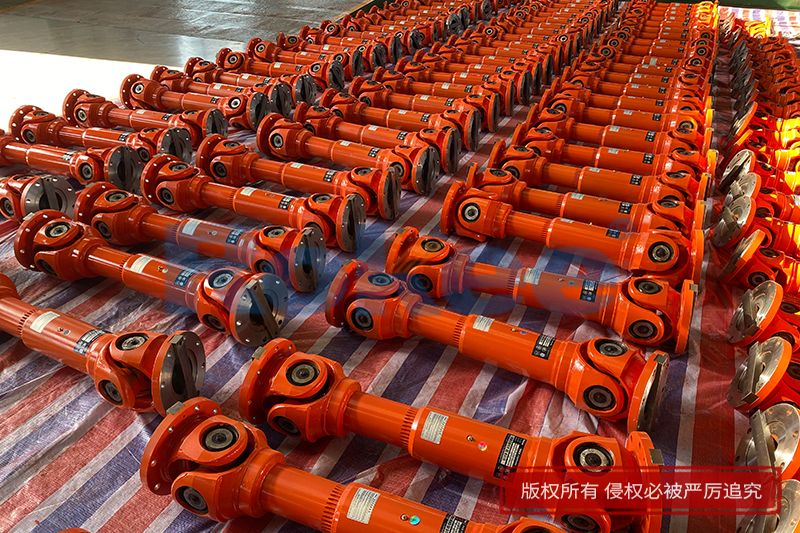
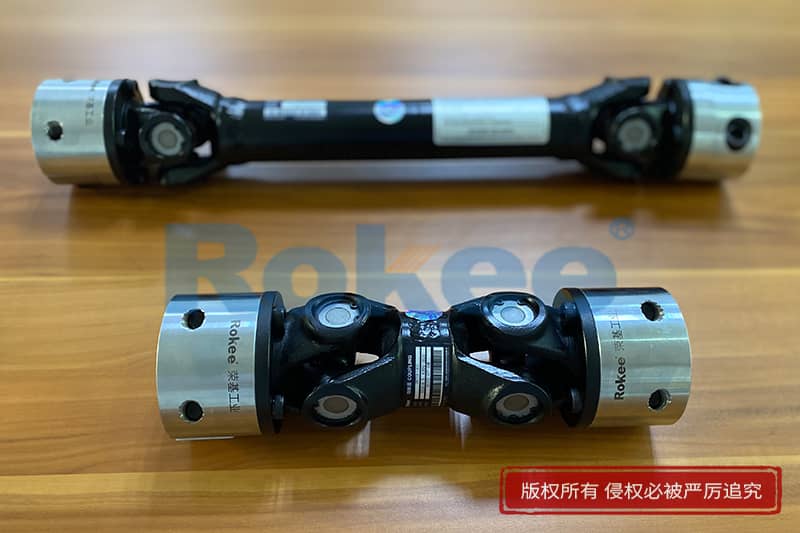
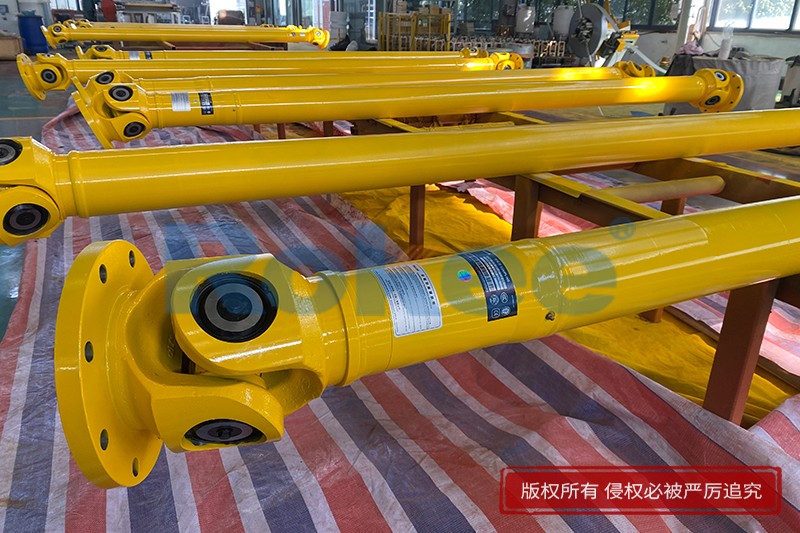
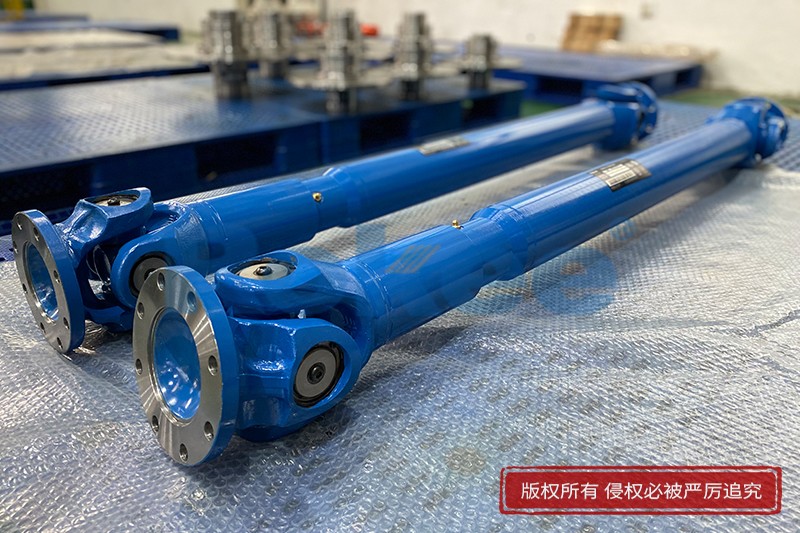
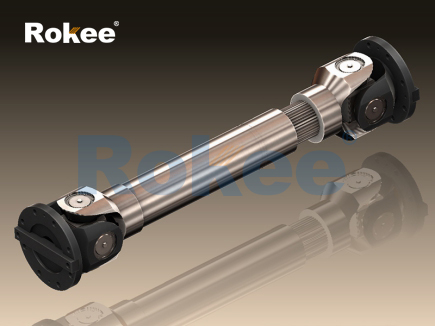
Universal joint couplings serve as indispensable mechanical transmission components in modern industrial systems, widely applied in mechanical transmission structures that require angular deflection, axial displacement, and intersecting shaft connection. Their core function lies in stably transmitting torque and rotational power between two shafts with non-coaxial alignment, effectively compensating for installation deviations, operational vibration displacement, and structural position changes generated during equipment operation. In industrial production, mechanical transmission stability directly affects the overall operating efficiency, operational safety, and service life of complete equipment. Therefore, standardized, targeted, and rigorous procurement of universal joint couplings is a key link to ensure the long-term stable operation of mechanical systems, avoid frequent equipment failures, and reduce subsequent operational and maintenance costs. The procurement process of universal joint couplings is not a simple component purchasing behavior but a systematic work integrating application scenario analysis, parameter matching verification, structural performance evaluation, and follow-up applicability assessment, which requires comprehensive consideration of multiple industrial factors to realize the optimal matching between components and equipment operating conditions.

Before launching the formal procurement work, it is essential to conduct in-depth sorting and analysis of the actual application scenarios and operating parameters of universal couplings, which is the fundamental premise to avoid model mismatch and performance redundancy or insufficiency. Different industrial scenarios put forward completely different requirements for the structural type, load capacity, and operational adaptability of universal joint couplings. In conventional light-duty mechanical transmission scenarios such as small automated production equipment, auxiliary transmission mechanisms, and general mechanical debugging devices, the operating load is relatively stable, the rotational speed fluctuation range is small, and the angular deflection and axial displacement generated during operation are limited. In such scenarios, universal joint couplings with conventional structural design and moderate transmission performance can meet the operational demands. In heavy-duty industrial scenarios including engineering machinery, mining equipment, large transmission benches, and industrial power transmission devices, the equipment bears frequent impact loads, alternating loads, and long-term continuous operating states, accompanied by large-angle deflection and frequent shaft position deviation changes. This requires universal joint couplings to have stronger torque bearing capacity, impact resistance, and structural stability to adapt to harsh and changeable operating conditions.
Meanwhile, the operating environment is a crucial factor that cannot be ignored in procurement decision-making. In conventional indoor production environments with stable temperature, clean air, and no corrosive medium interference, the basic structural and material performance of universal joint couplings can maintain long-term stability. However, in humid, dusty, high-temperature, or chemical corrosive working environments, ordinary coupling structures are prone to problems such as surface oxidation, internal component abrasion, seal failure, and structural deformation during long-term operation, which will lead to reduced transmission accuracy, increased operating noise, and even sudden transmission failure. For scenarios with high humidity and dust pollution, priority should be given to universal joint couplings with optimized sealing structures and dust-proof designs to prevent external impurities from entering the internal moving parts and avoid accelerated wear of cross shafts, bearings and core transmission structures. For high-temperature operating environments, it is necessary to select component materials with excellent high-temperature resistance and thermal stability to ensure that the structural hardness, matching accuracy and transmission efficiency will not be significantly reduced under long-term high-temperature working conditions. For environments with chemical corrosion risks, materials with strong corrosion resistance and surface anti-corrosion treatment processes are required to delay material aging and structural damage.
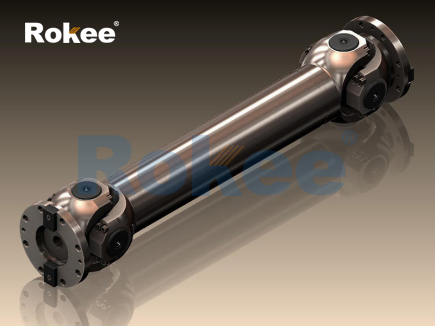
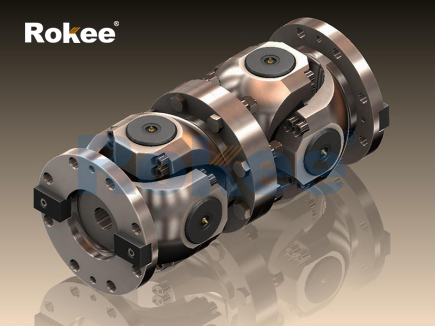
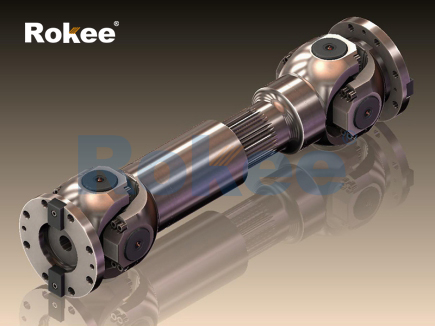
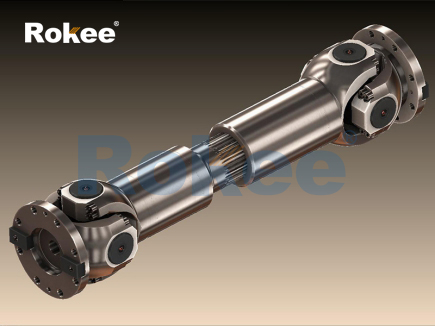
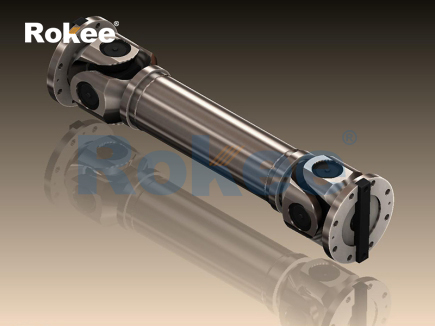
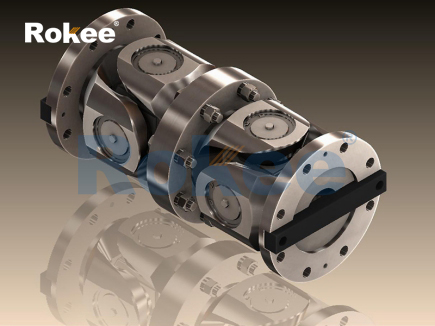
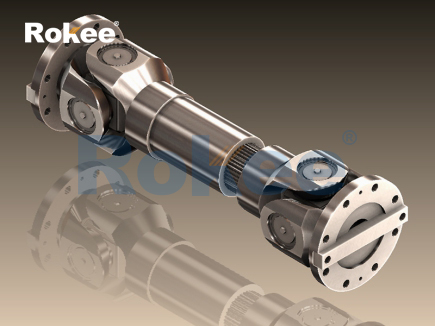
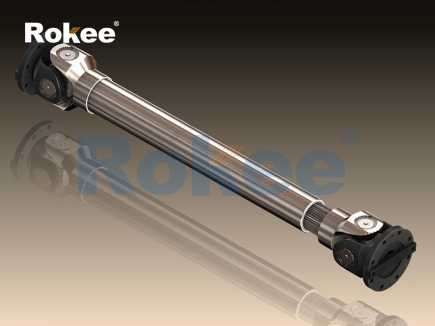
Structural type selection is the core part of universal joint coupling procurement, and reasonable structural matching directly determines the operational reliability and service life of components. Universal joint couplings are mainly divided into single-section and double-section structural forms, with distinct application advantages and applicable scenarios. Single-section universal joint couplings feature a compact overall structure and small installation space occupation, which are suitable for working conditions with small angular deflection and short-distance shaft transmission. They can realize flexible torque transmission within a limited deflection range and are widely used in small and medium-sized mechanical transmission structures with compact installation space. Double-section universal joint couplings adopt a double-joint combined structure, which can compensate for larger angular deviation and axial displacement, effectively solving the transmission problem of long-distance intersecting shafts and multi-directional deflection shafts. This structural design greatly improves the adaptability of the coupling to installation errors and operational displacement, and is more suitable for large mechanical equipment with large shaft position deviation and complex transmission trajectories. In addition, telescopic structural universal joint couplings are designed for working conditions with frequent axial position changes of transmission shafts. The telescopic structure can automatically adjust the axial length according to the operating state of the equipment, maintaining stable transmission connection while adapting to the dynamic position change of the shaft system, which is widely used in mobile mechanical equipment and transmission structures with variable shaft spacing.
The internal accessory structure of the coupling also needs targeted screening during procurement. The matching forms of bearings and cross shafts directly affect the operating smoothness and wear resistance of the coupling. Needle bearing structures can reduce friction resistance during operation, adapt to high-speed rotating working conditions, and maintain low-noise and high-efficiency transmission for a long time, making them suitable for high-precision and high-speed mechanical transmission scenarios. Sliding bearing structures have stronger pressure resistance and impact resistance, can bear large instantaneous torque impact, and are more adaptable to heavy-duty and low-speed alternating load working environments. In addition, the integral forging structure of the coupling fork head is far superior to the split bolted structure in terms of structural stability. The integral forming process avoids hidden dangers such as bolt loosening and structural dislocation caused by long-term vibration, effectively improving the overall structural rigidity and operational stability of the coupling, which is a key optimization point that needs to be focused on in the procurement of heavy-duty universal joint couplings.
Material performance is the fundamental guarantee for the service life and operational stability of universal joint couplings, and material selection must be matched with actual working conditions in procurement. Alloy steel materials are widely used in mainstream industrial universal joint couplings due to their high structural hardness, strong toughness and excellent fatigue resistance. After professional heat treatment processes such as quenching and tempering, alloy steel can maintain stable mechanical performance under long-term alternating load and impact load conditions, resisting structural deformation and fatigue damage. For conventional industrial working conditions, alloy steel with mature processing technology and stable performance can meet daily operational needs. For special working environments with high humidity and weak corrosion, alloy steel with surface anti-oxidation and anti-corrosion treatment can effectively delay surface aging and wear. For harsh working conditions with strong chemical corrosion and high hygiene requirements, stainless steel materials need to be selected. Stainless steel has excellent corrosion resistance and oxidation resistance, and will not produce structural deterioration or surface damage due to medium erosion, ensuring long-term stable operation of the coupling in special environments. It is necessary to avoid blindly pursuing high-grade materials in procurement, and realize the balance between component performance and application cost through precise material matching, so as to prevent performance waste caused by excessive configuration or equipment failure risks caused by insufficient material performance.
Parameter matching verification is a key step to ensure the precise adaptation of universal joint couplings and equipment, and all core operating parameters need to be comprehensively verified in the procurement process. Torque bearing capacity is the most core parameter index. The rated torque of the coupling must be higher than the maximum operating torque of the equipment, and a reasonable safety margin needs to be reserved according to the load characteristics. For working conditions with stable static load, a moderate safety margin can be reserved; for working conditions with frequent impact load and peak torque fluctuation, the safety margin needs to be appropriately increased to avoid structural damage caused by instantaneous overload of the coupling. Operating speed is also an important limiting parameter. Different structural and material couplings have different adaptive speed ranges. High-speed rotating scenarios need to select couplings with high machining accuracy and good dynamic balance performance, so as to avoid vibration, resonance and increased wear caused by unbalanced rotation. Low-speed and heavy-duty scenarios focus more on torque stability and structural rigidity, putting forward lower requirements on dynamic balance performance.
In addition, the maximum adaptive deflection angle, axial compensation range, shaft hole matching tolerance and overall installation size of the coupling need to be accurately verified. The maximum deflection angle of the coupling must cover the maximum angular deviation generated during equipment operation. Exceeding the adaptive angle range will lead to reduced transmission efficiency, aggravated component wear and shortened service life. The axial compensation capacity needs to match the axial displacement change of the transmission shaft during equipment operation to ensure that the coupling can always maintain a stable connection state during dynamic position adjustment. The shaft hole machining tolerance directly affects the matching accuracy with the transmission shaft. High-precision tolerance design can ensure high concentricity during operation, reduce rotational wobble and fretting wear, and realize smooth and low-noise power transmission. The overall installation size needs to be matched with the equipment installation space to avoid installation failure or structural interference caused by size mismatch.
Process precision and manufacturing quality determine the comprehensive performance and stability of universal couplings, and procurement needs to focus on evaluating the manufacturing process level of components. High-quality universal joint couplings adopt integral forging and one-time forming processes for key components such as fork heads and cross shafts, with uniform internal material structure, no internal pores and cracks, and stable overall structural performance. The surface of key moving parts is finely machined and polished, with smooth surface and low friction coefficient, which can effectively reduce operating wear and energy consumption. The sealing process of the coupling is also a key evaluation index. Excellent sealing structure can effectively isolate external dust, moisture and impurities, protect internal bearings and lubricating structures, and reduce the frequency of maintenance and replacement. In contrast, couplings with rough manufacturing processes, uneven surface machining and simple sealing structures are prone to early wear, oil leakage and structural looseness in the operation process, which greatly increases the failure rate of mechanical equipment.
Maintainability and operational economy are important auxiliary factors for universal joint coupling procurement decision-making. In industrial production, equipment maintenance efficiency directly affects production continuity. Therefore, priority should be given to structurally optimized couplings with convenient disassembly and assembly in procurement. Such couplings do not need to disassemble a large number of matching equipment during replacement and maintenance, which can greatly shorten equipment downtime and improve production efficiency. Meanwhile, couplings with standardized and generalized accessory parts should be selected as much as possible. The standardized design of internal bearings, sealing rings and other wearing parts can realize rapid replacement, reduce maintenance difficulty and improve the overall service cycle of the coupling. In addition, the lubrication structure design of the coupling needs to be considered. Couplings with independent lubrication ports are convenient for daily grease injection and maintenance, which can keep the internal moving parts in a well-lubricated state for a long time, reduce friction loss, and delay component aging and wear.
Supplier screening and quality inspection management are crucial links to ensure the quality of purchased universal joint couplings. In the procurement process, it is necessary to conduct comprehensive evaluation of suppliers' production capacity, processing technology, quality control system and after-sales service level. Reliable suppliers have standardized production processes and strict quality inspection procedures, which can ensure that the size, performance and process of each batch of products meet the design requirements. Before batch procurement, sample verification and performance testing should be carried out. The appearance, size accuracy, structural integrity and surface machining quality of the samples should be inspected visually and dimensionally. Meanwhile, simulated working condition tests can be carried out according to actual application scenarios to verify the torque stability, deflection adaptability and operating smoothness of the samples. After the formal arrival of the goods, batch sampling inspection must be implemented to eliminate unqualified products with dimensional deviation, structural defects and unqualified machining accuracy, so as to ensure that all purchased components meet the actual equipment operation requirements.
In the whole procurement process, it is also necessary to pay attention to the consistency of product performance and the adaptability of batch supply. Long-term stable industrial production requires consistent quality of purchased components. Therefore, in long-term cooperative procurement, it is necessary to ensure that the structural design, material proportion and processing technology of universal joint couplings supplied in batches remain stable, avoiding performance fluctuation of different batches of products which affects the overall operation consistency of equipment. At the same time, reasonable procurement quantity and inventory planning should be formulated according to equipment operation cycle, component wear cycle and production demand, so as to avoid production shutdown caused by insufficient spare parts reserve or resource waste caused by excessive inventory. Through scientific inventory management and batch procurement planning, the operational cost of mechanical equipment can be effectively optimized while ensuring production stability.
In conclusion, the procurement of universal joint couplings is a systematic and professional work that runs through the whole process of equipment operation and maintenance. It requires procurement personnel to combine actual industrial application scenarios, take operating parameters and environmental conditions as the core basis, comprehensively select structural type, material performance, process precision and maintainability, and complete supplier screening and quality inspection in a standardized manner. Scientific and rigorous procurement management can effectively ensure the stable transmission performance of universal joint couplings, reduce equipment failure rate and maintenance cost, extend the service life of mechanical equipment, and provide solid basic support for the efficient and stable operation of industrial production systems. With the continuous upgrading of industrial mechanical equipment and the increasingly complex operating conditions, the procurement standards and selection requirements of universal joint couplings will be further refined, and only by adhering to targeted and precise procurement principles can we continuously adapt to the diversified and high-standard industrial production demands.
- Tags:
- Universal Joint Couplings ,
- sandwich panel line ,
- sandwich panel machine
- pu sandwich panel machine
« Procurement of Universal Joint Couplings » Latest Update Date: Jul 10, 2026
https://www.rokeecoupling.net/blog/procurement-of-universal-joint-couplings.html