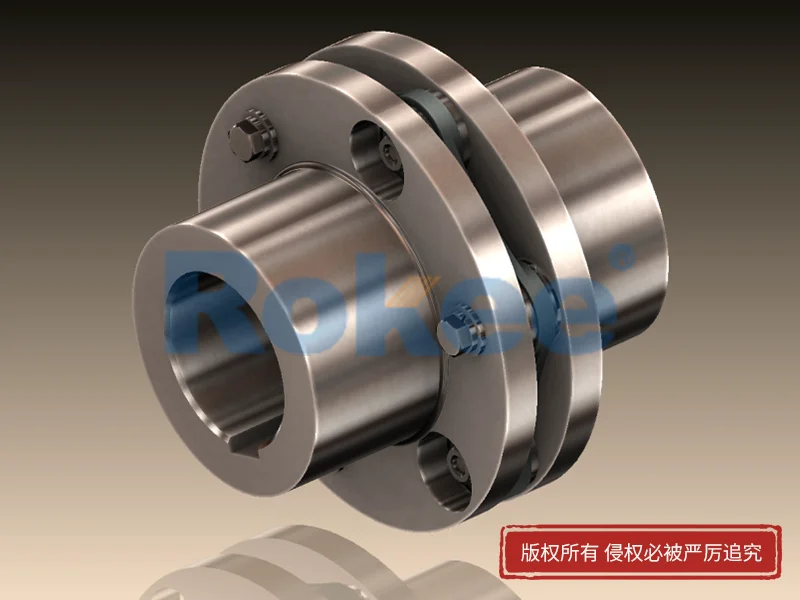
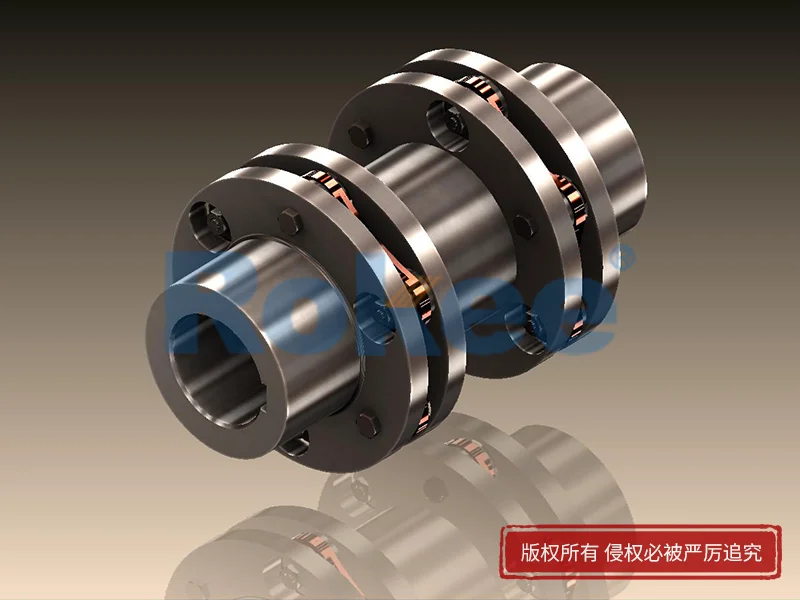
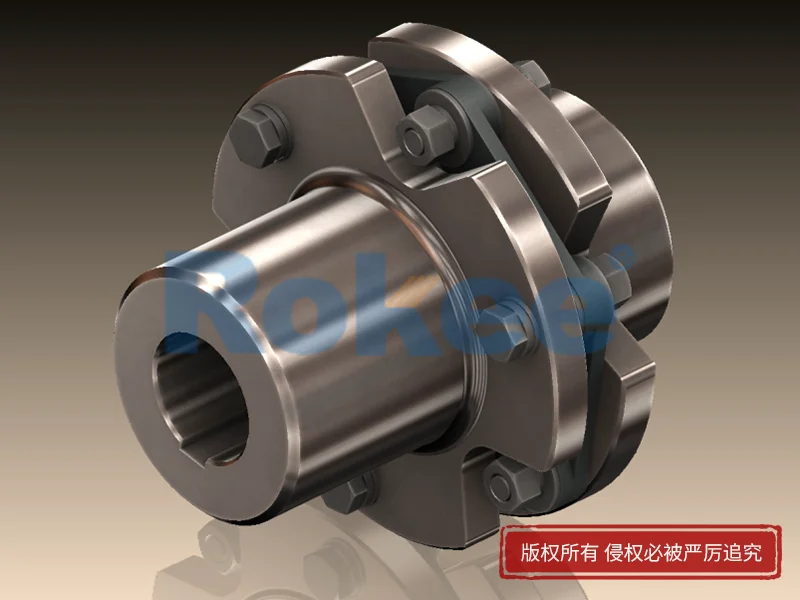
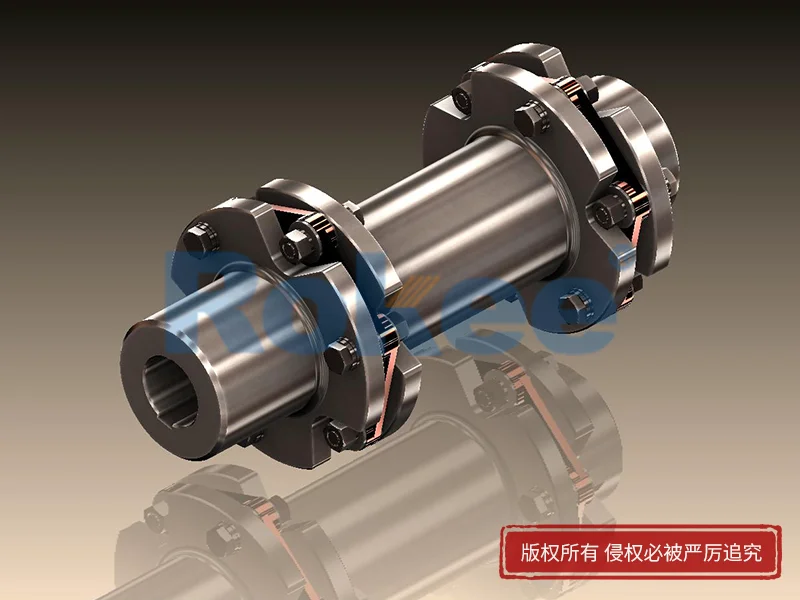
Large Heave-duty Steel Laminae Coupling
Rokee is a well-known Large Heave-duty Steel Laminae Coupling supplier from china, the page show cases of Large Heave-duty Steel Laminae Coupling, provide customized services based on user's drawings, and supporting exports.
In the complex and demanding operational environment of modern heavy industrial transmission systems, the stability and durability of connecting components determine the overall operating efficiency of mechanical equipment. Large heavy-duty steel laminae coupling stands out among numerous transmission connection components by virtue of its unique laminated metal structure and excellent mechanical bearing capacity, becoming an indispensable core part of high-torque and high-load mechanical transmission scenarios. This type of coupling relies on stacked steel laminae as the elastic force-bearing element, combining the high rigidity of metal materials with the flexible deformation characteristics of laminated structures, and can steadily transmit rotational torque while adapting to various minor axis displacements generated during equipment operation. Unlike traditional rigid connecting parts that lack deformation tolerance and common elastic couplings with low bearing strength, large heavy-duty steel laminae coupling achieves a balanced integration of structural firmness and mechanical flexibility, perfectly matching the harsh working conditions of continuous operation, heavy load bearing and complex vibration interference in heavy industry.
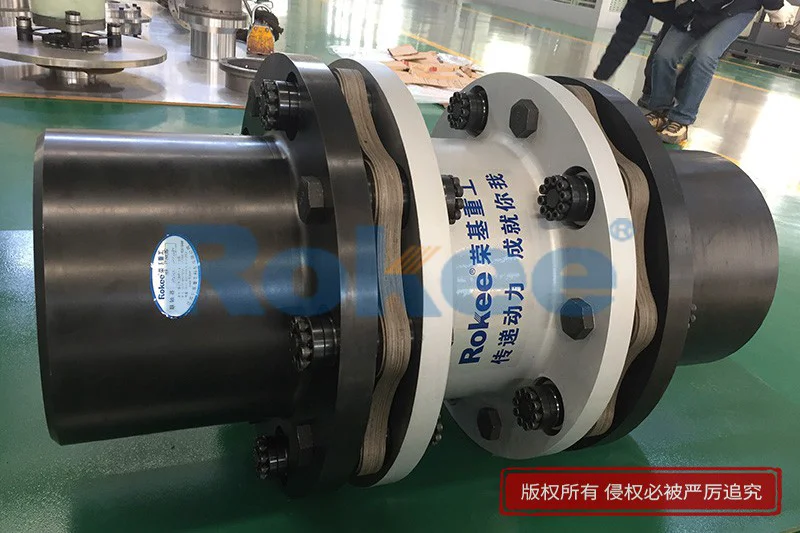
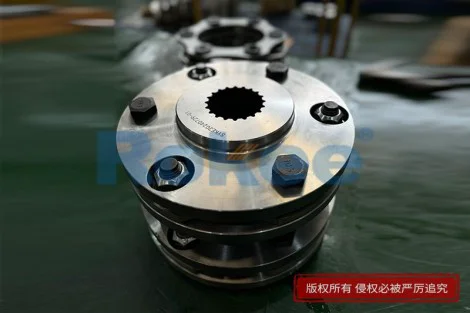
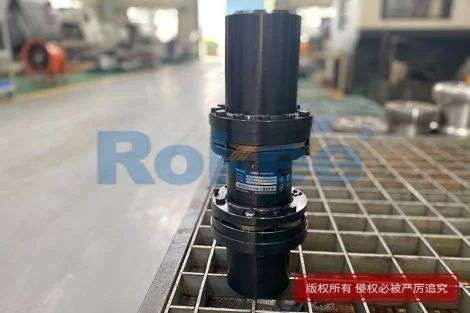
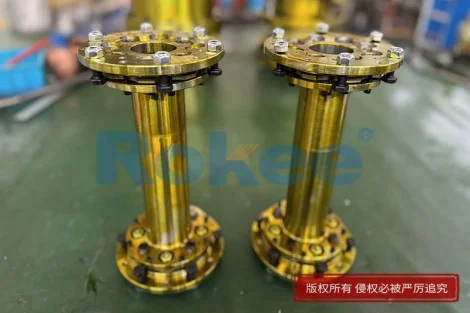
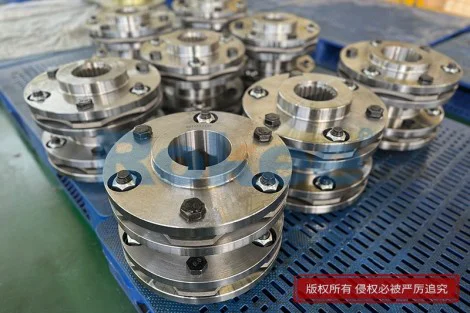
The internal structural design of large heavy-duty steel laminae coupling follows the mechanical optimization principle of hierarchical force bearing and symmetrical stress dispersion. Its basic composition includes two symmetrically distributed metal half-couplings, multiple groups of stacked steel laminae assemblies, high-strength fastening connectors and limit positioning structures. The steel laminae are processed into regular thin-plate structures with uniform thickness and smooth surfaces, and multiple single laminae are stacked in an orderly manner to form laminated force-bearing units. These laminated units are arranged in a radial or circumferential symmetrical form between the two half-couplings, and each lamina maintains a fixed spacing through precision-machined positioning gaskets. The fastening components adopt high-strength metal fasteners with anti-loosening structures, which can firmly connect the half-couplings and laminated laminae together to avoid structural loosening caused by long-term mechanical vibration. All metal components are processed with high-precision machining technology, and the fitting gaps between parts are strictly controlled to ensure the concentricity and structural stability of the overall coupling during rotation. The integrated structure without complex auxiliary transmission accessories simplifies the mechanical logic of torque transmission, laying a solid structural foundation for long-term stable operation under heavy load conditions.
The working mechanism of large heavy-duty steel laminae coupling is based on the elastic deformation characteristics of metal laminae and the friction transmission principle between stacked structures. When the power driving end drives one half-coupling to rotate, the torque is evenly transmitted to the laminated steel laminae through the fastening connection parts. Driven by mechanical force, the steel laminae produce tiny elastic bending and shear deformation, and the friction between adjacent laminae assists in completing the continuous transmission of torque. In this transmission process, the laminated structure can effectively buffer the instantaneous torque fluctuation generated by equipment start-up, load change and operational impact. When the connected shafts produce tiny axial displacement, radial deviation or angular deflection due to installation errors and mechanical operation wear, the elastic deformation of steel laminae can intelligently compensate for these displacements. This compensation function avoids additional mechanical stress concentration on the shaft body and bearing parts caused by axis misalignment, thereby reducing the abrasion loss of key transmission components. Compared with single elastic element couplings, the stacked design of steel laminae disperses the overall stress on multiple thin plates, which effectively reduces the fatigue damage probability of a single component and improves the continuous working reliability of the coupling.
Material selection and processing technology are the core factors that determine the comprehensive performance of large heavy-duty steel laminae coupling. The steel raw materials used for processing laminae are high-quality alloy steel with uniform internal texture and low impurity content. This type of steel has excellent tensile strength, yield toughness and fatigue resistance, and can maintain stable mechanical properties under long-term high-pressure bearing and alternating load conditions. After initial cutting and forming, the steel laminae need to undergo multiple heat treatment processes including quenching and tempering. The heat treatment process optimizes the internal metallographic structure of the steel plate, eliminates the internal stress generated during machining, and enhances the hardness and impact resistance of the laminae surface. The surface of each steel lamina is polished and anti-corrosion treated to reduce friction resistance between adjacent laminae and avoid metal oxidation and corrosion caused by humid air, dust and industrial corrosive media in the working environment. The half-couplings and fastening parts are made of thickened high-rigidity steel materials, which are processed by integral forging to ensure that no structural cracks or deformation defects occur under extreme torque loads. The scientific material matching and rigorous processing technology enable the coupling to adapt to high-intensity working cycles in harsh industrial environments.
Large heavy-duty steel laminae coupling has prominent performance advantages in heavy-load industrial transmission scenarios, showing unique competitiveness compared with other types of couplings. Firstly, it has ultra-high torque bearing capacity. The stacked steel laminae structure can bear continuous high torque and instantaneous impact load, and is suitable for large mechanical equipment that needs to transmit strong power. Secondly, it has excellent displacement compensation capability. The flexible deformation of the laminated steel plates can adapt to axial, radial and angular comprehensive displacements within a reasonable range, reducing the installation precision requirements of the equipment and lowering the mechanical failure rate caused by axis deviation. Thirdly, the vibration damping and noise reduction effect is remarkable. The friction and elastic deformation between stacked laminae can absorb the vibration energy generated during equipment operation, suppress mechanical resonance, and reduce the operating noise of the transmission system. In addition, the all-metal structure design avoids the aging, deformation and failure problems of non-metal elastic materials. It will not be affected by temperature changes and chemical erosion, and can maintain stable working performance in high-temperature, low-temperature and dusty harsh working conditions. The compact structural layout does not occupy extra mechanical space, which is convenient for integrated installation of complex mechanical equipment.
This type of coupling is widely applied in multiple heavy industrial fields that require high-power and high-stability transmission. In the metallurgical industry, it is applied to the transmission connection of rolling mills and continuous casting equipment. These devices need to maintain continuous rotation under heavy metal extrusion load, and the coupling can stably transmit torque while buffering the impact vibration generated by metal rolling. In the mining industry, it serves large-scale crushing machinery and mineral conveying equipment. The complex working environment of mining machinery is accompanied by dust pollution and irregular impact loads, and the anti-corrosion and impact-resistant characteristics of steel laminae coupling can adapt to such harsh conditions. In the cement building materials industry, it is matched with rotary kilns and roller pressing equipment to complete long-cycle and high-strength transmission work. In the port and logistics transportation industry, it is used for the power connection of large hoisting machinery and conveying equipment, ensuring the stability of power output during heavy cargo handling. At the same time, it also has stable application effects in heavy-duty fan equipment, hydraulic transmission systems and large generator sets, covering multiple core production links of heavy industry.
In terms of daily operation and maintenance, large heavy-duty steel laminae coupling has the characteristics of simple maintenance and low operating cost. The all-metal integrated structure does not require frequent replacement of vulnerable parts such as rubber gaskets and elastic sleeves. Under normal working conditions, it only needs regular visual inspection and fastening inspection. During daily maintenance, staff only need to check whether there is surface corrosion, plastic deformation and crack damage on the steel laminae, and confirm whether the fastening connectors are loose. For the laminated gap part of the laminae, regular dust cleaning is carried out to avoid hard particle deposition increasing friction and abrasion between laminae. No complicated lubrication system is required in the working process, which saves the maintenance cost of lubricating grease and daily oil injection operation. When individual laminae are locally damaged due to long-term fatigue, the damaged single lamina can be replaced separately without disassembling the overall coupling structure, which greatly reduces the maintenance time and equipment shutdown loss. The convenient maintenance mode makes it more suitable for industrial equipment that requires continuous and uninterrupted operation.
Despite the excellent comprehensive performance, large heavy-duty steel laminae coupling still has certain limitations in the application process. Its rigid metal structure leads to poor buffering performance for extreme instantaneous impact loads. When the equipment is subjected to sudden ultra-high impact force, local stress concentration may occur on individual steel laminae. In addition, the laminated structure is sensitive to ultra-high precision vibration working conditions. In some high-precision transmission equipment with extremely strict vibration control requirements, its application effect is limited. At the same time, the weight of the all-metal thickened structure is relatively large, which is not suitable for light-duty mechanical equipment with strict weight restrictions. In view of these limitations, industrial designers are constantly optimizing the structural design. By adjusting the thickness of single lamina, optimizing the stacking spacing and improving the surface friction treatment process, the stress distribution of the laminated structure is balanced, and the extreme impact resistance of the coupling is enhanced. Through lightweight structural optimization design, the self-weight of the coupling is reduced while ensuring the bearing capacity, so as to expand its applicable equipment range.
With the continuous upgrading of modern heavy industrial manufacturing technology, the development direction of large heavy-duty steel laminae coupling is gradually moving towards structural optimization, intelligent monitoring and adaptive performance improvement. In terms of structural optimization, the bionic laminated arrangement and streamline transition structure are adopted to reduce the wind resistance and rotational friction during high-speed operation, further improve transmission efficiency, and reduce mechanical energy consumption. In terms of material innovation, new alloy composite steel materials are being continuously applied to laminae processing. These new materials have higher fatigue resistance and lower density, which can realize lightweight and long-life iteration of the coupling. In terms of intelligent application, combined with mechanical sensing technology, real-time monitoring of operating parameters such as laminae stress, operating vibration and temperature is realized. The monitoring data can feed back the operating state of the coupling in real time, helping staff predict potential failure risks and realize predictive maintenance. In the future, with the continuous progress of industrial automation and intelligent manufacturing technology, this type of coupling will be further optimized to adapt to more extreme working conditions and meet the higher standard transmission requirements of heavy industrial equipment.
In conclusion, large heavy-duty steel laminae coupling relies on its unique laminated steel plate structure, excellent heavy-load bearing capacity, reliable displacement compensation performance and simple maintenance characteristics, and has become an important basic component in the field of heavy industrial mechanical transmission. It solves many practical problems such as unstable power transmission, easy wear of shaft parts and high maintenance cost of traditional couplings in heavy-load working conditions. From metallurgical mining to port hoisting, from building materials production to power transmission, it provides stable power connection guarantee for various large mechanical equipment. Although restricted by structural characteristics, it has partial application limitations, and the continuous technological optimization and material innovation are constantly making up for its performance defects. In the context of the continuous expansion of the scale of modern heavy industry and the continuous improvement of equipment operating standards, large heavy-duty steel laminae coupling will continue to exert its application value, continuously iterate and upgrade in combination with industrial technological progress, and provide more reliable and efficient basic support for the stable operation of heavy-duty mechanical transmission systems.
With excellent quality, we have been continuously providing many coupling products of various categories and uses complying with multiple standards and a full range of services, from the product selection to final installation and operation, for the industry fields of ferrous metallurgy, nuclear power, gas turbine, wind power, ropeway construction, lifting transportation, general equipment, etc.
pu sandwich panel line,pu sandwich panel machine,sandwich panel machine
« Large Heave-duty Steel Laminae Coupling » Latest Update Date: May 21, 2026
https://www.rokeecoupling.net/cases/large-heave-duty-steel-laminae-coupling.html