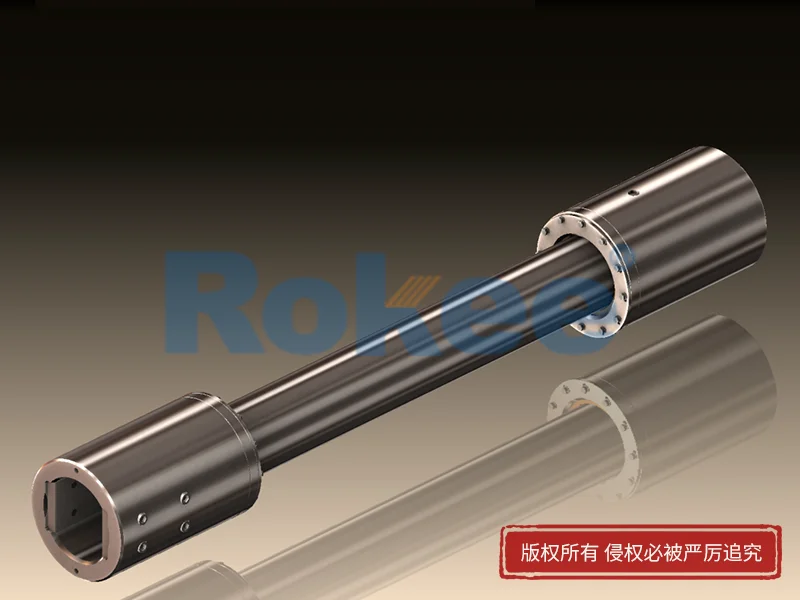
Large Drum Tooth Shaft For Steel Reeling Machine
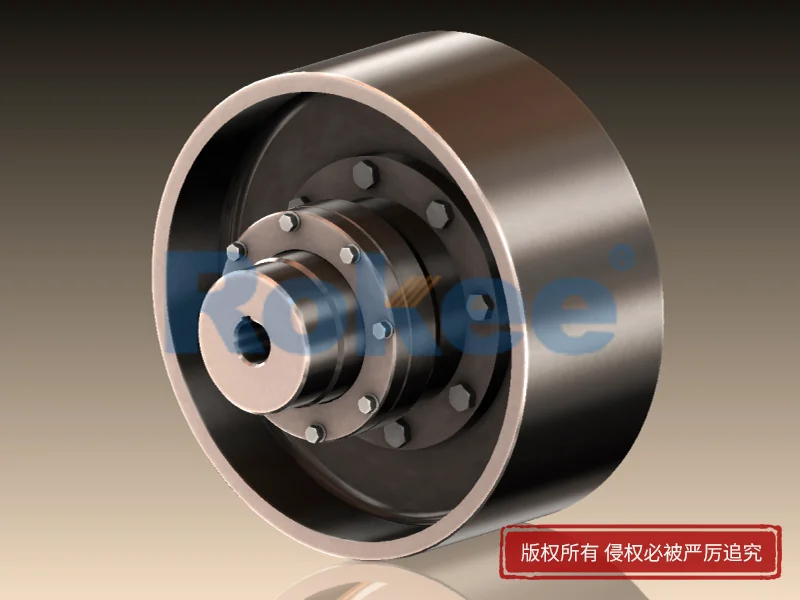
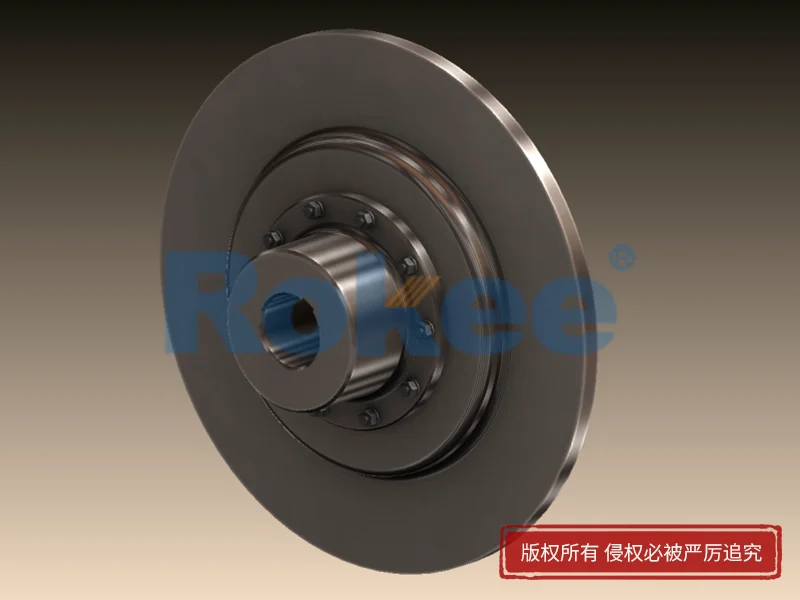
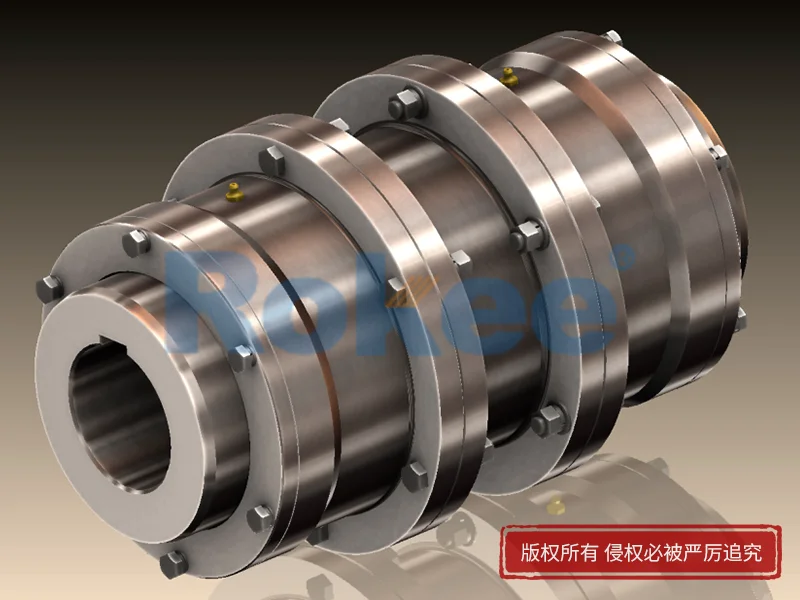
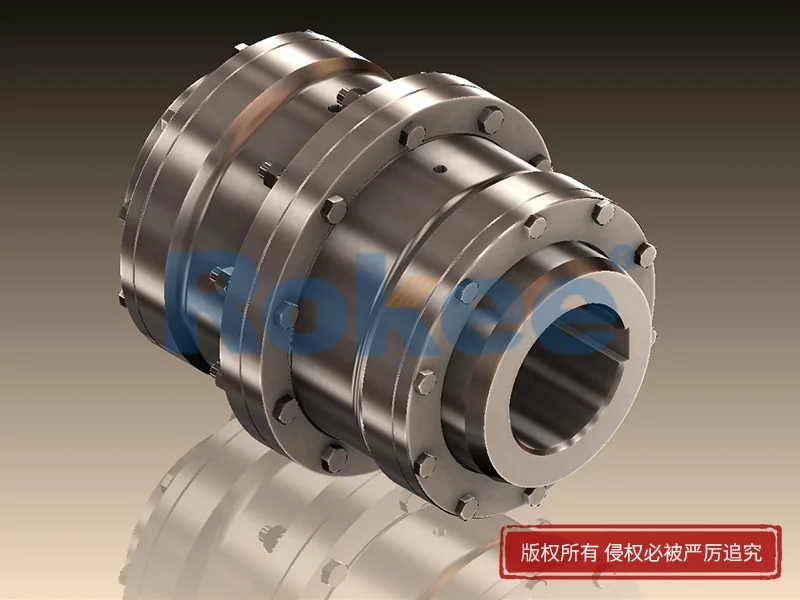
Rokee is a well-known Large Drum Tooth Shaft supplier from china, the page show cases of Large Drum Tooth Shaft For Steel Reeling Machine, provide customized services based on user's drawings, and supporting exports.
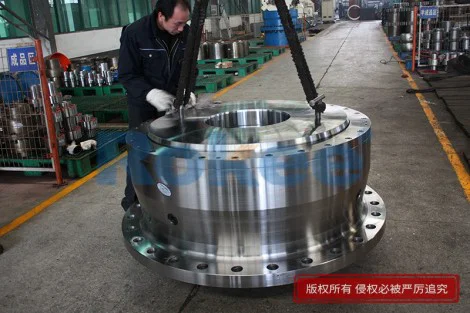
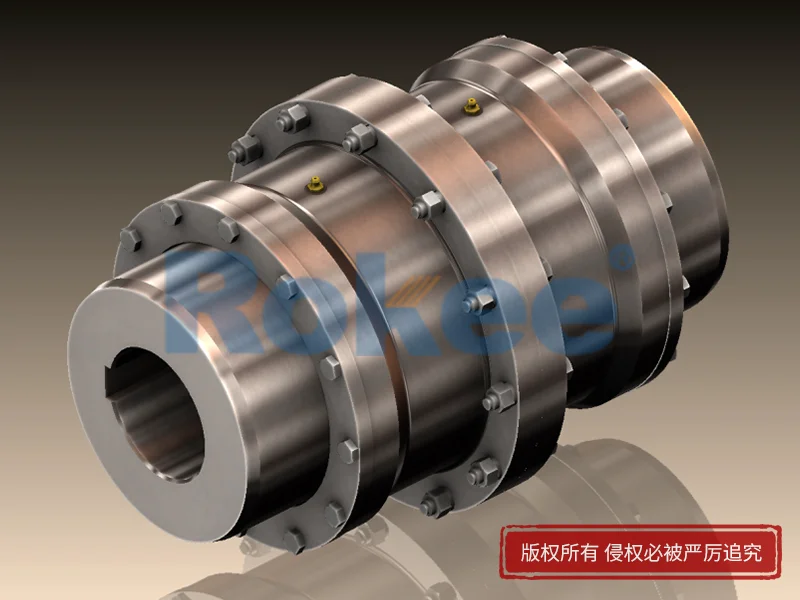
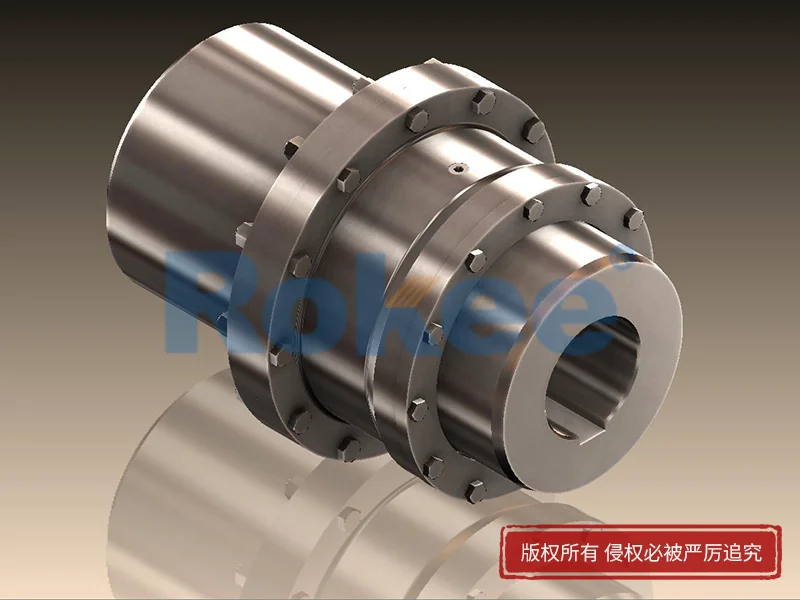
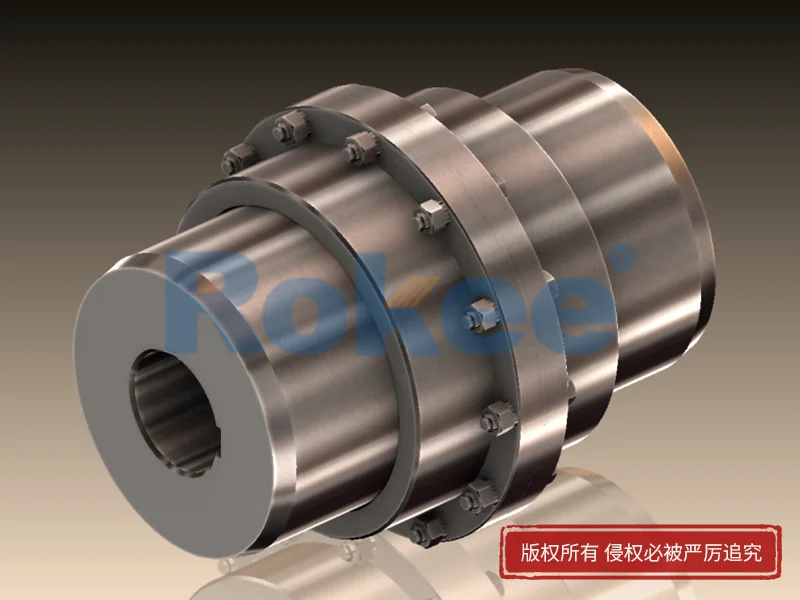
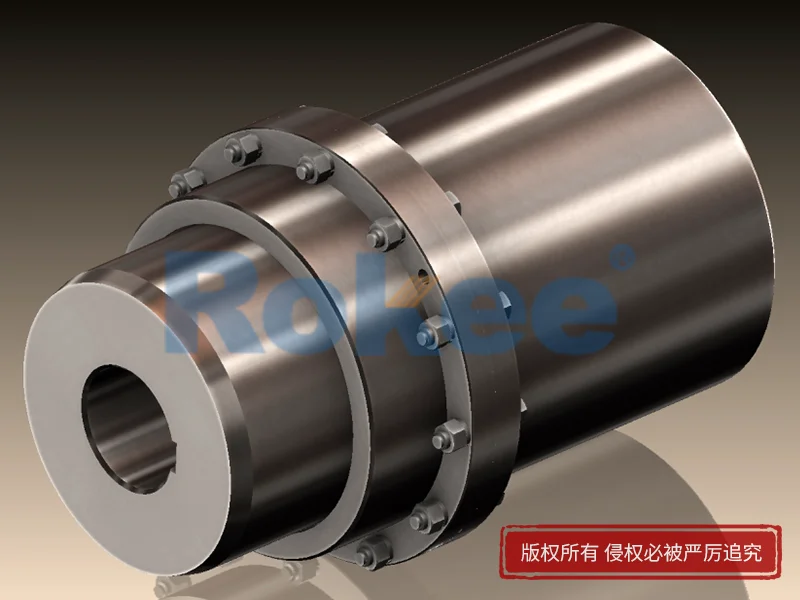
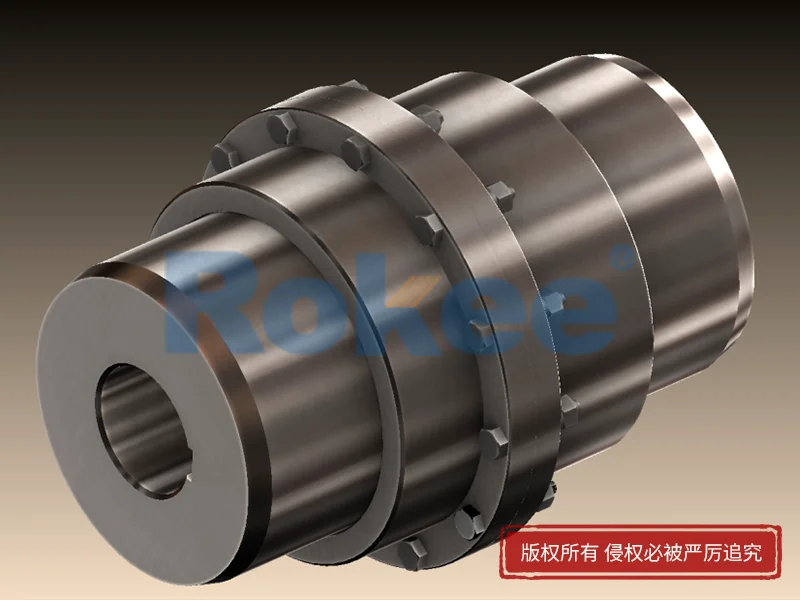
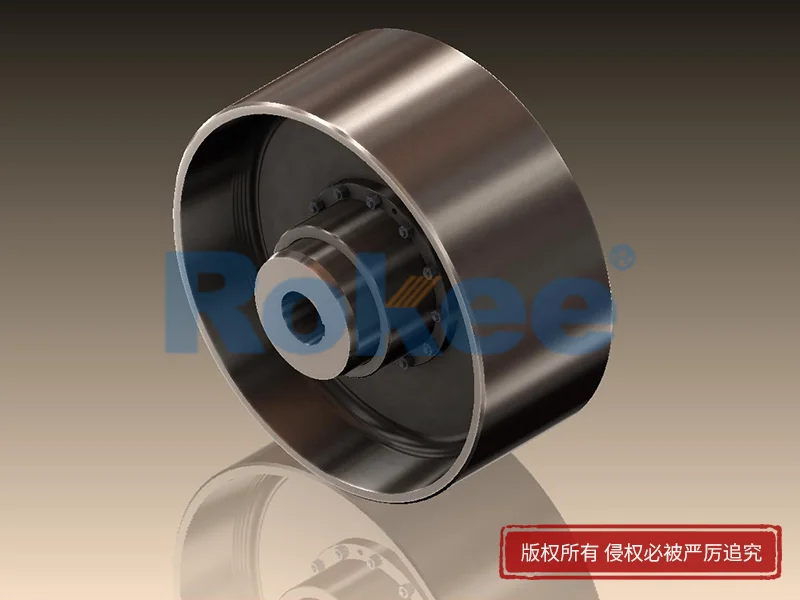
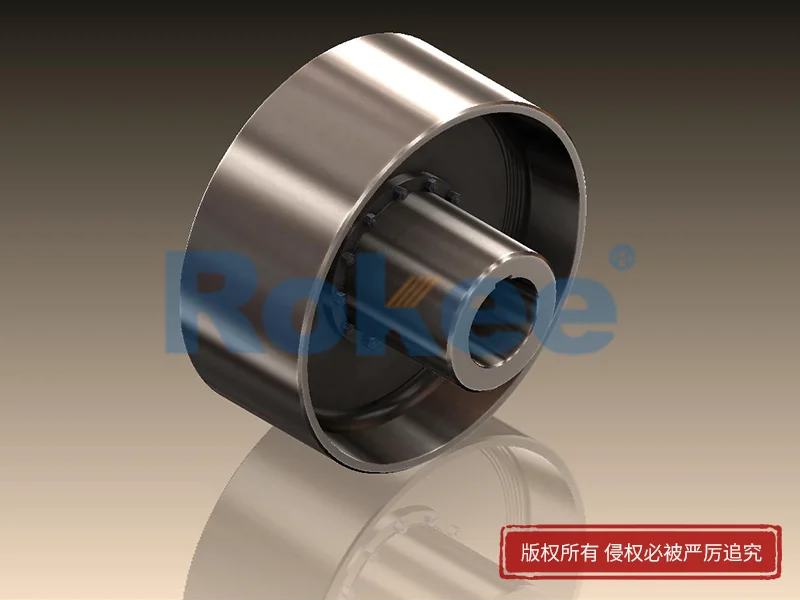
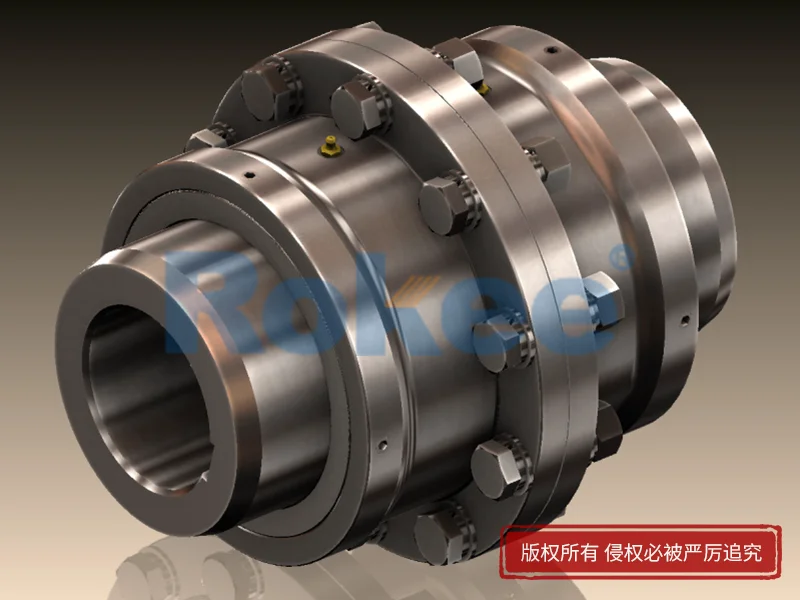
In the heavy-duty metal processing industry, steel reeling machines stand as essential core equipment for finishing steel coil production, undertaking the critical task of winding, shaping and stabilizing steel strips of different thicknesses and widths. The large drum tooth shaft serves as the pivotal transmission and load-bearing component of the entire reeling machine system, directly determining the operational stability, winding precision and service life of the equipment. Unlike ordinary mechanical shafts, this specialized shaft integrates drum-shaped tooth structure and high-strength shaft body design, perfectly adapting to the high-torque, heavy-load and continuous cyclic working environment of steel reeling operations. It acts as the key bridge connecting the power transmission unit and the reeling drum, converting the rotational power output by the driving system into stable and uniform winding torque, while bearing the huge tensile force and mechanical impact generated during steel strip winding. In modern steel production lines with high efficiency and high precision requirements, the structural performance, manufacturing accuracy and operational stability of the large drum tooth shaft have become core factors affecting the overall production quality and operational efficiency of steel coils.
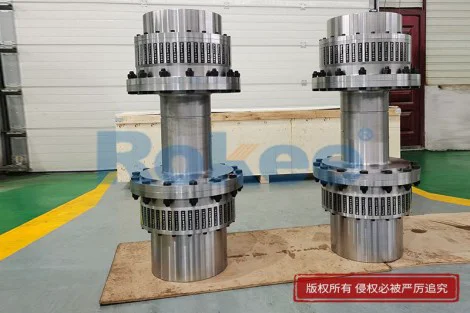
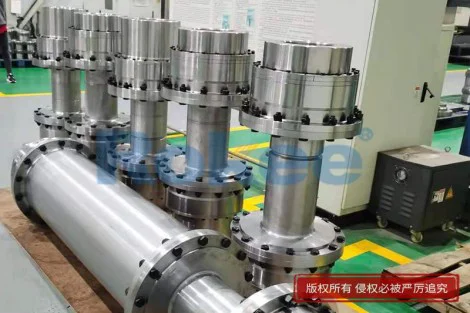
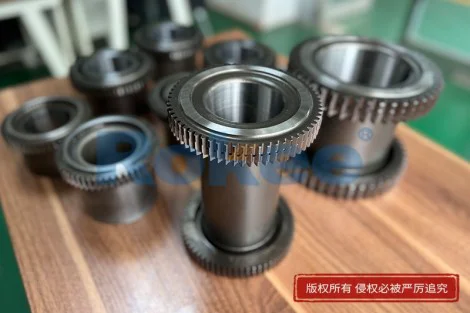
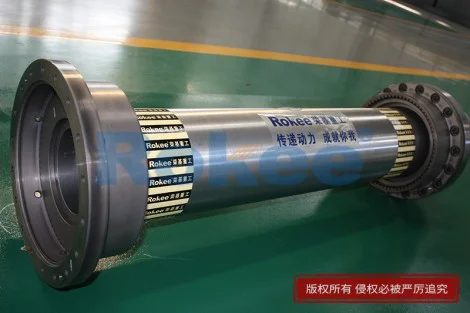
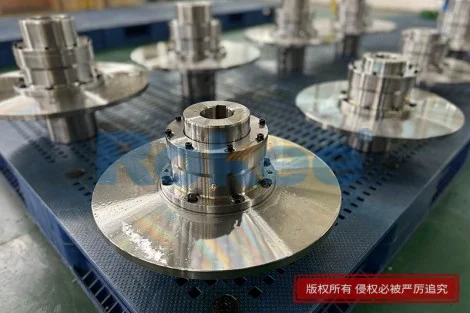
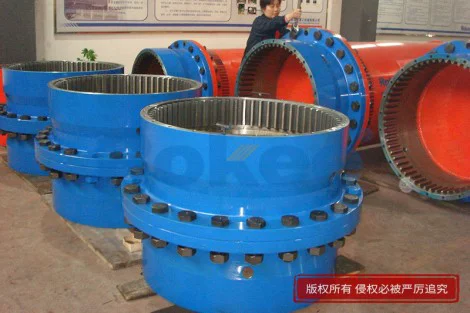
The structural design of the large drum tooth shaft is developed and optimized based on the actual working characteristics of steel reeling machines, featuring a highly integrated and mechanized professional structure. The overall structure consists of three core parts: the main shaft body, the drum-shaped tooth section and the positioning and connecting sections at both ends. The main shaft body adopts an integral forging forming process, with a smooth and dense internal metal structure, which effectively avoids structural defects such as internal pores and cracks that are prone to appear in traditional welded shaft bodies. This integral structure endows the shaft body with excellent overall rigidity and bending resistance, enabling it to maintain stable geometric accuracy under long-term heavy-load working conditions without obvious deformation or deflection. The drum-shaped tooth section is the most functional core part of the shaft, and its unique curved tooth profile is distinctly different from ordinary straight teeth and inclined teeth. The drum-shaped tooth surface presents a gentle arc transition, which can realize flexible meshing with the matching gear components. This structural design eliminates the stress concentration problem at the tooth root of traditional gear structures, and can automatically compensate for minor axial, radial and angular deviations generated during equipment operation, ensuring continuous and stable power transmission even when there is slight assembly error or mechanical wear of the equipment.
The tooth profile of the drum tooth section is processed with ultra-precision machining technology, with strict control over tooth pitch, tooth height and surface finish. The smooth and regular tooth surface ensures seamless meshing contact with the mating parts, minimizing friction loss and mechanical vibration during power transmission. Each tooth body is designed with a thickened and reinforced structure, which improves the shear resistance and wear resistance of the tooth part, and can withstand the instantaneous torque impact generated during the start-stop and variable-speed operation of the steel reeling machine. The positioning sections at both ends of the shaft body adopt precision turning and grinding processing, with high-coaxiality mounting holes and positioning steps, which can ensure accurate docking and stable installation with the bearing assembly and reeling drum. The standardized positioning structure effectively avoids the radial runout and axial displacement of the shaft body during high-speed rotation, laying a solid foundation for the uniform winding of steel strips and the flatness of finished steel coils.
Material selection is the fundamental guarantee for the excellent performance of the large drum tooth shaft, and the production of this component strictly selects high-strength alloy steel materials with excellent comprehensive mechanical properties. This type of material has high tensile strength, yield strength and impact toughness, and can maintain stable mechanical properties in harsh working environments such as heavy load, variable load and continuous operation. After strict forging, quenching and tempering heat treatment processes, the material internal structure is further optimized, the hardness and wear resistance of the shaft surface are significantly improved, while the core part maintains good toughness, realizing the perfect combination of surface wear resistance and internal impact resistance. This material performance characteristic enables the drum tooth shaft to resist abrasive wear caused by long-term meshing friction and fatigue damage caused by cyclic stress, effectively extending the service life of the component. In addition, the selected alloy steel material also has good hardenability and processing performance, which is convenient for precision machining of complex drum tooth profiles and subsequent surface strengthening treatment, ensuring that each technical index of the component meets the heavy-duty working requirements of steel reeling equipment.
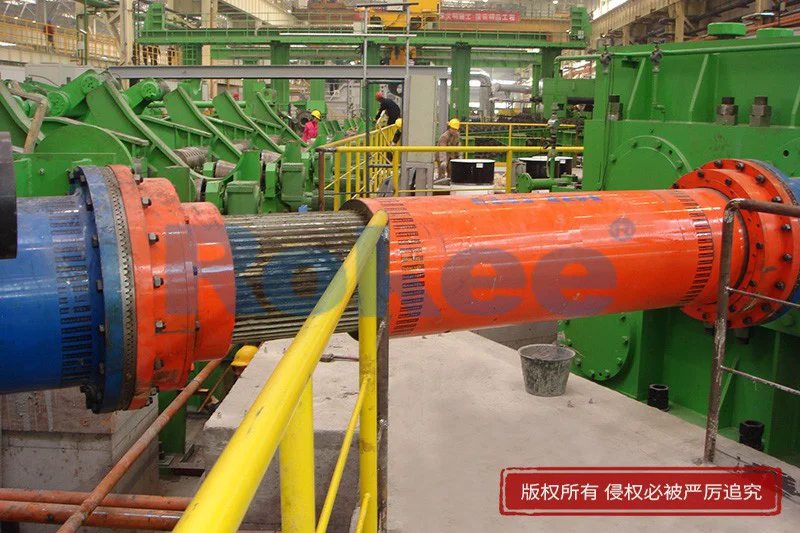
The working principle of the large drum tooth shaft in the steel reeling machine is based on precise gear meshing transmission and mechanical load-bearing coordination. During the operation of the equipment, the power generated by the driving motor is transmitted to the reducer, and the reducer adjusts the rotational speed and amplifies the torque to output stable power to the drum tooth shaft. Through the precise meshing between the drum-shaped teeth on the shaft and the matching gear ring, the rotational torque is efficiently transmitted to the reeling drum assembly, driving the drum to perform uniform and stable rotational motion to complete the winding operation of the steel strip. Compared with traditional rigid transmission shafts, the drum tooth structure has unique flexible compensation performance. When the steel strip has uneven tension during winding or the equipment has minor operational deviation, the arc tooth surface can produce slight sliding and adaptive adjustment with the mating gear, absorbing instantaneous mechanical vibration and torque fluctuation. This flexible transmission characteristic avoids rigid impact and stress accumulation in the transmission system, protects the driving motor, reducer and other supporting equipment from damage, and ensures the continuity and stability of the steel reeling process.
In the actual steel reeling production process, the large drum tooth shaft undertakes multiple key functional tasks. First of all, it realizes efficient and lossless power transmission, ensuring that the power output by the power system can be fully and stably transmitted to the reeling drum, avoiding power loss and winding speed inconsistency caused by transmission failure. Secondly, it bears the composite load generated during steel strip winding, including the tensile force of the steel strip, the gravity of the drum and the centrifugal force during rotation. The high-rigidity shaft body can resist various composite forces, maintain the stable rotation of the drum, and prevent the problems of steel strip wrinkling, deviation and uneven winding caused by shaft body deformation. In addition, the precise meshing performance of the drum tooth section ensures the synchronization of the transmission system, making the winding speed of the steel strip consistent with the feeding speed of the front-end processing equipment, effectively improving the winding flatness and compactness of finished steel coils, and reducing the defective rate of coil products.
The large drum tooth shaft has excellent adaptive performance for various complex working conditions in steel production. In the production scene of thick steel strip winding, the equipment needs to bear ultra-high torque and heavy load, and the high-strength structural design of the drum tooth shaft can fully meet the heavy-load transmission requirements, avoiding tooth breaking, shaft bending and other failure problems. In the high-speed winding production of thin steel strips, the precise machining accuracy of the shaft body and tooth profile ensures low-vibration and low-noise operation of the equipment, preventing fine steel strips from being stretched or deformed due to equipment vibration. For the continuous cyclic production mode of steel mills, the drum tooth shaft has excellent fatigue resistance and stability, and can maintain long-term uninterrupted operation without performance attenuation, adapting to the high-intensity production rhythm of modern steel production lines. At the same time, the optimized tooth surface structure can effectively reduce meshing wear and heat generation during operation, avoid component failure caused by high-temperature fatigue, and improve the continuous operation capacity of the entire reeling machine unit.
Daily maintenance and scientific operation are crucial to maintaining the long-term stable performance of the large drum tooth shaft. Lubrication management is the core of daily maintenance. Good lubrication conditions can form a uniform oil film on the meshing tooth surface and the rotating bearing part, reducing direct friction between metal surfaces, reducing wear and heat generation, and avoiding dry friction damage to the tooth profile and shaft body. It is necessary to select suitable lubricating media according to the operating load and speed, and regularly replace and supplement lubricants to ensure the continuity and effectiveness of lubrication. In addition, regular inspection of the shaft body operation state is required, including checking for abnormal vibration, noise and temperature rise during equipment operation, observing whether there is wear, scratch or deformation on the drum tooth surface, and detecting the coaxiality and positioning accuracy of the shaft body. Minor wear and deviation problems can be repaired and adjusted in a timely manner to prevent small defects from expanding into major equipment failures. During equipment start-stop and commissioning operations, excessive instantaneous load and frequent variable-speed impact should be avoided to reduce cyclic fatigue damage to the drum tooth shaft and extend its comprehensive service life.
With the continuous upgrading of modern steel processing technology, the performance requirements for steel reeling equipment are constantly improving, which also promotes the continuous optimization and innovation of large drum tooth shaft technology. In recent years, with the development of high-precision and intelligent steel production lines, the design of drum tooth shafts is developing towards higher precision, higher strength and longer service life. Advanced machining and heat treatment technologies are widely used in production, further improving the dimensional accuracy, surface hardness and structural stability of components. At the same time, the structural optimization design focusing on energy saving and consumption reduction is also gradually promoted. By improving the tooth profile curve and meshing fit clearance, the transmission efficiency of the shaft body is further improved, the energy loss during operation is reduced, and the energy-saving and environmental protection performance of the equipment is enhanced. These technological improvements not only adapt to the high-standard production requirements of modern steel coils, but also improve the overall operational efficiency and economic benefits of steel production equipment.
In the entire steel processing industry chain, the large drum tooth shaft, as a small but core component, plays an irreplaceable role in ensuring the quality of steel coil products and the stable operation of production equipment. Its structural design, material performance and processing accuracy directly affect the winding quality, production efficiency and operational stability of steel reeling machines, and are closely related to the product qualification rate and production cost of steel enterprises. In the face of the increasingly stringent market requirements for steel coil flatness, compactness and consistency, the performance optimization of large drum tooth shafts has become an important part of the upgrading and iteration of steel reeling equipment. In the future, with the continuous progress of mechanical manufacturing technology and material science, the comprehensive performance of large drum tooth shafts will be further improved, providing more reliable core component support for the high-efficiency, high-precision and intelligent development of steel reeling production, and promoting the overall technological progress of the steel processing industry.
With excellent quality, we have been continuously providing many coupling products of various categories and uses complying with multiple standards and a full range of services, from the product selection to final installation and operation, for the industry fields of ferrous metallurgy, nuclear power, gas turbine, wind power, ropeway construction, lifting transportation, general equipment, etc.
pu sandwich panel line,pu sandwich panel machine,sandwich panel machine
« Large Drum Tooth Shaft For Steel Reeling Machine » Latest Update Date: Jun 18, 2026
https://www.rokeecoupling.net/cases/large-drum-tooth-shaft-for-steel-reeling-machine.html
Products
![GICL Crown Gear Coupling]() GICL Crown Gear Coupling
GICL Crown Gear Coupling![GICLZ Crown Gear Coupling]() GICLZ Crown Gear Coupling
GICLZ Crown Gear Coupling![GIICL Crown Gear Coupling]() GIICL Crown Gear Coupling
GIICL Crown Gear Coupling![GIICLZ Crown Gear Coupling]() GIICLZ Crown Gear Coupling
GIICLZ Crown Gear Coupling![GCLD Crown Gear Coupling]() GCLD Crown Gear Coupling
GCLD Crown Gear Coupling![NGCL Crown Gear Coupling]() NGCL Crown Gear Coupling
NGCL Crown Gear Coupling![NGCLZ Crown Gear Coupling]() NGCLZ Crown Gear Coupling
NGCLZ Crown Gear Coupling![WG Crown Gear Coupling]() WG Crown Gear Coupling
WG Crown Gear Coupling![WGZ Crown Gear Coupling]() WGZ Crown Gear Coupling
WGZ Crown Gear Coupling![WGP Crown Gear Coupling]() WGP Crown Gear Coupling
WGP Crown Gear Coupling![WGT Crown Gear Coupling]() WGT Crown Gear Coupling
WGT Crown Gear Coupling![WGC Crown Gear Coupling]() WGC Crown Gear Coupling
WGC Crown Gear Coupling![WGJ Crown Gear Coupling]() WGJ Crown Gear Coupling
WGJ Crown Gear Coupling
Other Cases
![Tooth Coupling With Intermediate Shaft]() Tooth Coupling With Intermediate Shaft
Tooth Coupling With Intermediate Shaft![Crown Gear Coupling With Intermediate Shaft]() Crown Gear Coupling With Intermediate Shaft
Crown Gear Coupling With Intermediate Shaft![Drum Gear Coupling With Intermediate Shaft]() Drum Gear Coupling With Intermediate Shaft
Drum Gear Coupling With Intermediate Shaft![Large Crown Gear Coupling]() Large Crown Gear Coupling
Large Crown Gear Coupling![Elastic Block Toothed Coupling]() Elastic Block Toothed Coupling
Elastic Block Toothed Coupling![High Speed Drum Gear Coupling Exported To Europe]() High Speed Drum Gear Coupling Exported To Europe
High Speed Drum Gear Coupling Exported To Europe![High-speed & Corrosion-resistant Drum Gear Coupling For Steam Turbine]() High-speed & Corrosion-resistant Drum Gear Coupling For Steam Turbine
High-speed & Corrosion-resistant Drum Gear Coupling For Steam Turbine![Large Drum Gear Coupling]() Large Drum Gear Coupling
Large Drum Gear Coupling![Gear Type Coupling With Brake Disc]() Gear Type Coupling With Brake Disc
Gear Type Coupling With Brake Disc![Initial-rolling Crown Gear Coupling For Large Hot-rolling Mill]() Initial-rolling Crown Gear Coupling For Large Hot-rolling Mill
Initial-rolling Crown Gear Coupling For Large Hot-rolling Mill