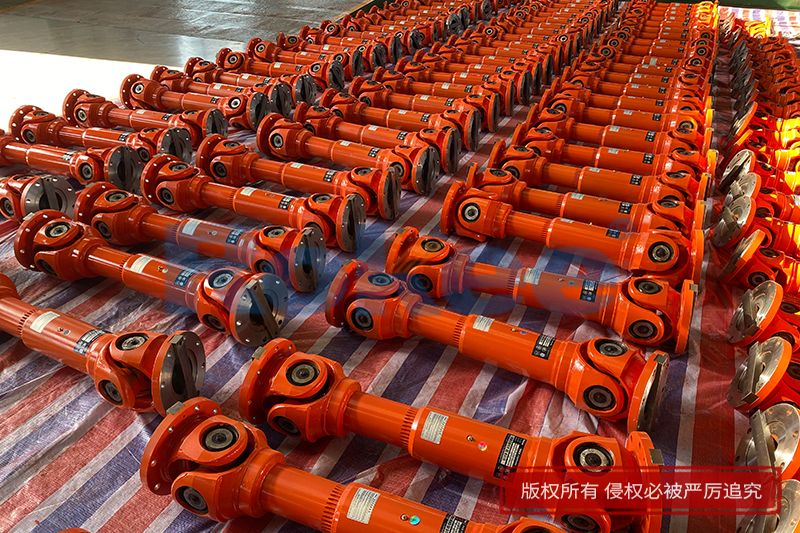
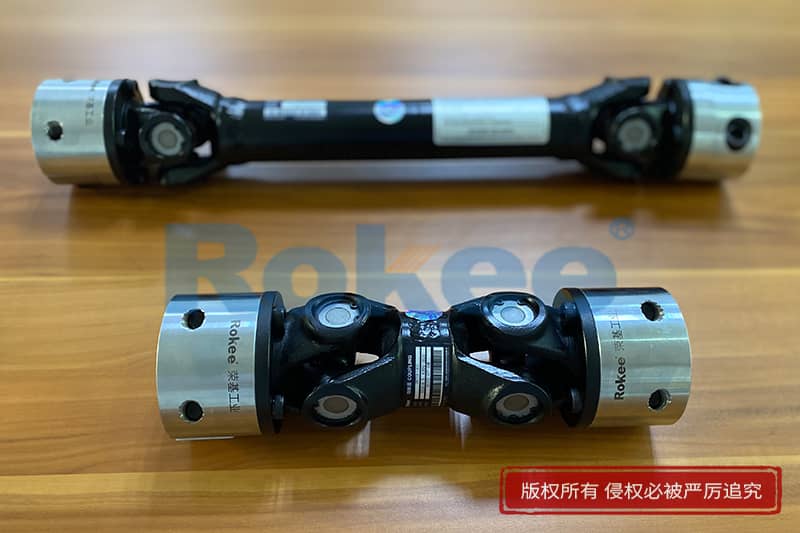
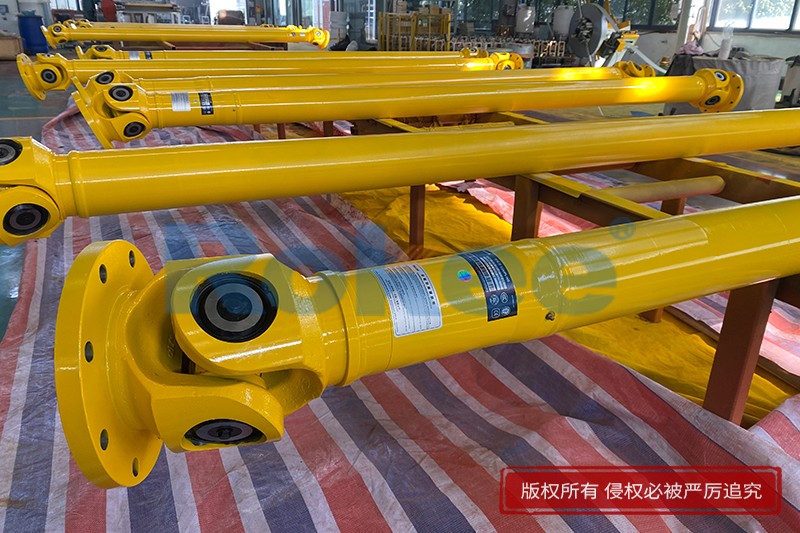
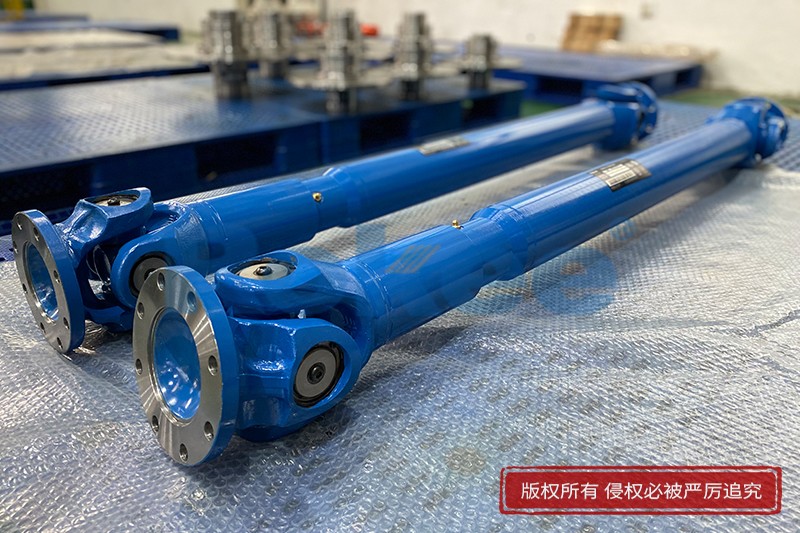
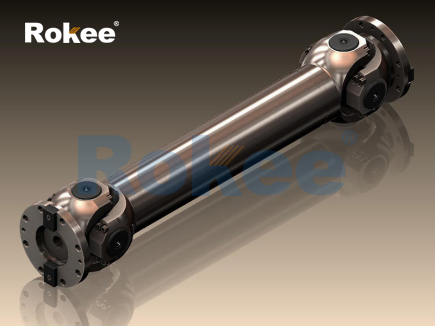
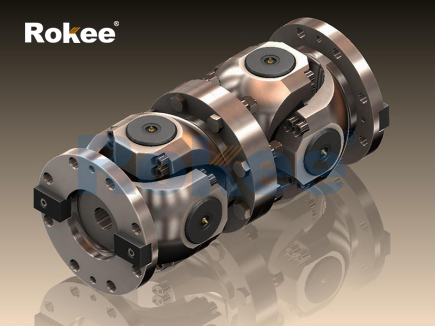
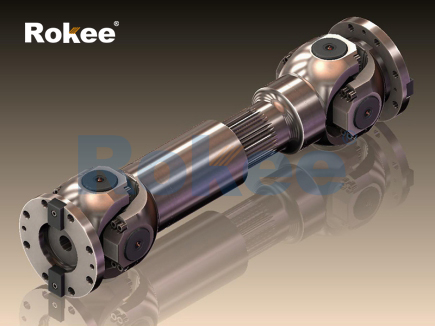
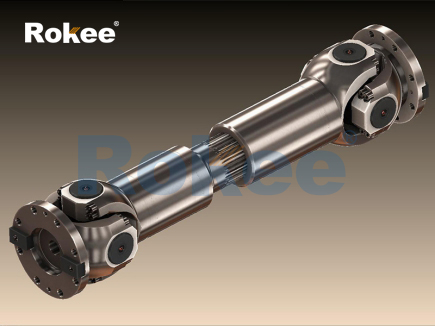
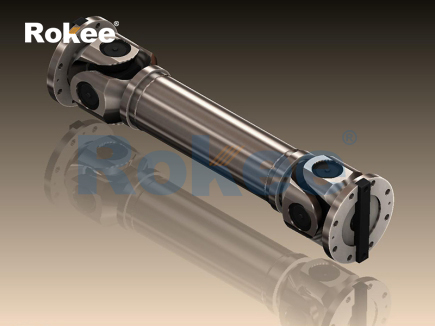
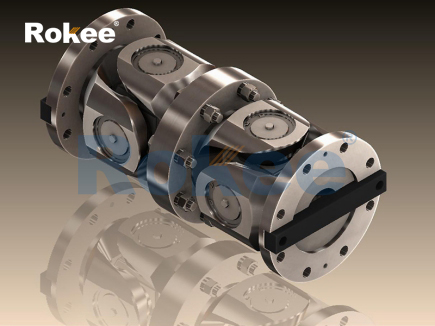
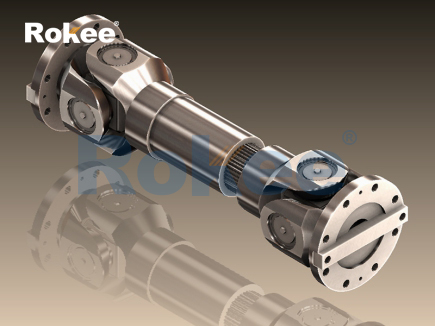
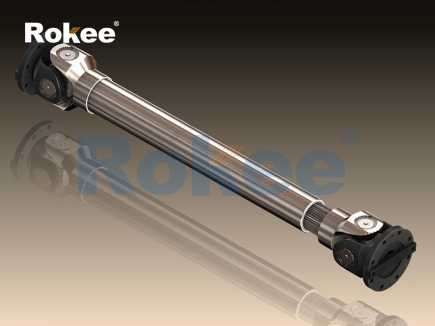
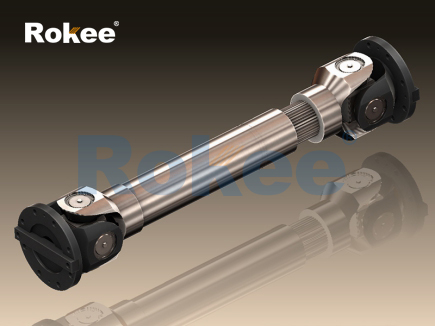
In the intricate ecosystem of mechanical engineering, power transmission stands as one of the most fundamental and indispensable disciplines, serving as the bridge that converts raw mechanical energy into functional motion for countless types of equipment. Among the diverse array of transmission components developed over centuries of technological advancement, cardan drive shafts have emerged as a uniquely versatile and reliable solution, distinguishing themselves from rigid transmission structures through their exceptional adaptive capabilities and robust operational stability. Unlike fixed linear shafts that only function effectively under perfectly coaxial and aligned operating conditions, cardan drive shafts integrate flexible universal joint structures that can seamlessly compensate for angular deviation, axial displacement, and minor radial misalignment between driving and driven components during continuous mechanical operation. This inherent flexibility allows power to be transmitted consistently and efficiently even in dynamic working environments where equipment components shift positions, vibrate, or undergo minor structural deformation, making these shafts a core foundational component across automotive systems, industrial machinery, agricultural equipment, construction devices, and marine mechanical systems. The widespread adoption of cardan drive shafts stems not from simple structural design, but from their unparalleled ability to balance transmission efficiency, mechanical durability, and environmental adaptability, addressing the most common pain points in traditional power transmission systems and supporting the stable operation of modern mechanical equipment in complex and variable working scenarios.
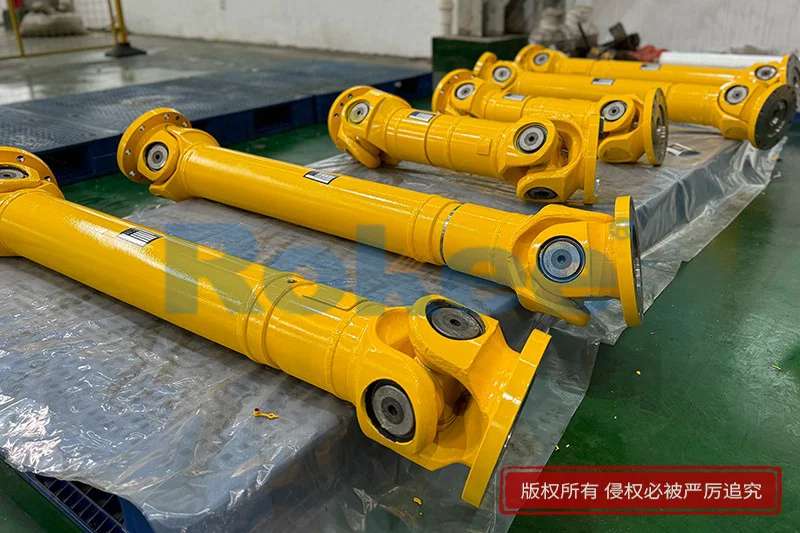
To fully comprehend the value of cardan drive shafts in modern engineering, it is essential to analyze their structural logic and working principles that underpin their superior performance. At its core, a standard cardan drive shaft consists of precision-machined universal joints, telescopic shaft segments, connecting yokes, and high-strength fastening components, all assembled to form a flexible yet rigid integral transmission structure. The universal joint, the key functional unit of the entire system, enables rotational power transmission between two shafts that are not strictly collinear, breaking the spatial limitations of rigid transmission structures. When mechanical equipment is in operation, subtle relative displacements and angular changes inevitably occur between power sources and execution ends due to suspension jitter, equipment vibration, terrain undulation, or thermal expansion of metal components. Rigid transmission shafts cannot adapt to such changes, resulting in increased transmission resistance, localized mechanical stress, accelerated component wear, and even structural fatigue damage over prolonged operation. In contrast, the universal joint structure of cardan drive shafts can freely adjust the transmission angle in real time, while the telescopic shaft segments compensate for axial distance changes between connecting parts, ensuring that torque and rotational motion are transmitted stably without loss or distortion. This adaptive transmission mechanism not only maintains high power transmission efficiency under dynamic working conditions but also disperses mechanical stress effectively, reducing the fatigue load on the entire transmission system and extending the overall service life of mechanical equipment.
The performance advantages of cardan drive shafts are fully reflected in their adaptability to diverse load conditions and harsh operating environments, which is why they have become irreplaceable in heavy-duty and continuous-operation mechanical systems. In practical mechanical operation, most power transmission scenarios involve fluctuating loads, frequent start-stop cycles, and continuous high-intensity operation, all of which pose stringent requirements on the toughness, rigidity, and fatigue resistance of transmission components. Cardan drive shafts are typically manufactured from high-strength alloy materials with precise forging and heat treatment processes, endowing them with excellent torsional resistance, structural rigidity, and wear resistance. These mechanical properties allow the shafts to withstand high torque impact and frequent load changes without deformation or structural failure, even during long-term continuous operation. Moreover, the optimized structural design effectively reduces vibration and noise during power transmission, achieving smoother and more stable mechanical operation. In high-dust, high-humidity, low-temperature, or heavy-load industrial environments where ordinary transmission components are prone to corrosion, wear, and failure, the well-sealed structural form of cardan drive shafts can isolate internal core components from external environmental interference, resisting dust accumulation, moisture erosion, and mechanical abrasion, thus maintaining consistent transmission performance and operational stability throughout long-term service cycles.
The automotive and transportation industry represents one of the largest and most mature application fields for cardan drive shafts, where their flexible transmission characteristics perfectly match the dynamic operating needs of vehicles. In rear-wheel-drive and four-wheel-drive vehicle systems, cardan drive shafts connect the vehicle gearbox to the drive axle, undertaking the core task of transmitting engine power to the driving wheels. During vehicle travel, the suspension system constantly compresses and rebounds with road undulations, causing continuous changes in the relative position and angle between the gearbox fixed on the vehicle chassis and the movable drive axle. Without flexible transmission components, such continuous angular and positional changes would lead to blocked power transmission, severe component friction, and rapid mechanical wear. Cardan drive shafts effectively resolve this problem through their universal joint and telescopic structures, adapting to the vertical displacement and angular deflection of the suspension system during driving, ensuring uninterrupted and stable power output regardless of road conditions. Beyond ordinary passenger vehicles, these shafts play an even more critical role in commercial vehicles, engineering vehicles, and off-road vehicles. Heavy-duty trucks, buses, and off-road construction equipment often operate under heavy-load and complex road conditions, requiring transmission systems to withstand greater torque impact and more drastic structural displacement. The high load-bearing capacity and excellent adaptive performance of cardan drive shafts fully meet these rigorous demands, guaranteeing reliable power transmission for vehicles during climbing, off-road traveling, and heavy-load transportation, greatly improving the overall stability and safety of vehicle operation.
Agricultural machinery is another key application scenario that highlights the practical value of cardan drive shafts, adapting to the complex and variable working environment of agricultural production. Modern agricultural production relies heavily on mechanized equipment, and most agricultural machinery such as tractors, harvesters, seeders, and balers requires stable power connection between the main engine and supporting working implements. Farmland operation environments are characterized by uneven terrain, frequent equipment position adjustments, and high-dust and high-humidity working conditions, which place strict requirements on the flexibility and durability of transmission components. Cardan drive shafts are widely used to connect tractor power output ends to various agricultural working tools, transmitting rotational power to drive the normal operation of mowing, tilling, sowing, and harvesting components. During field operation, tractors often adjust their driving angle and position according to farmland terrain and operation needs, and the working implements behind the fuselage will produce irregular displacement and angle changes. The flexible structure of cardan drive shafts can freely adapt to these dynamic changes, ensuring continuous and stable power transmission without restricting the flexible operation of agricultural equipment. In addition, the high wear resistance and environmental adaptability of the shafts enable them to resist erosion from soil, dust, and morning dew in farmland, maintaining stable working performance during long-term high-intensity agricultural operations and reducing equipment failure rates caused by transmission component damage.
In the field of industrial machinery and manufacturing equipment, cardan drive shafts serve as a key guarantee for the continuous and efficient operation of automated production lines and heavy industrial equipment. Modern industrial production, including metallurgical rolling, paper making, chemical processing, and material handling, requires mechanical equipment to operate continuously for long hours with stable power output and precise motion coordination. Many industrial mechanical systems have spatially separated power sources and execution components, with complex relative motion relationships during operation, making rigid transmission structures unable to meet operational requirements. Cardan drive shafts can achieve long-distance, high-precision torque transmission while compensating for minor structural deviations and operational vibrations of production equipment, ensuring synchronous and coordinated operation of all links in the production line. In metal rolling equipment, for example, the transmission system needs to maintain stable torque output under continuous high-load operation, and minor structural vibrations and thermal deformation of rolling rolls will cause positional deviation of transmission parts. Cardan drive shafts can adapt to such subtle changes, avoiding transmission jitter and power loss, and ensuring the dimensional accuracy and production stability of rolled materials. In logistics and handling machinery, these shafts support the flexible operation of conveying equipment and lifting devices, adapting to the dynamic load changes and structural displacement of automated handling systems, improving the overall operational efficiency and stability of industrial production lines.
Construction machinery and marine mechanical systems also rely heavily on the superior performance of cardan drive shafts to cope with extreme working conditions. Construction equipment such as excavators, loaders, road rollers, and pile drivers often operate in harsh environments with complex terrain, heavy loads, and frequent mechanical movements. The transmission systems of these devices need to withstand instantaneous high torque impact, frequent forward and reverse rotation, and drastic structural displacement. Cardan drive shafts have excellent impact resistance and structural flexibility, which can buffer instantaneous load impact during equipment operation, protect core power components from damage, and adapt to various irregular mechanical movements of construction equipment. In marine mechanical systems, the operating environment is more severe, with high humidity, strong corrosion, and continuous hull vibration. The high-strength and sealed design of cardan drive shafts can resist marine atmospheric corrosion and water vapor erosion, maintaining stable power transmission performance for ship propulsion systems and auxiliary mechanical equipment during long-distance navigation and complex sea condition changes. Whether in inland waterway transport equipment or ocean-going engineering ships, cardan drive shafts provide reliable transmission support for the normal operation of marine mechanical systems.
With the continuous upgrading of modern industrial technology and the gradual improvement of mechanical equipment performance requirements, the technical iteration and performance optimization of cardan drive shafts have never stopped. In recent years, driven by lightweight, high-efficiency, and low-energy-consumption industrial development trends, the design and manufacturing technology of cardan drive shafts have achieved remarkable progress. Advanced high-strength lightweight alloy materials are gradually applied to shaft body manufacturing, which effectively reduces the self-weight of transmission components while ensuring structural strength, reducing the energy consumption of mechanical operation and improving equipment energy utilization efficiency. At the same time, precision machining and intelligent heat treatment processes further optimize the structural uniformity and surface finish of the shafts, reducing internal structural stress and surface friction resistance, significantly improving transmission efficiency and component fatigue resistance. In terms of structural design, optimized universal joint structures and multi-stage telescopic matching designs enable the shafts to adapt to larger angular deviation and axial displacement ranges, expanding their applicability in more complex mechanical systems. In addition, the application of advanced surface coating technology enhances the corrosion resistance, wear resistance, and high-temperature resistance of cardan drive shafts, enabling them to maintain stable working performance in more extreme industrial environments.
The sustainable development value of cardan drive shafts is also reflected in their contribution to energy conservation, emission reduction, and equipment life cycle cost control. Efficient and stable power transmission performance effectively reduces energy loss during mechanical operation, improving the overall energy utilization rate of equipment and reducing invalid energy consumption in various industrial and transportation scenarios. The excellent durability and environmental adaptability of the shafts greatly reduce the frequency of component replacement and equipment maintenance, lowering the manpower and material resource consumption caused by equipment failure and maintenance. For industrial production enterprises and equipment users, stable transmission components mean lower downtime loss and higher operational continuity, effectively improving production efficiency and economic benefits. From the perspective of industrial development, the high reliability and long service life of cardan drive shafts conform to the development concept of green manufacturing and sustainable industrial development, reducing resource waste caused by frequent component replacement and equipment scrapping, and providing strong support for the high-quality development of modern machinery manufacturing industry.
Looking ahead, as intelligent manufacturing, new energy equipment, and high-end mechanical equipment continue to develop rapidly, the application scenarios and performance requirements of cardan drive shafts will continue to expand and upgrade. Emerging fields such as new energy commercial vehicles, intelligent engineering machinery, automated agricultural equipment, and high-precision industrial robots have put forward higher standards for the precision, lightweight degree, fatigue resistance, and environmental adaptability of power transmission components. Future technical research and development of cardan drive shafts will focus on intelligent structural optimization, adaptive performance improvement, and ultra-high precision manufacturing, to meet the transmission needs of high-speed, high-precision, and intelligent modern mechanical systems. Meanwhile, with the continuous progress of material science and processing technology, the comprehensive performance of cardan drive shafts will be further improved, enabling them to play a more core role in emerging industrial fields and continue to serve as an indispensable basic component supporting the development of modern mechanical engineering. Through continuous technological innovation and performance optimization, cardan drive shafts will maintain their unique competitive advantages in the ever-upgrading mechanical transmission field, providing stable and efficient power transmission solutions for all walks of life and promoting the continuous progress of global mechanical manufacturing technology.
- Tags:
- Cardan Drive Shafts ,
- sandwich panel line ,
- sandwich panel machine
- pu sandwich panel machine
« Cardan Drive Shafts Company » Latest Update Date: Jun 18, 2026
https://www.rokeecoupling.net/blog/cardan-drive-shafts-company.html