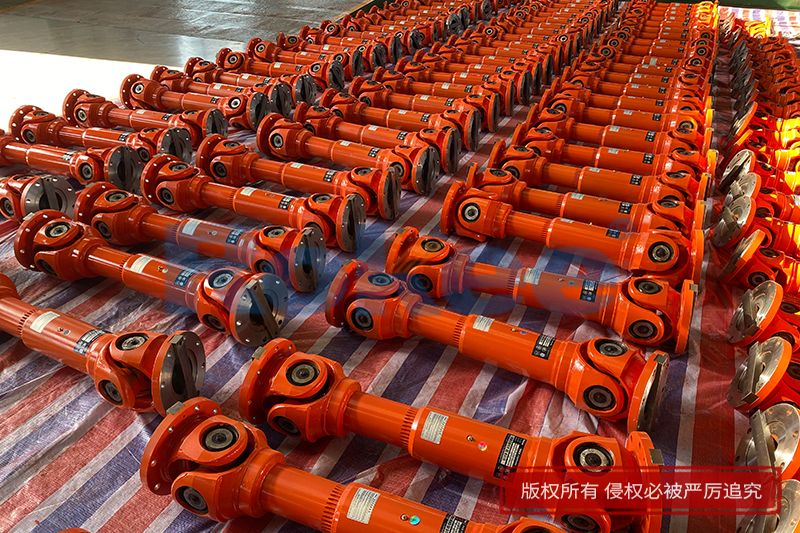
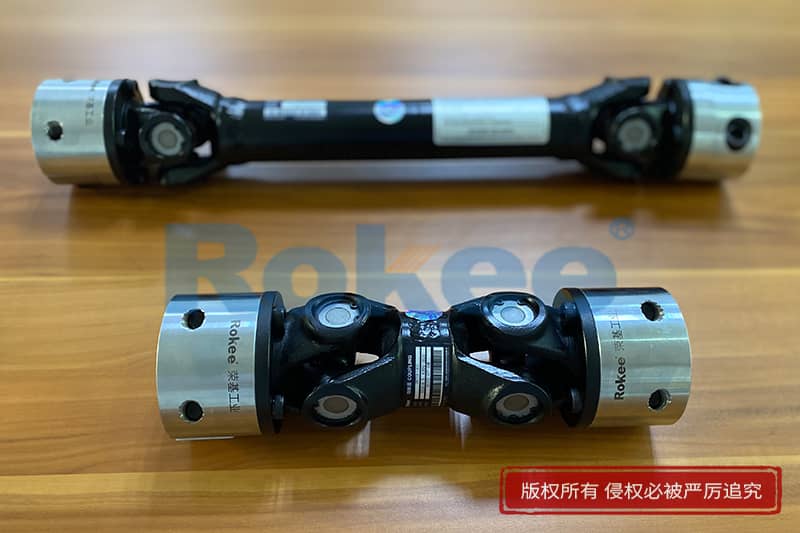
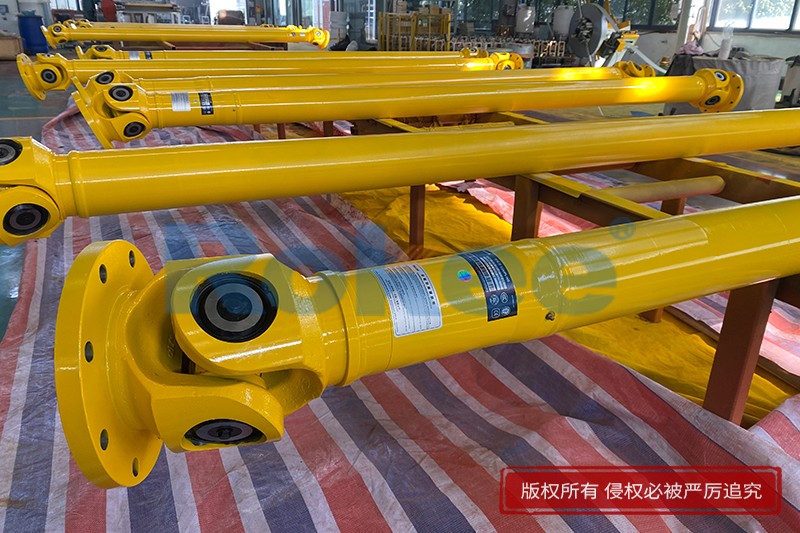
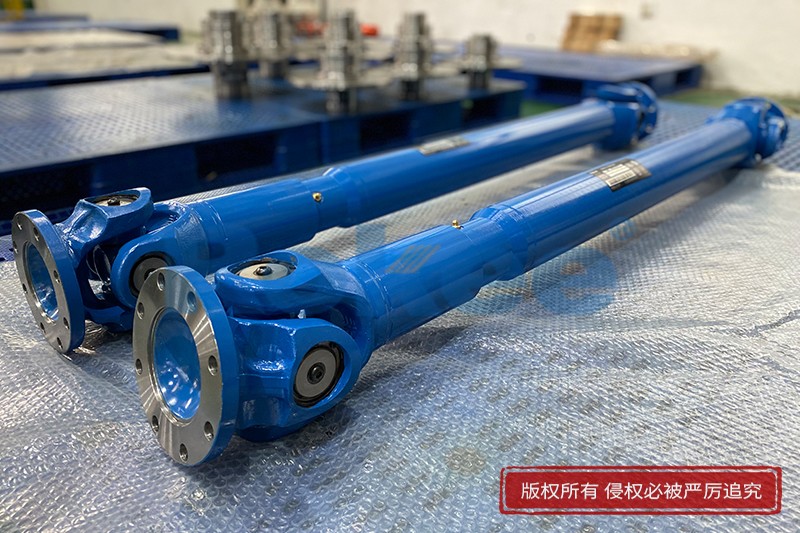
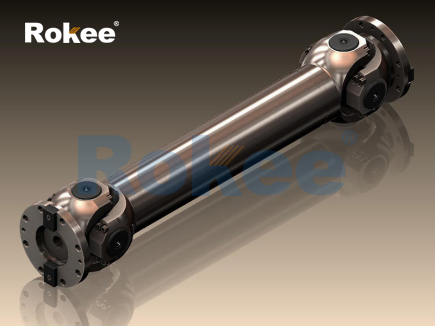
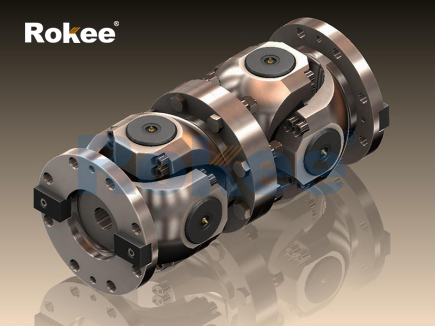
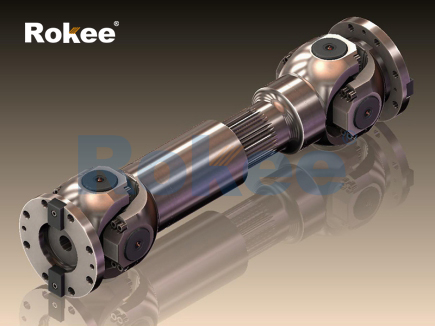
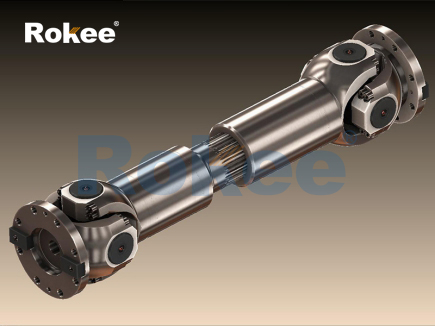
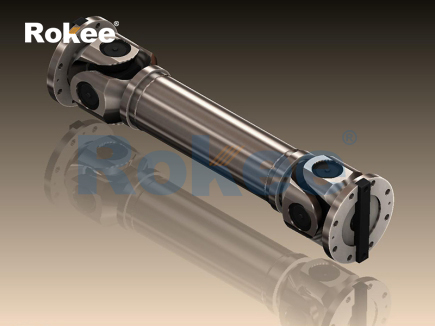
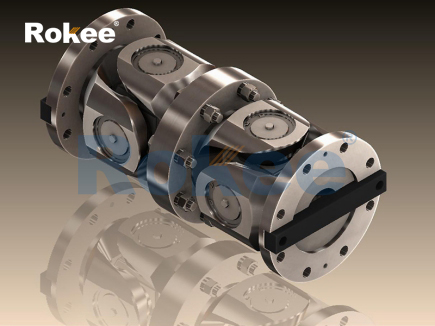
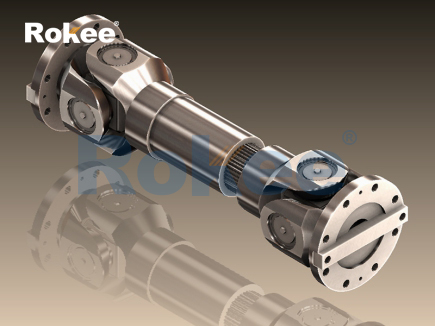
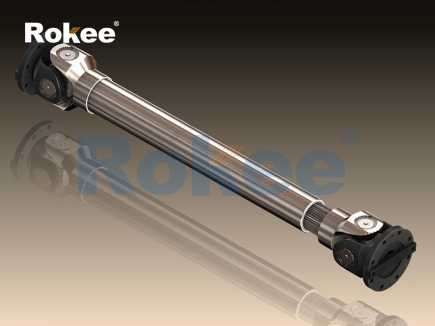
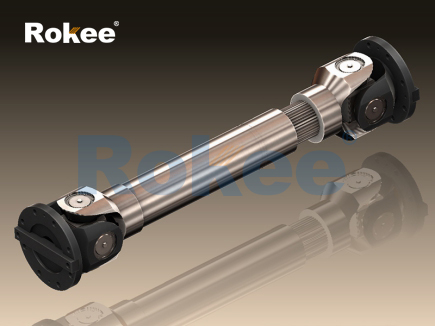
In the intricate ecosystem of mechanical power transmission, cardan drive shafts stand as one of the most indispensable mechanical components, serving as a vital connecting medium for power output and transmission across diverse industrial and mobile mechanical systems. Designed to transmit rotational torque between two shafts that are not aligned in a perfectly straight axis, these mechanical parts accommodate angular displacement, axial deviation and spatial offset during equipment operation, ensuring continuous and stable power conveyance under complex motion conditions. As core producers in the mechanical manufacturing sector, professional cardan drive shafts manufacturers focus on optimizing structural design, refining production craftsmanship, and improving material applicability to produce high-performance drive shafts that adapt to harsh working environments and long-duration operating requirements. The inherent versatility of cardan drive shafts makes them widely applicable in heavy machinery, transportation equipment, agricultural machinery, industrial transmission systems and numerous other fields, laying a solid foundation for the efficient operation of various mechanical devices.
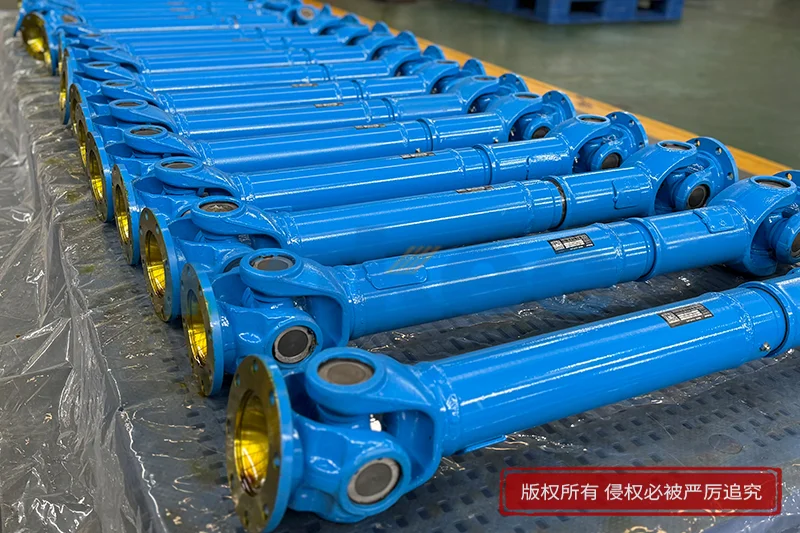
The fundamental operating logic of cardan drive shafts originates from the mechanical motion principle of universal joint transmission, which enables flexible power transfer through the coordination of multiple movable components. A complete cardan drive shaft assembly mainly consists of universal joints, intermediate shaft tubes, connecting yokes, bearing assemblies and fastening accessories, and each component undertakes distinct mechanical functions to jointly maintain the overall transmission stability. The universal joint, as the core functional unit of the entire structure, relies on cross-shaped shaft bodies and rolling bearing structures to realize angular rotation between connected shafts. When the connected mechanical components generate angle changes due to vibration, position deviation or mechanical movement, the universal joint can flexibly adjust the transmission angle without interrupting torque output. The intermediate shaft tube serves as the main bearing part for power transmission, requiring excellent torsional resistance and structural rigidity to avoid deformation or vibration amplification during high-speed rotation. Connecting yokes are responsible for locking and connecting the universal joints and shaft tubes, ensuring seamless assembly of all parts and eliminating mechanical clearance that may cause transmission lag. Such a simple and scientific structural layout endows cardan drive shafts with unique adaptability that cannot be replaced by ordinary rigid transmission shafts.
Material selection occupies a core position in the entire production process of cardan drive shafts, directly determining the service life, mechanical strength and environmental adaptability of finished products. Professional manufacturers strictly screen raw materials based on different application scenarios and load requirements, focusing on the balance of toughness, hardness and fatigue resistance of materials. High-quality alloy steel is the most commonly used raw material for main components such as shaft tubes and cross shafts, featuring high tensile strength and outstanding torsional resistance to withstand instantaneous impact loads and long-term cyclic torque in heavy-duty working conditions. For surface contact parts including bearing positions and joint friction surfaces, manufacturers adopt precise heat treatment processes to improve surface hardness, effectively reducing wear loss caused by continuous friction during operation. In addition to metal raw materials, auxiliary sealing components usually adopt high-elasticity polymer materials, which can maintain stable sealing performance under extreme temperature changes and prevent external dust, moisture and corrosive substances from invading the internal mechanical structure. Reasonable material matching not only enhances the overall mechanical performance of cardan drive shafts but also reduces the frequency of later maintenance, bringing stable operating benefits to end users.
The production and manufacturing process of cardan drive shafts involves multiple refined processing procedures, and every production link requires strict process control to ensure the consistency and reliability of product quality. The entire production flow starts with raw material inspection, where professional testing means are used to detect the chemical composition and mechanical properties of incoming metal materials to eliminate unqualified raw materials that do not meet production standards. Subsequently, rough machining is carried out through numerical control processing equipment to preliminarily shape shaft tubes, yokes and cross shafts, removing redundant materials and forming basic structural contours. After rough processing, semi-finished products undergo precision finishing, including turning, milling and grinding, to optimize the surface smoothness and dimensional accuracy of components, ensuring the tightness of assembly gaps between parts. Heat treatment is an indispensable intermediate process; through quenching and tempering treatment, the internal metal structure is optimized to eliminate processing stress and improve the fatigue resistance of components. In the final assembly stage, workers carry out standardized assembly of all parts, and conduct flexible debugging on universal joint rotation flexibility and overall structural stability. Every finished drive shaft will pass multi-round performance detection before leaving the factory, including torsional resistance testing, high-speed rotation testing and sealing performance testing, to ensure that each product can meet actual operating usage standards.
Different from single-purpose mechanical parts, cardan drive shafts have extremely diverse application scenarios, covering almost all mechanical systems that require non-coaxial power transmission. In the field of engineering machinery, these drive shafts are applied to large-scale excavators, loaders and bulldozers, undertaking power transmission between engines, gearboxes and walking mechanisms. The complex working conditions of uneven road surfaces and frequent load changes require drive shafts to have strong shock resistance and structural stability, which is fully satisfied by the optimized structure of cardan drive shafts. In agricultural production machinery, such as tractors, harvesters and irrigation equipment, cardan drive shafts connect power output ends and working components, adapting to the vibration and angle deviation generated during field operation. Their good dust resistance and corrosion resistance enable long-term stable operation in muddy and humid farm environments. In the transportation industry, medium and large commercial vehicles use cardan drive shafts to transmit power from engines to rear axles, ensuring smooth power output during vehicle acceleration, deceleration and driving on bumpy roads. Moreover, they are also widely used in industrial conveyor equipment, metallurgical machinery, mining equipment and marine auxiliary machinery, providing reliable transmission support for various industrial production links.
In actual mechanical operation, cardan drive shafts inevitably face various external loss factors, so professional manufacturers focus on structural optimization to enhance the durability and stability of products. Vibration and friction are the most common loss sources during the operation of drive shafts. Long-term high-frequency vibration may cause structural fatigue of metal components, while continuous friction will lead to surface wear of moving parts. To solve these problems, manufacturers optimize the dynamic balance of shaft tubes during production, using precision detection equipment to correct rotational deviation and reduce vibration amplitude during high-speed operation. Meanwhile, the built-in high-precision bearings and lubrication structures are designed to reduce friction resistance between moving parts, and the matching sealing structures can lock internal lubricants to realize long-term lubrication protection. In terms of corrosion resistance, manufacturers adopt surface treatment technologies such as shot blasting and anti-corrosion coating to isolate metal components from external corrosive media, slowing down oxidation and rusting of materials in humid and corrosive environments. For heavy-load working conditions, the local thickening design of stress concentration parts and the integrated forging molding process effectively improve the structural compression resistance, avoiding fracture deformation caused by instantaneous overload.
The technical research and development capabilities of manufacturers are the core driving force for the iterative upgrading of cardan drive shaft products. With the continuous advancement of modern mechanical manufacturing technology, the industry has put forward higher requirements for the lightweight, high efficiency and environmental adaptability of drive shafts. Excellent manufacturers keep optimizing product design through mechanical simulation technology, using digital modeling to simulate the stress distribution and motion track of drive shafts under different working conditions, so as to adjust component size and structural layout in a targeted manner. In terms of lightweight improvement, on the premise of ensuring mechanical strength, manufacturers optimize the hollow structure of shaft tubes and adopt high-strength lightweight alloy materials to reduce the overall weight of drive shafts, which helps reduce the energy consumption of mechanical operation. In addition, aiming at the low-temperature brittleness and high-temperature aging problems of traditional products, manufacturers improve material formulas and processing technologies to expand the applicable temperature range of products, enabling cardan drive shafts to maintain stable performance in extreme cold and high-temperature working environments. The continuous investment in research and development not only improves the comprehensive performance of products but also promotes the overall technological progress of the power transmission component manufacturing industry.
Reasonable installation, operation and daily maintenance are crucial to prolong the service life of cardan drive shafts, and manufacturers will provide standardized usage guidance to help users realize scientific product management. During the installation process, it is necessary to ensure the coaxiality of the connecting end faces and control the assembly torque of fastening parts to avoid structural deformation caused by excessive locking force or transmission clearance caused by insufficient fastening. In the daily operation of mechanical equipment, sudden overload and long-term high-speed idling should be reduced, so as to avoid irreversible damage to the internal structure of the drive shaft caused by instantaneous impact load. Regular maintenance work includes checking the sealing integrity of joints, supplementing professional lubricating oil, cleaning external dust and dirt, and observing whether there is abnormal vibration and noise during operation. Timely replacement of aging sealing parts and worn bearings can effectively prevent minor faults from evolving into major structural damage. Standardized maintenance measures can not only maintain the stable transmission performance of cardan drive shafts but also reduce the replacement frequency of parts, saving operating costs for users in the long run.
From the perspective of industrial development, cardan drive shafts, as basic general mechanical components, occupy an important position in the global mechanical manufacturing industrial chain. With the continuous expansion of infrastructure construction, agricultural modernization and industrial intelligent production, the market demand for high-quality cardan drive shafts has maintained a steady growth trend. Modern manufacturers are gradually transforming from single product production to integrated service providers, focusing on matching differentiated products according to the personalized needs of different industries. For light-load civilian mechanical equipment, manufacturers produce compact and lightweight drive shafts with simple structures; for heavy-duty industrial and mining machinery, they develop thickened and reinforced high-load-resistant products. At the same time, with the popularization of green manufacturing concepts, manufacturers are optimizing production processes to reduce energy consumption and waste discharge in the production process, realizing the coordinated development of production efficiency and environmental protection. In the future, with the deep integration of intelligent manufacturing and mechanical engineering technology, cardan drive shafts will develop towards higher precision, stronger durability and smarter structural adaptation, and professional manufacturers will continue to play an irreplaceable supporting role in the upgrading of the global mechanical transmission industry.
- Tags:
- Cardan Drive Shafts ,
- sandwich panel line ,
- sandwich panel machine
- pu sandwich panel machine
« Cardan Drive Shafts Manufacturer » Latest Update Date: May 9, 2026
https://www.rokeecoupling.net/blog/cardan-drive-shafts-manufacturer.html