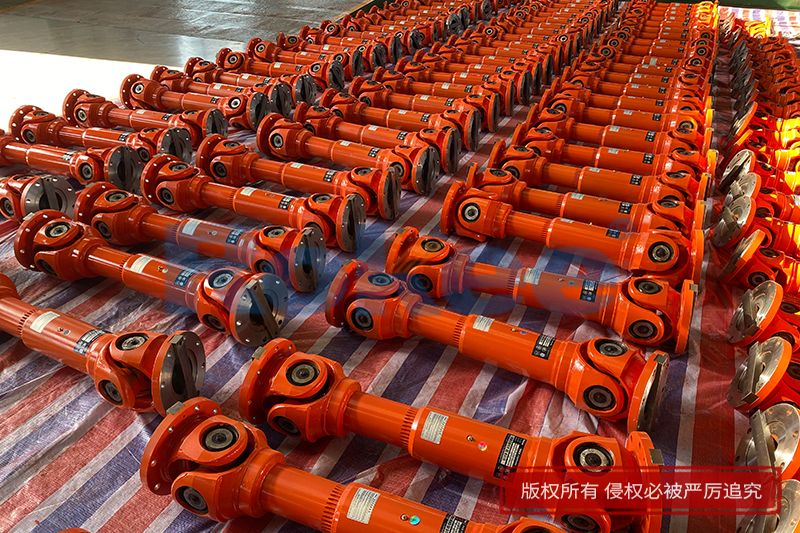
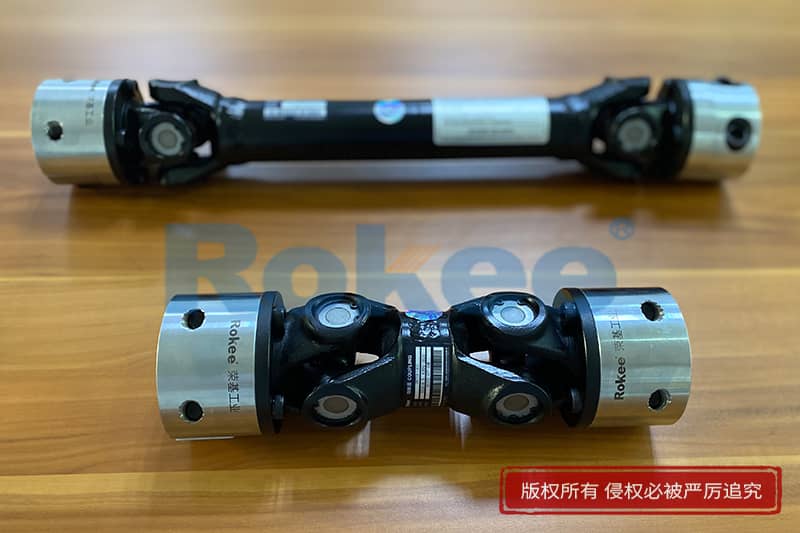
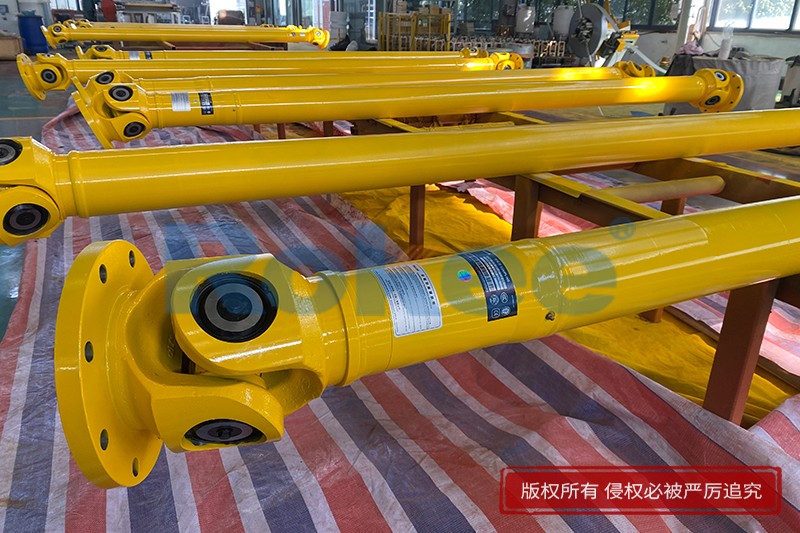
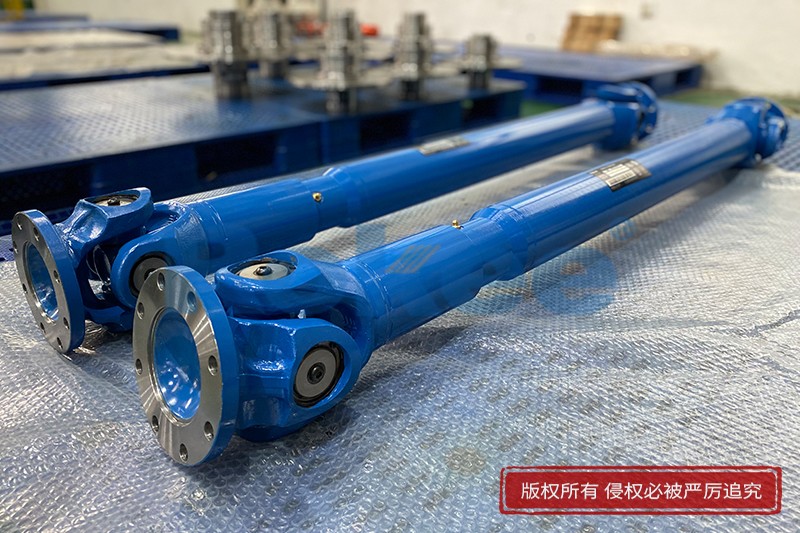
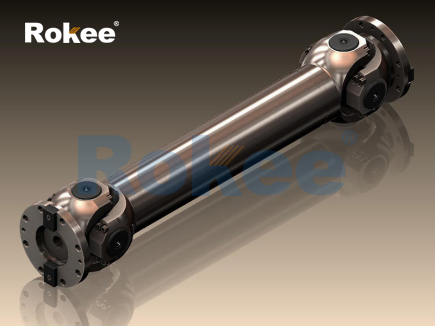
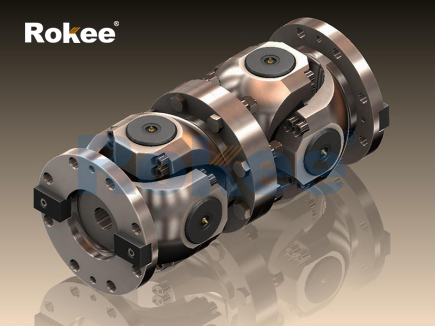
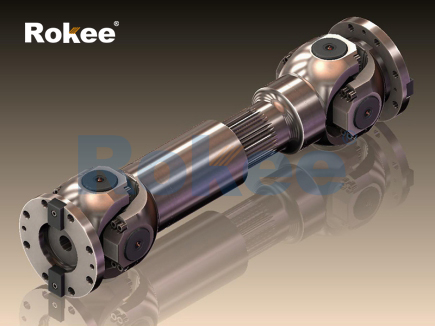
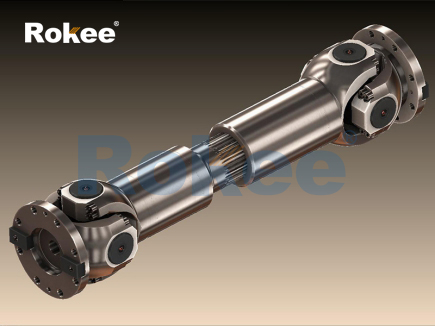
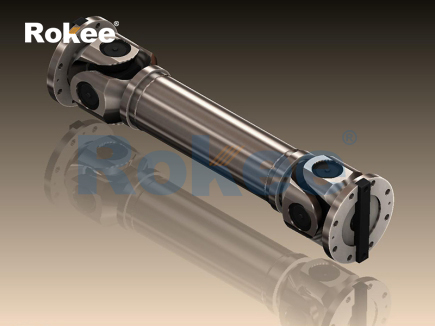
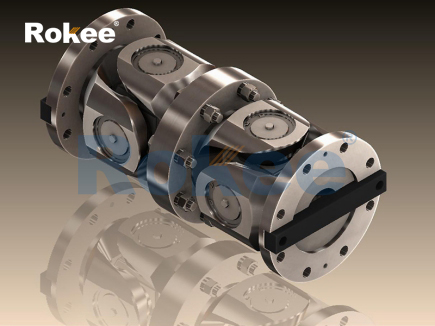
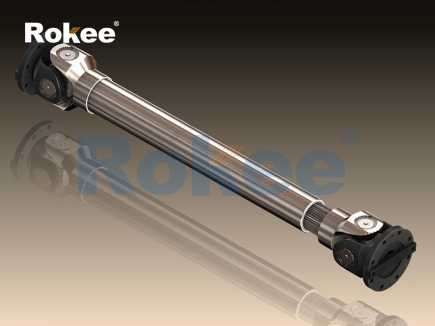
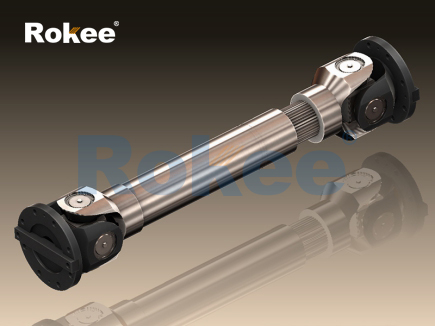
In the intricate ecosystem of mechanical power transmission, cardan shafts stand as one of the most indispensable mechanical components, serving as a critical connecting medium that bridges disjointed power units and enables stable torque transfer under complex motion conditions. As core industrial suppliers, cardan shafts manufacturers dedicate themselves to the research, development, and production of high-performance transmission parts that adapt to diverse operating environments, catering to the ever-evolving demands of heavy machinery, transportation, industrial processing, and engineering equipment sectors. The inherent value of cardan shafts lies in their unique structural adaptability, which allows them to transmit rotational power between two shafts with misaligned axes, whether the deviation manifests as angular displacement, parallel offset, or composite spatial displacement. This irreplaceable functional advantage makes these shafts a fundamental component in countless mechanical systems, and professional manufacturing practices determine the service life, operational stability, and comprehensive performance of each finished cardan shaft in practical application scenarios.
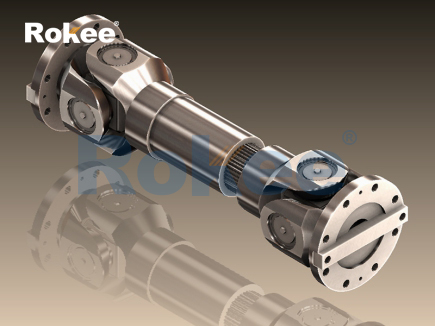
The fundamental operational logic of cardan shafts originates from the ingenious design of universal joint structures, which constitute the core functional section of the entire shaft assembly. Each standard cardan shaft is assembled with multiple universal joints, intermediate shaft bodies, connecting flanges, and sliding spline components, and every structural part undergoes meticulous mechanical optimization to coordinate with power transmission movements. When mechanical equipment is in operation, the universal joints can flexibly adjust the transmission angle following the vibration, torsion, and position deviation of the connected equipment. This flexible adjustment capability effectively eliminates the mechanical stress generated by rigid connection methods, preventing excessive torque loss and component wear caused by axis misalignment. The sliding spline structure embedded in the shaft body further complements the functional performance, enabling the axial length of the cardan shaft to change dynamically according to the working stroke of the equipment. This adaptive length adjustment offsets the distance variation between power output ends and execution ends during mechanical operation, ensuring continuous and consistent power transmission without interruption. For manufacturers, mastering the precise matching technology of these core structures is the primary prerequisite for producing qualified cardan shafts, as unreasonable structural coordination will directly lead to vibration amplification, noise increase, and even structural fracture during high-load operation.
Material selection occupies a decisive position in the entire manufacturing process of cardan shafts, and professional manufacturers always adhere to stringent material screening standards based on application scenarios and load parameters. Most high-quality cardan shafts adopt high-strength alloy steel as the raw material for shaft bodies and universal joint brackets, for this type of material possesses excellent tensile strength, fatigue resistance, and torsional resistance. In long-term alternating load working environments, alloy steel can effectively resist metal fatigue and avoid brittle fracture caused by frequent torque impact. For the rolling pins and bearing parts inside universal joints, manufacturers select wear-resistant alloy materials with high surface hardness, which reduce friction loss during relative motion and extend the service cycle of vulnerable parts. In addition to metal base materials, auxiliary sealing materials and shock-absorbing accessories also undergo careful selection. Elastic rubber and polymer composite materials are commonly used for sealing components, which can isolate external dust, moisture, and corrosive substances from entering the internal movement gap, while mitigating subtle vibration generated during power transmission. Manufacturers will also adjust material formulas appropriately according to special working conditions; for example, components used in high-temperature or corrosive environments will adopt anti-oxidation and anti-corrosion alloy materials to enhance environmental adaptability. Every material selection decision is based on repeated mechanical performance tests, ensuring that the finished cardan shaft maintains stable physical properties under extreme working conditions such as heavy load, high speed, and variable temperature.
The production flow of cardan shafts involves multiple precise processing procedures, and each manufacturing link requires strict process control to guarantee overall component accuracy. The entire production process starts with raw material forging, where the selected metal blanks are heated and forged to refine the internal metal grain structure. Forging treatment eliminates the internal pores and impurities of raw materials, improving the compactness and mechanical strength of the shaft body, which is an essential step to prevent structural deformation under heavy torque. After forging, semi-finished products enter the machining stage, including turning, milling, and drilling processes to shape the overall structure of the shaft body, universal joint brackets, and connecting flanges. Advanced numerical control processing equipment is widely used in this stage to control the dimensional tolerance of each component within an extremely narrow range, ensuring the seamless assembly of subsequent parts. The matching clearance between universal joint rolling pins and bearing holes needs particularly precise control, as excessive clearance will cause mechanical vibration and abnormal noise, while overly tight clearance will increase friction resistance and reduce transmission efficiency. Following machining, heat treatment processes such as quenching and tempering are implemented to adjust the hardness and toughness of components. Reasonable heat treatment parameters can balance the surface hardness and internal toughness of the shaft body, making it resistant to surface wear while avoiding overall brittle fracture under sudden impact loads. The final stage of production includes surface polishing, anti-rust treatment, and component assembly, where workers conduct manual inspection on each assembled cardan shaft to eliminate assembly defects.
Performance testing is an indispensable quality control link for cardan shafts manufacturers, acting as the last barrier to ensure product applicability and reliability. A complete testing system covers static mechanical performance detection and dynamic operation simulation tests. In static detection, professional testing equipment is used to apply fixed torque and pressure to finished shafts to verify their torsional resistance, compression resistance, and structural stability. This test screens out products with insufficient structural strength and hidden internal cracks. Dynamic simulation tests are closer to actual working conditions, simulating the continuous operation of cardan shafts under different rotation speeds, deflection angles, and load weights. During the test, monitoring equipment records real-time data such as torque transmission efficiency, vibration amplitude, and operating temperature changes. Unqualified products with excessive vibration, low transmission efficiency, or abnormal temperature rise will be returned for secondary optimization and processing. In addition to mechanical performance tests, manufacturers also conduct durability fatigue tests, arranging long-term uninterrupted operation tests to observe component wear and structural aging rules. The data obtained from these tests not only ensures the quality of finished products but also provides empirical support for subsequent product structure optimization and process improvement.
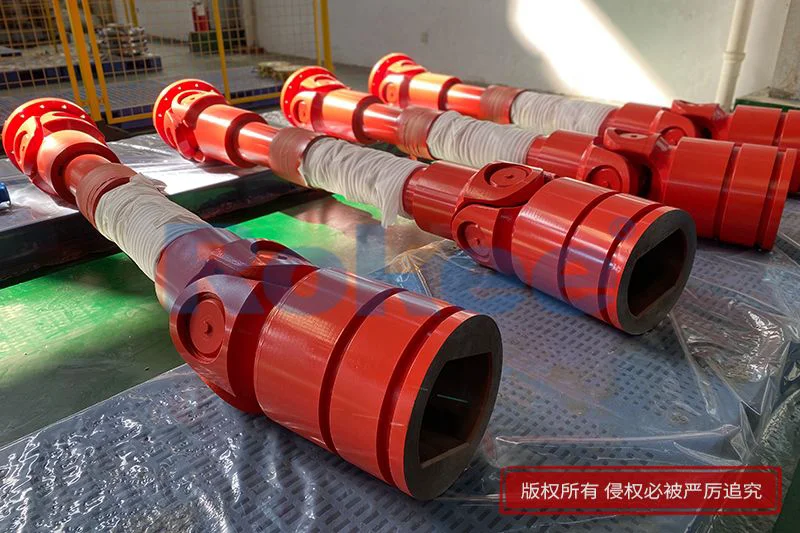
Cardan shafts exhibit extensive application coverage across various industrial fields, and manufacturers continuously optimize product design to meet the differentiated needs of diverse industries. In the transportation industry, these shafts are applied to commercial vehicles, engineering vehicles, and special transportation equipment, undertaking the torque transmission task between engines, gearboxes, and drive axles. The excellent deflection adaptability of cardan shafts compensates for the position offset of power components caused by vehicle jolting during driving, ensuring stable power output of vehicles. In the field of engineering machinery, large-scale equipment such as excavators, cranes, and bulldozers relies on heavy-duty cardan shafts to complete power transmission between hydraulic power units and working actuators. Such engineering scenarios require shafts to bear ultra-high instantaneous torque and complex alternating loads, putting forward higher requirements for structural strength and impact resistance. In industrial production workshops, cardan shafts are installed on automated production lines, transmission machinery, and processing equipment to realize synchronous operation of multiple mechanical units. The compact structural design and flexible installation characteristics make them suitable for limited installation spaces in automated production lines. Moreover, in agricultural machinery, mining equipment, and marine mechanical systems, customized cardan shaft products also play an irreplaceable role, adapting to harsh working environments such as field mud, mine dust, and marine humidity.
In the actual application process, the service life and operating state of cardan shafts are closely related to daily maintenance habits, and professional manufacturers will summarize standardized maintenance guidelines for users to reduce unnecessary component loss. Regular lubrication is the most basic maintenance measure; injecting high-performance lubricating oil into the universal joint movement gap can reduce friction coefficient between moving parts, lower operating temperature, and slow down metal wear. Users need to check the sealing state of rubber accessories regularly, replacing aging and cracked sealing gaskets in time to prevent external impurities from entering the internal movement structure. It is also necessary to inspect the connection tightness of flanges and fasteners periodically, as loose connections will cause axial deviation and vibration amplification during operation, accelerating component fatigue damage. In addition, avoiding long-term overload operation is crucial to extend the service life of cardan shafts; continuous overload torque will exceed the fatigue limit of metal materials, leading to irreversible structural deformation. Manufacturers also optimize product maintainability in the design stage, adopting modular structural design to simplify the disassembly and replacement of vulnerable parts, reducing the maintenance difficulty and time cost for users.
With the continuous advancement of industrial manufacturing technology, the development direction of cardan shafts manufacturing is gradually leaning toward lightweight, high efficiency, and intelligent optimization. Modern manufacturers continuously explore new alloy composite materials to reduce the self-weight of cardan shafts while maintaining mechanical strength, which helps lower the overall energy consumption of mechanical equipment during operation. In terms of structural design, streamlined shaft body structures and optimized universal joint connection angles are adopted to reduce air resistance and mechanical friction loss, improving power transmission efficiency. Digital production technology has also been widely applied in the manufacturing process; intelligent processing equipment and automated assembly lines effectively reduce human error, improving product dimensional consistency and production efficiency. Meanwhile, manufacturers pay attention to personalized customized services, carrying out targeted structural improvement and parameter optimization according to users' special working environment, load range, and installation space. This customized production mode enables cardan shafts to adapt to more refined and specialized industrial application scenarios, breaking the limitations of single standard product performance.
The competitive core of cardan shafts manufacturers lies in technological accumulation, production experience, and quality control capabilities. Mature manufacturers have long-term technical reserves in material research and development, structural mechanics calculation, and process optimization, able to quickly respond to the differentiated product demands of different industries. In the production management process, standardized production procedures and complete testing systems ensure that every batch of products maintains stable quality. Beyond product manufacturing, high-quality manufacturers also provide comprehensive after-sales technical services, including installation guidance, operation training, and fault diagnosis, helping users rationally arrange product installation positions and use methods to maximize component performance. In the increasingly competitive industrial component market, manufacturers with excellent manufacturing strength and service awareness can establish long-term stable cooperative relationships with downstream enterprises, realizing mutual growth in the industrial chain.
Looking ahead, as global industrial upgrading accelerates and the requirements for mechanical equipment energy conservation, environmental protection, and operational stability continue to improve, the development potential of the cardan shafts manufacturing industry remains enormous. The continuous innovation of material science and processing technology will further enhance the comprehensive performance of cardan shafts, making them more adaptable to extreme working conditions such as ultra-low temperature, high pressure, and strong corrosion. The integration of intelligent monitoring technology will also become an important development trend; embedding sensing components into cardan shaft structures can realize real-time monitoring of operating parameters such as torque, vibration, and temperature, providing data support for equipment fault early warning and predictive maintenance. Driven by market demand and technological innovation, cardan shafts manufacturers will continue to deepen technological research and development, optimize production processes, and constantly launch higher-quality transmission components to provide solid basic support for the stable operation of the global mechanical manufacturing industry. As an important part of the industrial basic component industry, cardan shafts manufacturing will always adhere to the core concept of precision manufacturing and reliable performance, escorting the efficient operation of various mechanical equipment in diverse industrial fields.
- Tags:
- Cardan Shaft Couplings ,
- Industrial Cardan Shafts ,
- Cardan Shafts ,
- Cross Cardan Shafts ,
- sandwich panel line ,
- sandwich panel machine
- pu sandwich panel machine
« Cardan Shafts Manufacturer » Latest Update Date: May 9, 2026
https://www.rokeecoupling.net/blog/cardan-shafts-manufacturer.html