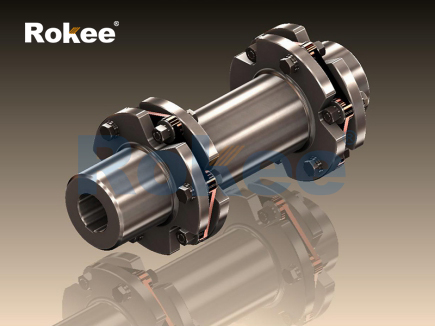
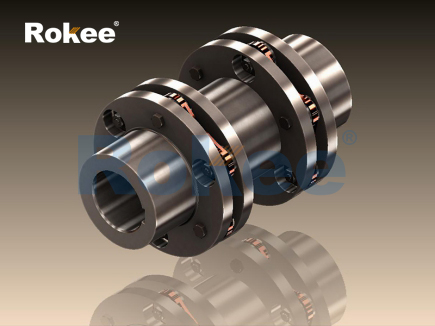
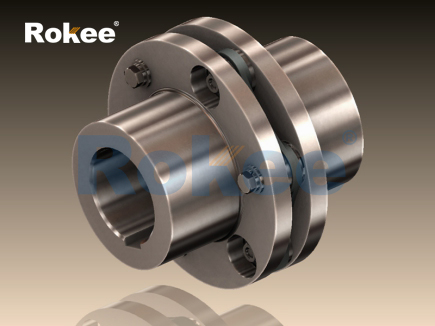
Diaphragm couplings stand as one of the most indispensable mechanical transmission components in modern industrial machinery, serving as a critical connecting medium between driving shafts and driven shafts across diverse mechanical systems. Designed to transmit torque steadily while accommodating minor shaft misalignments, this type of coupling relies on the elastic deformation of thin metal diaphragms to realize power transmission, distinguishing itself from traditional flexible couplings with unique structural rationality and superior mechanical performance. In industrial catalog compilation and mechanical selection documents, diaphragm couplings always occupy an important position, reflecting their irreplaceable application value in precision manufacturing, high-speed operation and long-cycle mechanical transmission scenarios. This catalogue elaborates on the structural composition, working mechanisms, core classifications, material characteristics, performance attributes, application boundaries, assembly logic and maintenance principles of diaphragm couplings, providing comprehensive and systematic reference content for mechanical researchers, equipment operators and industrial design practitioners.
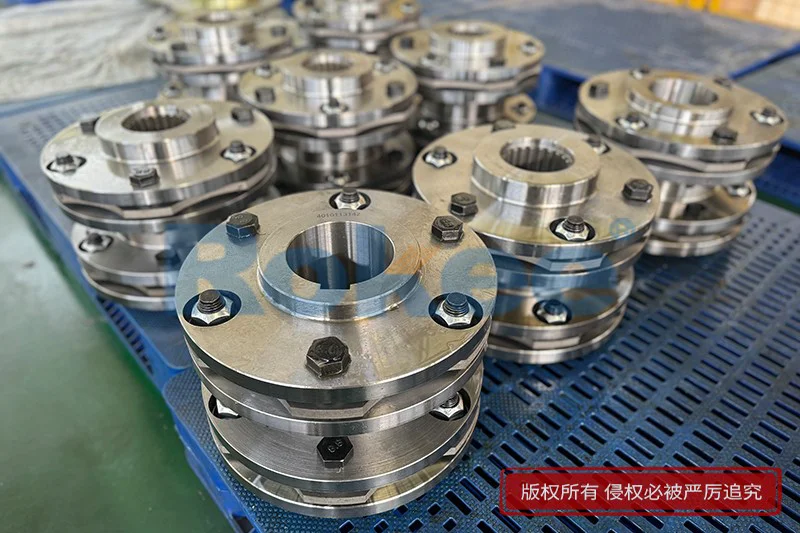
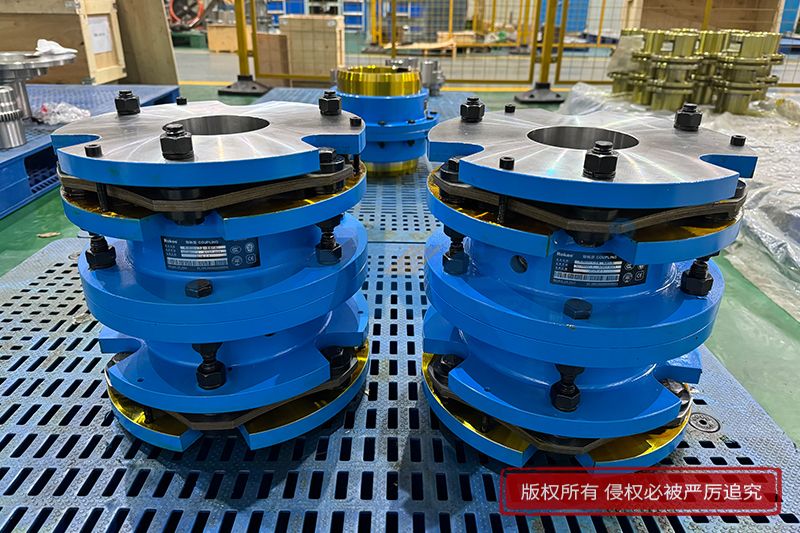
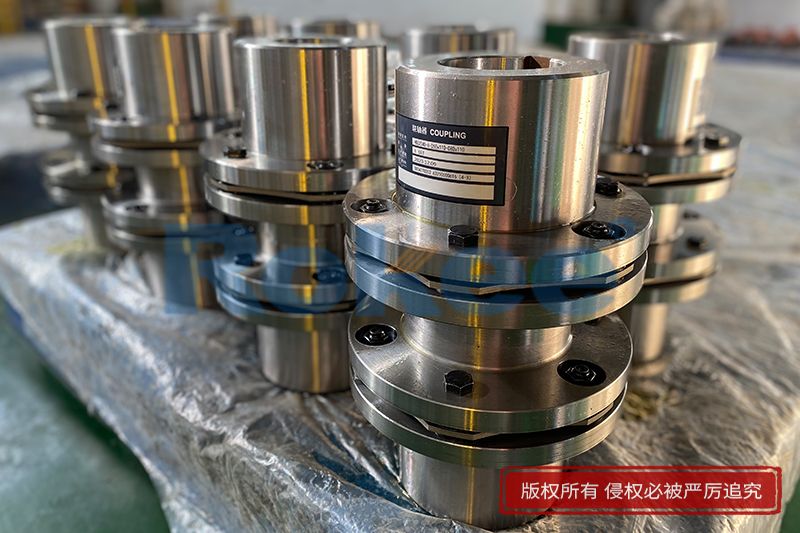
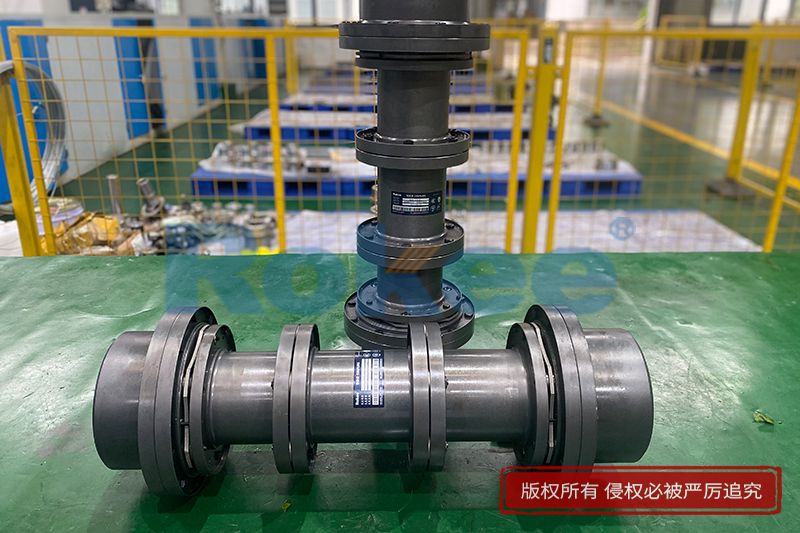
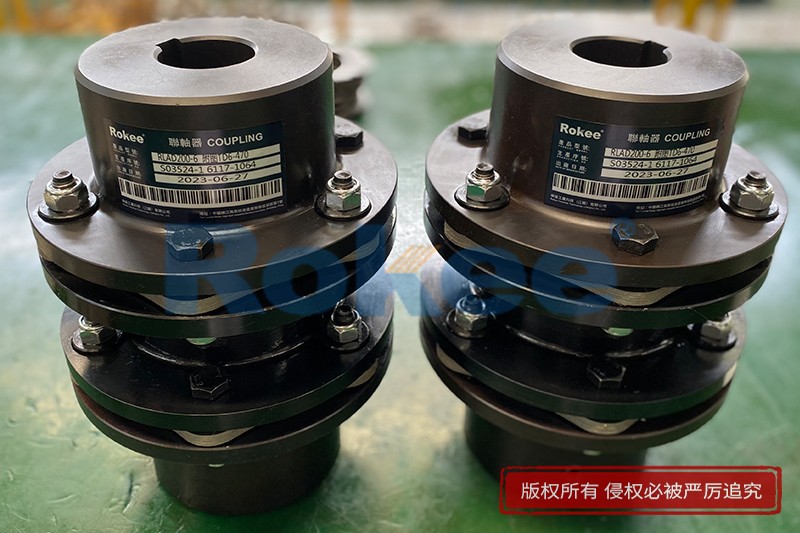
The basic structural composition of diaphragm couplings follows a concise and rigorous mechanical design logic, with all components focusing on efficient torque transmission and flexible displacement compensation. The core functional component is the metal diaphragm group, which is commonly composed of multiple superimposed thin metal sheets. These diaphragm sheets are processed into regular geometric shapes with smooth and uniform thickness, ensuring consistent elastic deformation under stress. On both sides of the diaphragm group, metal flanges are arranged symmetrically to connect with the driving shaft and driven shaft respectively. High-strength fasteners are used to fasten the flanges and diaphragms tightly, eliminating clearance between matching parts and achieving backlash-free power transmission. Some improved diaphragm couplings are equipped with intermediate sleeves between two sets of diaphragm components, which effectively expand the displacement compensation range and adapt to more complex shaft connection distances. All structural parts adopt an integrated assembly mode without additional movable friction accessories, laying a solid foundation for low wear and long service life of the coupling.
The working principle of diaphragm couplings is based on the elastic deformation characteristics of metal materials, realizing torque transmission and displacement compensation through the reversible deformation of diaphragm sheets. During the operation of mechanical equipment, the driving shaft generates rotational torque, which is transmitted to the connected flange and then evenly acts on the diaphragm group through fasteners. The metal diaphragms undergo tiny elastic torsion deformation under the action of torque, and the deformation force drives the other side flange and the driven shaft to rotate synchronously, thereby completing the continuous transmission of power. In actual mechanical operation, limited by installation accuracy, equipment vibration and thermal expansion of metal parts, axis deviation inevitably exists between the driving shaft and the driven shaft, including axial displacement, radial offset and angular deflection. The thin-wall structure of metal diaphragms can produce gentle elastic deformation in multiple directions to adapt to these deviations, avoiding rigid extrusion and mechanical friction between shafts. This elastic compensation mechanism effectively reduces the additional load on mechanical bearings and rotating parts, lowering the vibration amplitude of the overall transmission system during operation.
According to structural differences and combination forms, diaphragm couplings can be divided into two mainstream types: single-diaphragm couplings and double-diaphragm couplings, each with distinct applicable working conditions. Single-diaphragm couplings adopt an integrated single-group diaphragm structure, featuring compact overall size, light weight and low moment of inertia. This structural form has high torsional rigidity and excellent synchronous transmission performance, which is suitable for short-distance shaft connection and precision transmission scenarios with small displacement deviation. However, due to the limitation of single-layer structural space, its axial and angular displacement compensation capabilities are relatively weak, making it more suitable for stable operating environments with low vibration and high installation accuracy. Double-diaphragm couplings are composed of two independent diaphragm groups and intermediate connecting parts, with a more flexible deformation range. The intermediate sleeve can balance the stress distribution of the two groups of diaphragms, significantly improving the comprehensive compensation ability for axial, radial and angular displacements. Although the overall structure is slightly larger and the assembly process is more complicated, this type of coupling can adapt to harsh working conditions such as frequent equipment startup, large operating vibration and temperature change-induced shaft expansion, showing stronger environmental adaptability in complex industrial scenes.
Material selection determines the fundamental mechanical properties and service life of diaphragm couplings, and metal stainless steel and high-strength alloy steel have become the mainstream manufacturing materials for diaphragm sheets. These metal materials have outstanding fatigue resistance, and can maintain stable mechanical properties after tens of millions of cyclic deformations without permanent structural damage. The uniform internal metal texture effectively avoids stress concentration during deformation, preventing local cracking and fracture of diaphragms under long-term alternating loads. In terms of surface processing, the diaphragms adopt fine polishing and smooth cutting processes to eliminate burrs and microscopic cracks on the surface, reducing metal fatigue caused by friction and stress concentration. The flange and fastener materials are matched with the diaphragms in terms of hardness and toughness, ensuring consistent stress bearing capacity of the overall structure. In addition, selected metal materials have good corrosion resistance and temperature adaptability, resisting oxidation and corrosion in humid and dusty industrial environments, and maintaining stable transmission performance within a wide temperature range without performance degradation caused by ambient temperature changes.
Diaphragm couplings possess a series of prominent performance advantages that make them widely favored in modern industrial transmission systems. First of all, they achieve completely backlash-free torque transmission, and the tight fit between components ensures no idle rotation during torque transmission, which can accurately feed back motion signals and meet the high-precision positioning requirements of sophisticated mechanical equipment. Secondly, the torsional rigidity of the structure is high, and the deformation amplitude is small during high-speed rotation, which effectively guarantees the synchronization of shaft rotation and avoids transmission efficiency loss caused by torsional deformation. The transmission efficiency of qualified diaphragm couplings can reach more than ninety-nine point five percent, realizing efficient energy conversion in the power transmission process. Moreover, the all-metal structure does not require lubricating media such as grease, eliminating the maintenance links of regular oil injection and lubricant replacement. There are no vulnerable friction parts inside the coupling, and the long-term stable operation can be realized with minimal manual maintenance. In terms of vibration reduction, the elastic deformation of metal diaphragms can absorb tiny vibration and impact generated by equipment startup and load fluctuation, smoothing the operation state of the transmission system and reducing mechanical noise.
In terms of application scenarios, diaphragm couplings cover multiple industrial fields involving mechanical power transmission, showing strong scene compatibility. In the field of precision manufacturing equipment, they are applied to numerical control machine tools, automated processing centers and servo transmission systems, providing accurate power guarantee for precision processing and positioning. In high-speed rotating machinery such as industrial pumps, centrifugal fans and compressors, the couplings adapt to high-speed operating conditions and suppress shaft vibration to ensure stable long-term operation of fluid conveying equipment. In heavy-duty mechanical systems including large-scale transmission equipment and power generation machinery, their high torque bearing capacity meets the power transmission demand of heavy-load equipment. Additionally, in chemical, pharmaceutical and food processing industries with high environmental cleanliness requirements, the all-metal sealed structure avoids lubricant leakage and pollution, complying with strict industrial production standards. Whether it is a compact precision mechanical device or a large-scale heavy industrial unit, diaphragm couplings can complete stable transmission tasks after reasonable model matching and structural optimization.
The assembly and installation process of diaphragm couplings has standardized operation logic, and standardized installation steps are crucial to exerting their optimal performance. Before assembly, workers need to check the flatness of diaphragms, the integrity of fasteners and the smoothness of flange matching surfaces to exclude parts with deformation, scratches and structural defects. During the installation process, the coaxiality of the driving shaft and the driven shaft should be accurately calibrated to minimize initial installation deviation and reduce the operating load of diaphragms. The fastening of bolts needs to follow the symmetrical and graded tightening method to ensure uniform stress on the contact surface between flanges and diaphragms, avoiding structural deformation caused by uneven fastening force. After the assembly is completed, a no-load test operation is required to observe the rotation stability of the coupling, check for abnormal vibration and noise, and confirm that there is no radial runout deviation during operation. Scientific assembly and installation can effectively prolong the service life of couplings and avoid mechanical failures caused by irregular installation.
Daily maintenance and fault judgment methods of diaphragm couplings are simple and efficient, matching the low-maintenance design concept of industrial parts. In daily equipment operation, regular visual inspection is the main maintenance method, focusing on observing whether there are cracks, corrosion and deformation on the surface of metal diaphragms, and checking whether the fasteners are loose or displaced. For equipment operating in high-vibration and high-load environments, the stress state of key connecting parts should be inspected regularly to eliminate potential hidden dangers of structural fatigue. In terms of fault judgment, abnormal vibration and noise during equipment operation are the most intuitive fault signals, which usually indicate excessive shaft deviation or loose fasteners. If the transmission synchronization decreases and the mechanical positioning accuracy deviates, it may be caused by fatigue deformation of diaphragms. Once abnormal conditions are found, the equipment should be shut down in time for inspection and adjustment, and severely deformed or fatigued parts should be replaced to ensure the safe operation of the mechanical system.
With the continuous upgrading of industrial manufacturing technology, the production process and structural design of diaphragm couplings are also constantly optimized and iterated. Modern precision machining technology further improves the flatness and thickness uniformity of diaphragms, enhancing the deformation stability and fatigue resistance of products. The optimized flange structure reduces the overall weight of the coupling while ensuring torque bearing capacity, lowering the rotational inertia during high-speed operation. In terms of material research and development, new high-strength alloy materials are gradually applied to the production of diaphragm components, which can adapt to higher temperature, stronger corrosion and heavier load working conditions. In the future development trend, diaphragm couplings will develop towards miniaturization, high precision and strong durability, and will be more widely used in emerging fields such as intelligent manufacturing equipment and new energy power machinery.
As a mature and high-performance mechanical transmission component, diaphragm couplings integrate simple structural design, excellent mechanical properties and convenient maintenance characteristics. This catalogue systematically sorts out the relevant knowledge of diaphragm couplings from multiple dimensions, including internal structure, deformation principle, product classification, material characteristics, performance advantages, application fields, installation specifications and maintenance methods. In complex industrial mechanical systems, diaphragm couplings undertake the important task of connecting power components, balancing shaft deviation and optimizing operating status. Their reliable working performance not only reduces the failure rate of mechanical equipment, but also cuts down the long-term operation and maintenance costs of industrial production. With the continuous progress of industrial technology, diaphragm couplings will always maintain important application value in the mechanical transmission industry and become an indispensable basic component to support the stable operation of modern industrial machinery.
- Tags:
- Diaphram Couplings ,
- sandwich panel line ,
- sandwich panel machine
- pu sandwich panel machine
« Catalogue of Diaphram Couplings » Latest Update Date: May 9, 2026
https://www.rokeecoupling.net/blog/catalogue-of-diaphram-couplings.html