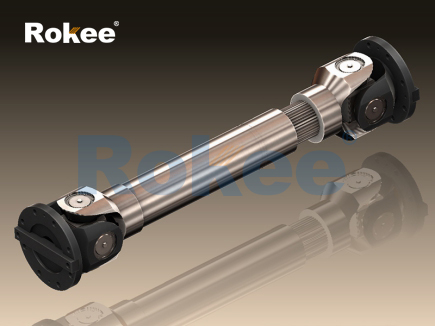
Industrial cardan shafts stand as indispensable mechanical transmission components in modern industrial systems, serving as critical connecting structures that transmit rotational torque and motion between non-coaxial mechanical parts. Unlike rigid transmission shafts that rely on strictly aligned axis positions for power transfer, cardan shafts adopt a flexible articulated structural design, which enables stable and continuous power transmission while compensating for angular, axial and radial deviations between driving and driven shafts. This unique adaptive capability makes them widely applicable in complex industrial operating environments where equipment installation deviations, dynamic displacement and angular position changes inevitably occur during long-term operation. As a core part of mechanical transmission systems, cardan shafts cover almost all heavy-duty and high-precision mechanical operation scenarios, providing reliable power connection guarantees for the stable operation of industrial equipment.
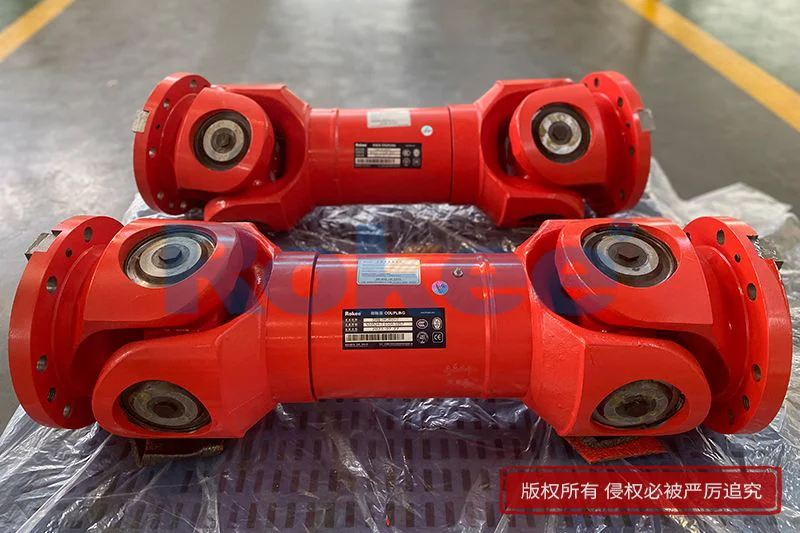
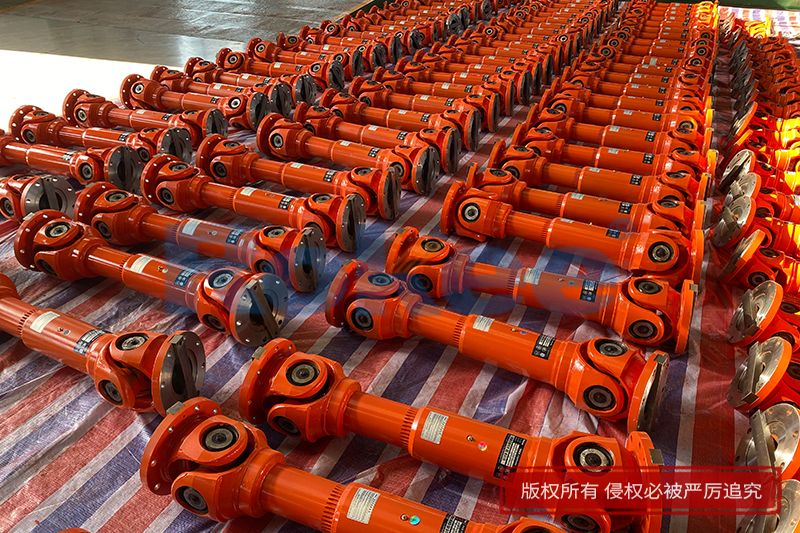
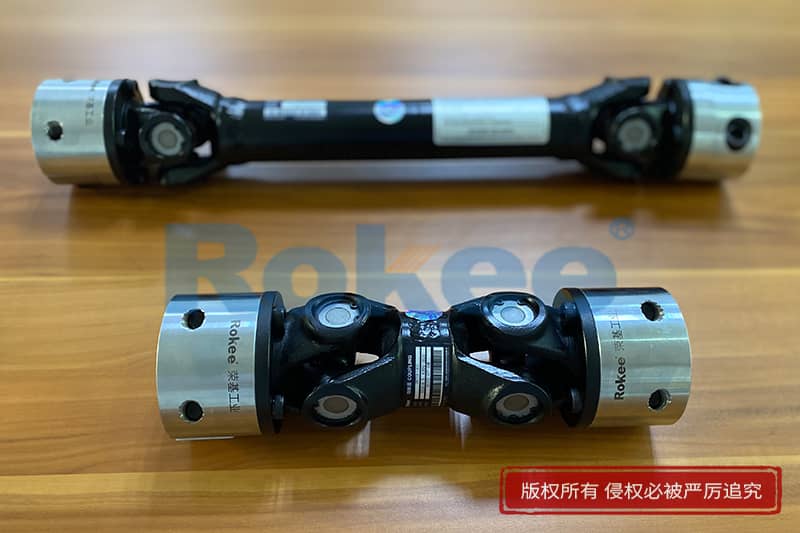
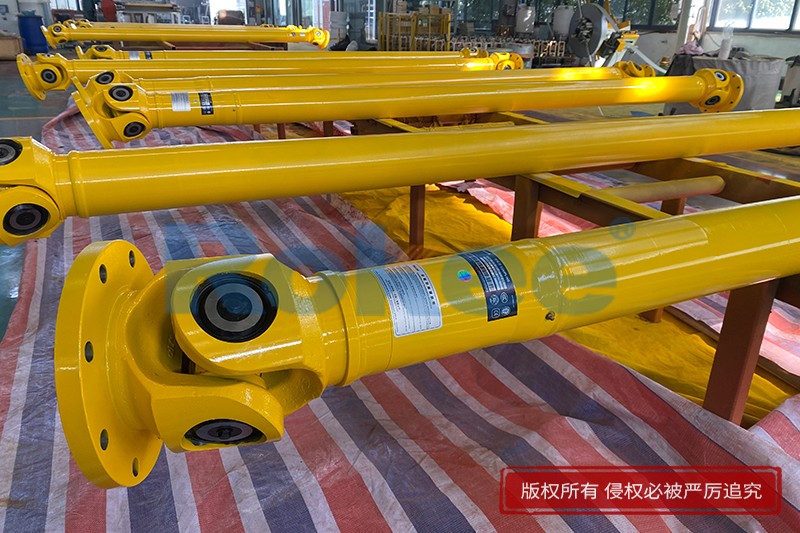
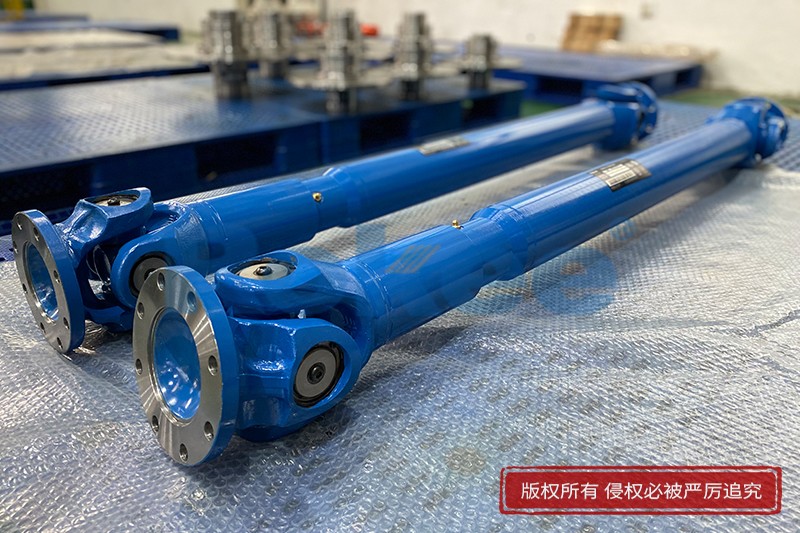
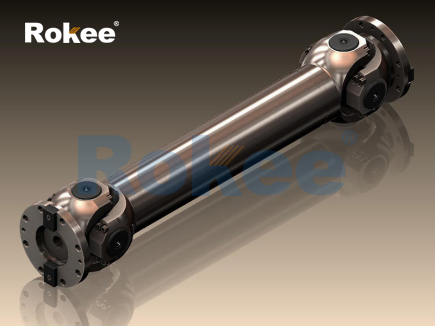
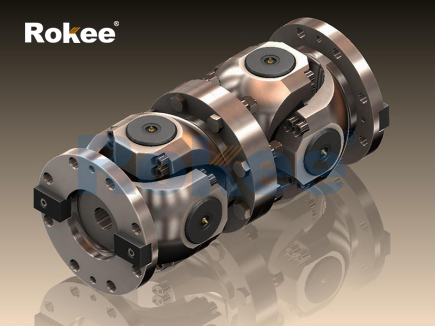
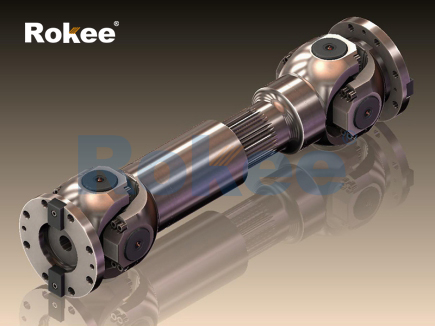
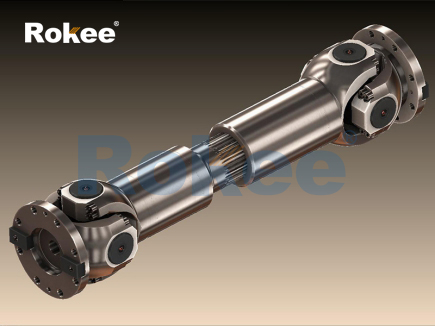
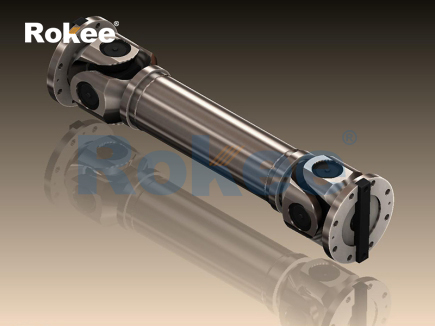
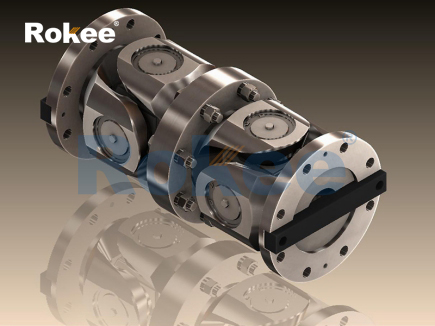
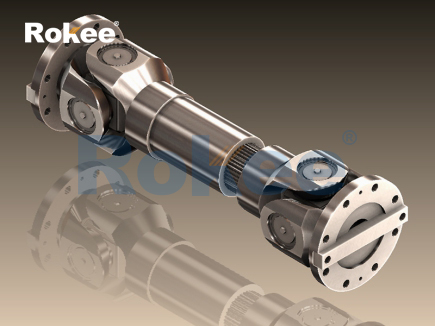
The basic structural composition of industrial cardan shafts follows a mature and optimized mechanical design logic, mainly consisting of universal joint assemblies, intermediate shaft body and connecting flanges. The universal joint is the core functional unit of the entire device, typically adopting a cross shaft hinge structure. The cross shaft is connected with the joint fork through precision rolling bearings, forming a flexible rotating pair that can realize multi-angle deflection. Most intermediate shaft bodies adopt hollow tubular structures, which effectively reduce the overall weight of the shaft body while ensuring structural rigidity and torsional resistance, avoiding additional load loss caused by self-weight during high-speed operation. The connecting flanges at both ends are designed with standardized connection structures to achieve fast and stable assembly with driving equipment such as motors and reducers and driven equipment such as transmission rollers and processing machinery. The overall structural integration realizes the organic combination of flexible adaptation and rigid load bearing, laying a solid foundation for efficient power transmission.
The working principle of industrial cardan shafts is derived from the geometric motion characteristics of universal hinge structures. When the driving end shaft rotates, the cross shaft hinge structure can adapt to the angle offset between the two shafts, convert the uniaxial rotational motion of the driving end into continuous rotational motion of the driven end, and maintain stable torque output throughout the operation process. In actual industrial operation scenarios, the axis deflection angle between the driving shaft and the driven shaft usually ranges from 5 degrees to 45 degrees, and the cardan shaft can always maintain efficient transmission efficiency within this variation range. For the minor axial stretching and radial offset generated by equipment vibration, thermal expansion and mechanical displacement during operation, the matching clearance and telescopic structure inside the cardan shaft can achieve effective compensation, eliminate transmission jitter and mechanical friction loss caused by axis misalignment, and ensure the synchronization and stability of mechanical operation.
Industrial cardan shafts possess multiple core performance characteristics that distinguish them from traditional transmission components, making them highly adaptable to harsh industrial working conditions. First of all, they have excellent angular compensation performance, which is the most prominent advantage of cardan shaft transmission systems. Rigid shafts will generate huge torsional stress and mechanical wear once the axis is misaligned, while cardan shafts can flexibly adapt to various angle deviations and avoid mechanical failure risks caused by installation errors and operational displacement. Secondly, they feature high transmission efficiency and strong load-bearing capacity. The optimized cross shaft bearing structure reduces rolling friction resistance during operation, enabling the transmission efficiency to remain at a high level for a long time. Meanwhile, the integral forging and precision processing of core components ensure that the shaft body can bear large torque loads, meeting the power transmission needs of heavy industrial equipment.
In addition, industrial cardan shafts show outstanding structural stability and environmental adaptability. The overall compact structural design saves installation space and is suitable for mechanical equipment with complex internal structures and limited assembly space. The surface treatment and internal sealing structure of components can effectively resist the erosion of dust, moisture and industrial oil stains in industrial environments, reduce the wear and corrosion of core moving parts, and extend the overall service life. Moreover, the structural design of cardan shafts is highly flexible and adjustable. By adjusting the length of the intermediate shaft body, optimizing the bearing model and improving the hinge structure, they can adapt to different operating speeds, load levels and installation forms, covering diversified industrial transmission demands from light-duty high-speed operation to heavy-duty low-speed operation.
The application scope of industrial cardan shafts covers numerous core industrial fields, becoming a key supporting component for industrial production and mechanical operation. In the field of metallurgical industry, cardan shafts are widely used in rolling mill transmission systems, connecting power devices and rolling equipment. During the rolling process, the equipment will generate continuous vibration and tiny displacement, and the flexible compensation performance of cardan shafts can effectively offset these dynamic deviations, ensure the stable operation of rolling rollers, and guarantee the precision and consistency of metal rolling processing. In mining machinery, cardan shafts serve as the power transmission core of crushing equipment, screening equipment and conveyor systems. The harsh working conditions of mining sites, such as heavy load, strong vibration and high dust, put forward high requirements for the durability and stability of transmission components, and the high load-bearing and anti-vibration performance of cardan shafts can fully adapt to such complex working environments.
In the field of engineering machinery and transportation equipment, industrial cardan shafts play an irreplaceable role in power transmission systems. Various engineering vehicles and mechanical equipment will generate frequent position changes and angle adjustments during operation. The cardan shaft can adapt to the dynamic attitude changes of equipment, realize continuous power transmission between power sources and walking or working mechanisms, and ensure the flexibility and stability of equipment operation. In agricultural machinery production, cardan shafts are used for power connection between tractors and supporting working tools such as harvesters, seeders and mowers. The field operation environment is complex and changeable, with uneven ground and frequent equipment jolts, and the good adaptive performance of cardan shafts avoids power transmission interruption caused by equipment jitter and angle offset, ensuring the continuous and efficient operation of agricultural machinery.
In addition, industrial cardan shafts are also widely used in printing and packaging machinery, textile machinery, chemical equipment, papermaking equipment and light industrial machinery fields. In precision light industrial equipment, the high-precision transmission performance of cardan shafts can ensure the synchronization of each operating unit of the equipment, avoid processing errors caused by unstable power transmission, and improve product processing accuracy and production efficiency. In chemical and papermaking equipment, the stable transmission performance of cardan shafts adapts to the long-term continuous operation mode of industrial production, reduces equipment failure rates caused by transmission system problems, and ensures the continuity of assembly line production.
The classification of industrial cardan shafts is mainly based on load-bearing capacity, structural form and operating conditions, which can meet the differentiated needs of different industrial scenarios. According to the load-bearing torque level, cardan shafts can be divided into light-duty, medium-duty and heavy-duty types. Light-duty cardan shafts are suitable for light-load and high-speed transmission scenarios such as precision light industrial machinery and small processing equipment, featuring light weight, flexible operation and low noise. Medium-duty cardan shafts are mostly used in conventional industrial production equipment, balancing load-bearing capacity and operating flexibility, and are the most widely used type in industrial production. Heavy-duty cardan shafts adopt thickened shaft bodies and reinforced hinge structures, which can bear ultra-large torque loads and are exclusively used in heavy equipment such as metallurgical rolling mills and large mining machinery.
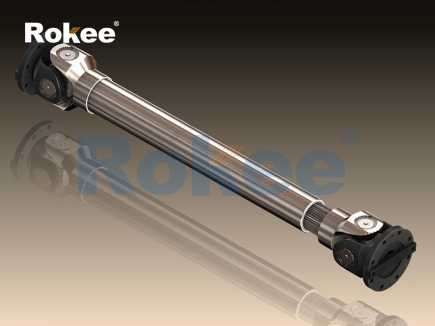
According to structural forms, industrial cardan shafts include single-section and multi-section structures. Single-section cardan shafts have simple structures and high transmission rigidity, suitable for short-distance power transmission scenarios with small axis deviation. Multi-section cardan shafts are composed of multiple shaft bodies and universal joint assemblies, which can realize long-distance power transmission and adapt to larger axis offset and equipment displacement, solving the transmission problem of long-span mechanical equipment. At the same time, according to the operating speed, cardan shafts can be divided into high-speed type and low-speed high-torque type. High-speed cardan shafts adopt dynamic balance optimization design to avoid vibration and resonance during high-speed operation, ensuring stable high-speed transmission; low-speed high-torque products focus on structural strength optimization to meet the power transmission needs of heavy-load low-speed equipment.
The selection of industrial cardan shafts needs to follow scientific mechanical design principles, comprehensively considering multiple key factors such as equipment operating parameters, installation conditions and working environments. First of all, the matching torque level should be determined according to the actual operating load of the equipment. The selected cardan shaft needs to have a certain load margin on the basis of meeting the rated operating torque to avoid fatigue damage and structural deformation caused by long-term overload operation. Secondly, the deflection angle and transmission distance of the equipment should be accurately calculated to select the appropriate structural type and shaft body length, ensuring that the cardan shaft can maintain optimal compensation performance and transmission state during operation.
In addition, the operating speed and environmental conditions of the equipment are also key factors for selection. High-speed operating equipment must select cardan shafts with dynamic balance treatment and high-precision bearing matching to reduce operating vibration and noise and improve transmission stability. For equipment operating in high dust, high humidity or corrosive environments, it is necessary to select products with enhanced sealing performance and anti-corrosion treatment to improve environmental adaptability and extend service life. At the same time, the installation space of the equipment should be fully considered, and the structural size of the cardan shaft should be reasonably matched to avoid installation interference and ensure convenient assembly and later maintenance.
Daily maintenance and maintenance of industrial cardan shafts are crucial to maintaining long-term stable operation and extending service life. In the daily operation process, regular inspection of the operating state of the cardan shaft is required, focusing on checking whether there is abnormal vibration, noise and jitter during operation, so as to timely judge whether the internal hinge structure and bearing parts are worn or damaged. The sealing performance of the equipment should be checked regularly to prevent dust, impurities and moisture from entering the interior of the universal joint, causing bearing wear and rust and affecting transmission flexibility. Lubrication maintenance is the core link of cardan shaft maintenance. Regular replacement of high-quality lubricating grease can reduce the friction loss of internal moving parts, reduce operating wear, and maintain efficient transmission performance.
In addition, for the cardan shafts that have been operated for a long time, regular disassembly and inspection of core components such as cross shafts and bearings are needed to replace severely worn parts in time and avoid mechanical failures caused by component aging and wear. During equipment shutdown and idle period, surface anti-rust treatment and structural fixation should be done well to prevent shaft body deformation and component rust caused by long-term static placement. Scientific and standardized maintenance can effectively reduce the failure rate of cardan shafts, reduce equipment maintenance costs, and ensure the long-term stable and efficient operation of industrial transmission systems.
With the continuous upgrading of modern industrial manufacturing technology, the performance and structural design of industrial cardan shafts are also constantly optimized and improved. Modern industrial production puts forward higher requirements for mechanical transmission systems, including higher transmission precision, stronger environmental adaptability, longer service life and lower operating noise. In response to industrial development needs, cardan shaft manufacturing technology is constantly innovating. The application of high-strength alloy materials further improves the load-bearing capacity and structural stability of products; precision machining technology optimizes the matching accuracy of internal components, reduces transmission gaps, and improves transmission precision and stability; optimized sealing and lubrication structures enhance the durability of products in harsh environments.
As a key basic component of industrial mechanical transmission, industrial cardan shafts connect various power units and execution units of industrial equipment, supporting the normal operation of the entire industrial production system. Its flexible compensation performance, efficient transmission capacity and reliable structural stability solve many transmission pain points in complex industrial environments, make up for the limitations of rigid transmission components, and provide a stable power transmission guarantee for automated, intelligent and large-scale industrial production. In the future, with the continuous development of industrial machinery towards high precision, high efficiency and high load, industrial cardan shafts will continue to carry out technological iteration and performance optimization, adapt to more complex industrial application scenarios, and maintain their important core position in the field of industrial mechanical transmission.
- Tags:
- Industrial Cardan Shafts ,
- sandwich panel line ,
- sandwich panel machine
- pu sandwich panel machine
« Catalogue of Industrial Cardan Shafts » Latest Update Date: Jun 3, 2026
https://www.rokeecoupling.net/blog/catalogue-of-industrial-cardan-shafts.html