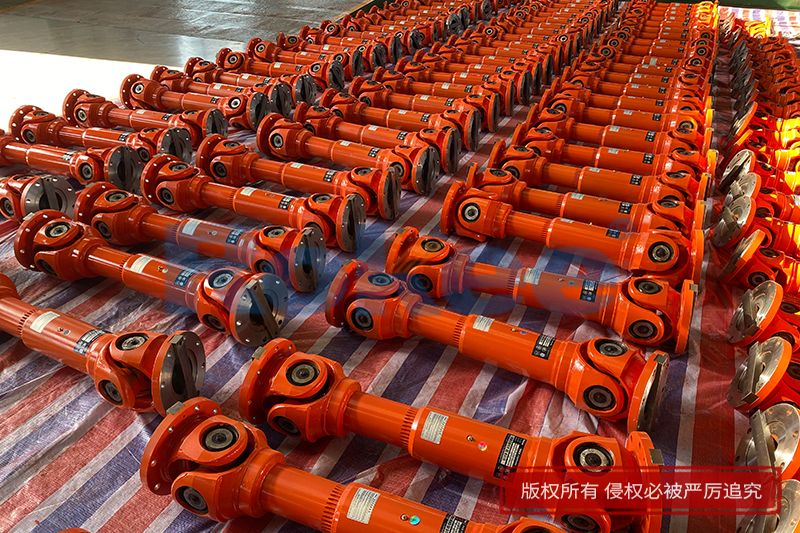
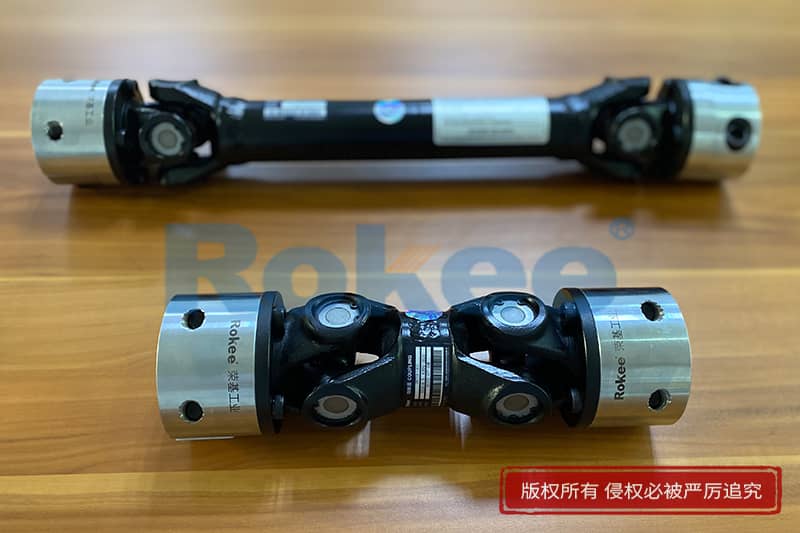
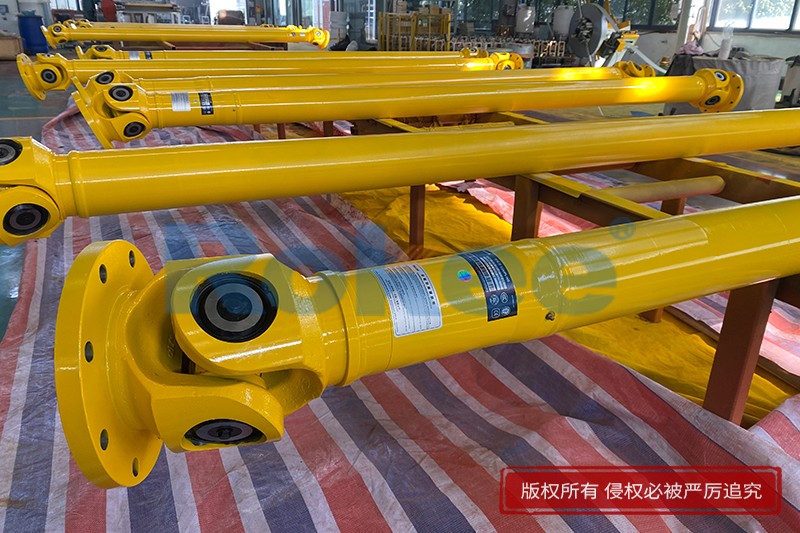
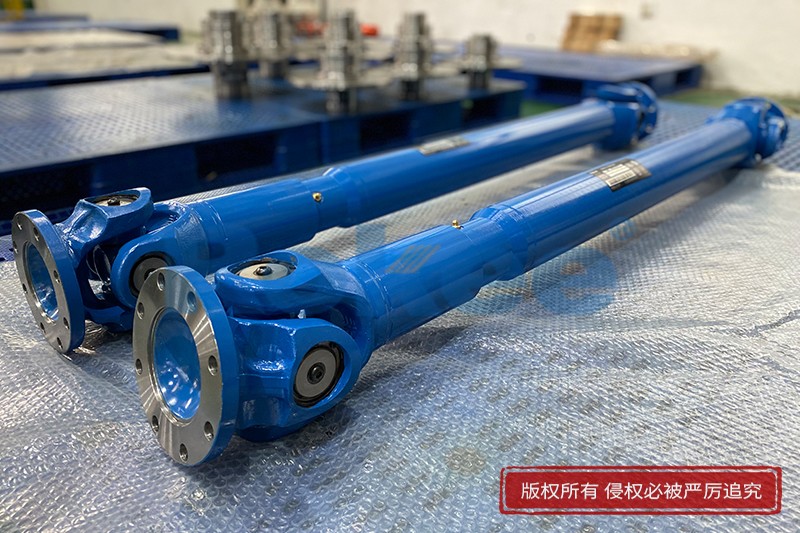
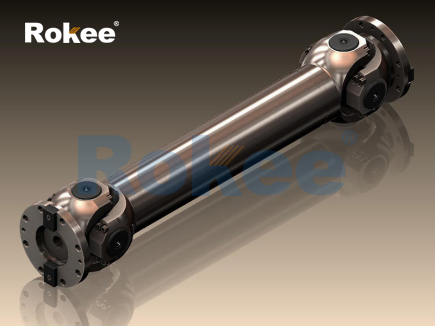
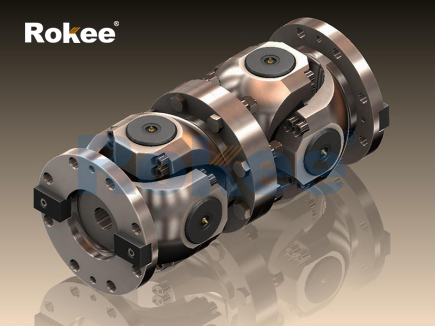
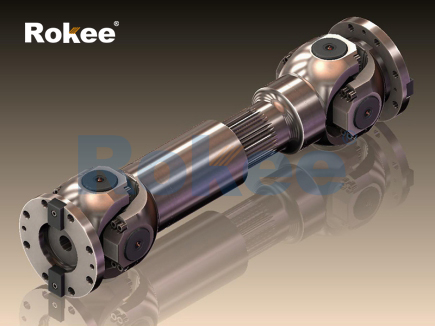
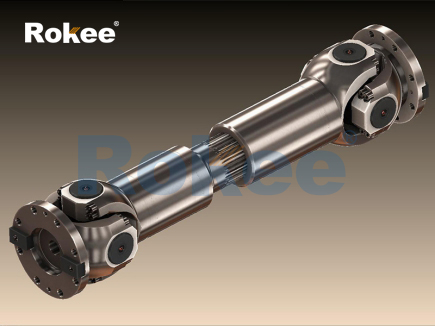
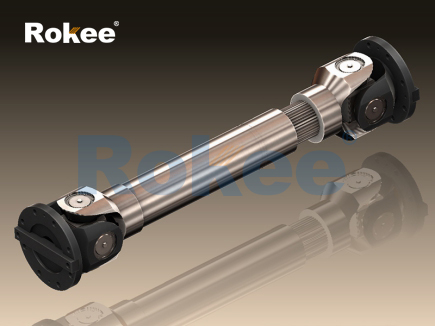
In the complex and interconnected mechanical systems that power modern industry, transportation, and heavy engineering, the seamless transmission of rotational force and torque stands as one of the most fundamental requirements for stable and efficient operation. Among the critical mechanical components dedicated to this core function, cardan drive shafts emerge as an indispensable and highly versatile solution, uniquely engineered to address the inherent challenges of power transfer between misaligned, dynamically moving, and spatially separated mechanical parts. Unlike rigid drive components that demand precise static alignment between driving and driven units, cardan drive shafts are designed to deliver consistent, reliable power transmission while accommodating continuous variations in angular position, axial distance, and radial offset, making them a foundational element across countless mechanical applications. Their core purpose extends far beyond simple torque conveyance; they serve as adaptive mechanical bridges that preserve system functionality, reduce operational stress, extend equipment service life, and enable the flexible mechanical layouts that define modern machinery design.
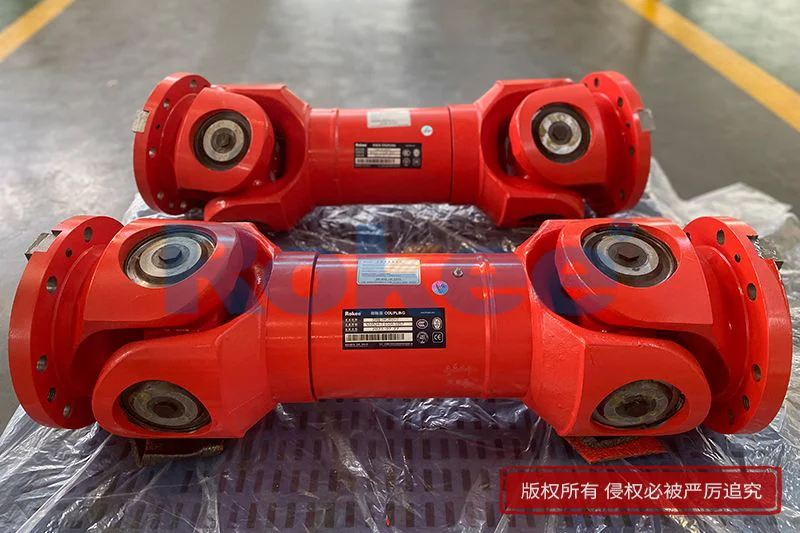
To fully comprehend the purpose of cardan drive shafts, it is essential to first examine the mechanical limitations they are specifically designed to overcome. In traditional rigid shaft connection systems, even minor deviations from perfect coaxial alignment between two rotating components can generate severe mechanical stress, vibration, and torque fluctuation during operation. These imperfections, which are nearly unavoidable in real-world mechanical environments, stem from multiple sources: structural deformation of equipment under load, minor assembly tolerances, thermal expansion and contraction during continuous operation, and dynamic positional shifts caused by mechanical movement or external environmental forces. Rigid couplings and fixed drive shafts cannot compensate for these deviations, resulting in uneven power delivery, accelerated wear on bearings and gears, increased operational noise, and in extreme cases, sudden component failure or system shutdown. Cardan drive shafts resolve these critical pain points through their distinctive structural design, integrating dual universal joint assemblies and telescopic mechanical structures to achieve flexible, adaptive power transmission that adapts to dynamic working conditions rather than requiring the system to adapt to rigid mechanical constraints.
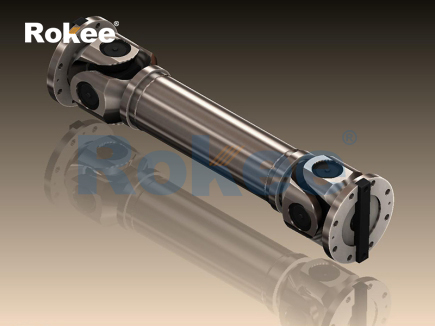
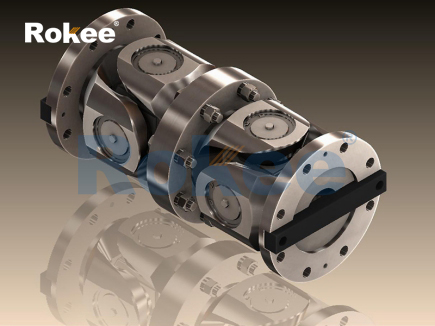
The primary functional purpose of a cardan drive shaft is to maintain continuous, smooth, and efficient torque and rotational motion transmission between independently moving mechanical components. At the heart of this functionality lies the universal joint mechanism, a precision articulated structure that enables multi-directional rotational flexibility. As power is output from a driving component, rotational torque is transferred to the input end of the cardan drive shaft, where the cross-shaped spindle and bearing assembly within the universal joint distributes force evenly to the central shaft tube. The dual universal joints installed at both ends of the central shaft work in tandem to offset angular misalignment between the input and output shafts, ensuring that rotational speed and torque remain consistent throughout the power transfer process regardless of temporary or sustained angular deviations. This capability fundamentally differentiates cardan drive shafts from rigid transmission components, as they eliminate the torque pulsation and mechanical resistance that plague misaligned rigid connections, thereby maintaining uniform power output and stable mechanical operation across varying working angles.
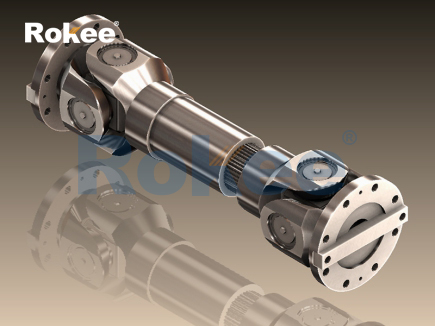
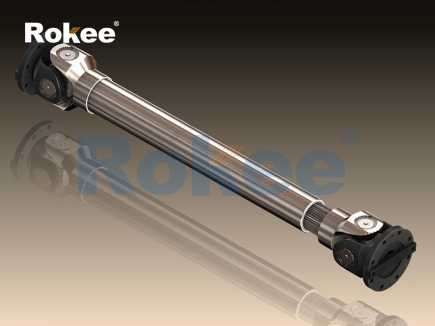
Complementing the angular compensation function is the axial displacement adaptation capability, another core purpose embedded in the design of cardan drive shafts. Most cardan drive shaft assemblies incorporate a telescopic spline structure, which allows the overall length of the shaft to adjust freely within a designated range during operation. This adaptive length adjustment addresses the axial distance changes between driving and driven components that occur frequently in dynamic mechanical systems. For example, in mobile mechanical equipment, operational vibration, suspension movement, or load-induced structural deformation can cause continuous minor changes in the spacing between connected transmission parts. In fixed industrial machinery, temperature fluctuations during long-duration operation lead to thermal expansion and contraction of metal components, altering axial gaps between connected shafts. The telescopic spline structure absorbs these axial variations in real time, preventing the generation of compressive or tensile mechanical stress in the transmission system. This not only ensures unobstructed power transmission but also protects adjacent mechanical components from deformation, fatigue damage, and premature wear caused by unrelieved axial force.
A pivotal secondary purpose of cardan drive shafts is vibration damping and mechanical stress mitigation throughout the entire transmission system. The flexible connection formed by universal joints and telescopic structures creates a buffer effect that isolates and dissipates the high-frequency vibration and impact force generated during mechanical startup, load switching, and uneven operation. In high-torque and heavy-load working scenarios, mechanical systems often produce instantaneous impact torque when starting or bearing sudden load changes. Rigid transmission structures directly transfer these impact forces to every connected component, leading to cumulative fatigue damage in bearings, gear sets, and housings. Cardan drive shafts absorb and weaken these impact loads through their flexible articulation, smoothing out torque fluctuations and stabilizing the overall operating state of the system. This stress reduction function significantly lowers the frequency of mechanical failures, reduces routine maintenance requirements, and improves the overall operational reliability and stability of mechanical equipment.
The adaptive structural characteristics of cardan drive shafts also serve a key purpose in optimizing mechanical system layout and improving design flexibility. In modern mechanical engineering design, equipment structures are becoming increasingly compact and diversified, with many transmission systems requiring non-linear, offset, or spatially staggered power transmission paths. Rigid transmission components are incapable of adapting to these complex layout requirements, forcing designers to adopt cumbersome, space-consuming structural layouts that limit equipment miniaturization and functional optimization. Cardan drive shafts, however, can achieve stable power transmission across different spatial angles and offset distances, allowing designers to arrange power sources, transmission structures, and execution components more reasonably. This flexibility eliminates redundant transitional structures, reduces the overall size and weight of mechanical equipment, and improves space utilization rate, which is particularly valuable in mobile machinery, precision industrial equipment, and compact engineering systems where space efficiency is critical.
In heavy-duty industrial and engineering scenarios, the purpose of cardan drive shafts is further reflected in their exceptional load-bearing adaptability and durable power transmission performance. Engineered with high-strength metal materials and precision-machined structural components, cardan drive shafts are capable of sustaining high torque output and continuous heavy-load operation while maintaining their adaptive compensation functions. Unlike flexible rubber or elastic couplings that are prone to deformation and aging under long-term high-load conditions, the mechanical articulation structure of cardan drive shafts maintains stable structural rigidity and functional accuracy even during prolonged high-intensity operation. This enables them to serve as reliable transmission cores in heavy engineering machinery, industrial production lines, and large-scale power transmission systems, ensuring sustained and efficient power output under harsh working conditions such as heavy loads, variable loads, and continuous cyclic operation.
Another often overlooked but vital purpose of cardan drive shafts is to reduce mechanical energy loss and improve overall system transmission efficiency. Misaligned rigid transmission systems generate substantial additional mechanical friction and rotational resistance during operation, converting a large portion of output torque into useless heat energy and vibration energy, thereby reducing effective power utilization efficiency. Cardan drive shafts eliminate frictional resistance caused by structural misalignment through their adaptive angle and position compensation, ensuring that almost all rotational torque is directly transmitted to the driven components. The precision fit of universal joint bearings and spline structures further minimizes internal friction during operation, achieving high-efficiency power transmission with low energy loss. Over long-term continuous operation, this high-efficiency characteristic accumulates significant energy-saving effects, improving the operational economy of mechanical systems and reducing unnecessary energy consumption in industrial production and mechanical operation processes.
Cardan drive shafts also play an irreplaceable role in improving the safety and fault tolerance of mechanical systems. During the operation of complex machinery, unexpected structural displacements, minor component deformations, or temporary load abnormalities are inevitable. Rigid transmission systems have extremely low fault tolerance for these abnormal conditions, and even small structural changes can trigger severe mechanical jamming, component fracture, or system paralysis. Cardan drive shafts, with their multi-dimensional adaptive compensation capabilities, can tolerate minor structural abnormalities and dynamic displacements without affecting basic power transmission functions, providing a stable fault buffer for mechanical systems. This fault tolerance effectively avoids sudden equipment shutdowns caused by minor abnormal conditions, reduces operational risks, and improves the overall safety and continuity of mechanical system operation.
The versatility of cardan drive shafts further expands their practical purpose across diverse working environments and mechanical fields. Their structural design adapts not only to conventional indoor and stable working conditions but also to harsh environments characterized by vibration, dust, temperature changes, and dynamic displacement. In mobile engineering machinery, frequent walking, lifting, and load changes cause continuous dynamic misalignment of internal transmission structures, and cardan drive shafts consistently maintain stable power output under these variable conditions. In fixed industrial production equipment, long-term cyclic operation and environmental temperature changes lead to slow structural deformation and axial displacement, which are effectively compensated by the adaptive structure of cardan drive shafts. This wide environmental adaptability enables unified and reliable power transmission solutions for different types of mechanical equipment, simplifying the matching design of transmission systems and improving the universality of mechanical components.
From the perspective of full-cycle equipment operation and maintenance, cardan drive shafts serve the critical purpose of reducing equipment operating costs and extending the overall service life of mechanical systems. By eliminating abnormal mechanical stress, vibration, and friction damage caused by misalignment, they effectively reduce the wear and aging speed of core components such as bearings, gears, and motor shafts. Stable power transmission also avoids impact damage to power sources and execution components, enabling all parts of the mechanical system to operate under rated, stable working conditions. This balanced operating state greatly extends the service life of the entire equipment system, reduces the frequency of component replacement and equipment maintenance, and lowers long-term operational and maintenance costs. Additionally, the modular structure of cardan drive shafts simplifies daily inspection and partial replacement, further improving the convenience of equipment maintenance and reducing downtime losses caused by maintenance work.
In summary, the purpose of cardan drive shafts encompasses far more than basic rotational power transmission. As a highly adaptive and efficient mechanical transmission component, they solve the core mechanical challenges of misalignment compensation, dynamic displacement adaptation, and vibration buffering that cannot be addressed by rigid transmission structures. They stabilize mechanical operation, improve transmission efficiency, optimize equipment layout, enhance system safety and fault tolerance, reduce energy consumption and maintenance costs, and adapt to diverse working conditions and mechanical scenarios. In all mechanical systems requiring flexible, stable, and high-efficiency power transmission between dynamically changing components, cardan drive shafts provide essential mechanical support for reliable, continuous, and efficient equipment operation. Their unique structural advantages and comprehensive functional values make them an indispensable foundational component in modern mechanical engineering, industrial production, engineering machinery, and numerous other technical fields, continuously supporting the stable operation and performance optimization of various mechanical equipment.
- Tags:
- Cardan Drive Shafts ,
- sandwich panel line ,
- sandwich panel machine
- pu sandwich panel machine
« Purpose of Cardan Drive Shafts » Latest Update Date: Jul 10, 2026
https://www.rokeecoupling.net/blog/purpose-of-cardan-drive-shafts.html