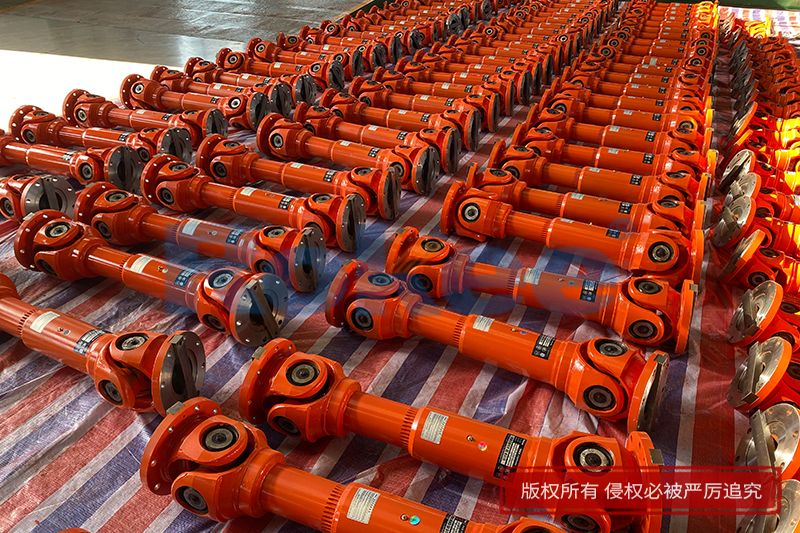
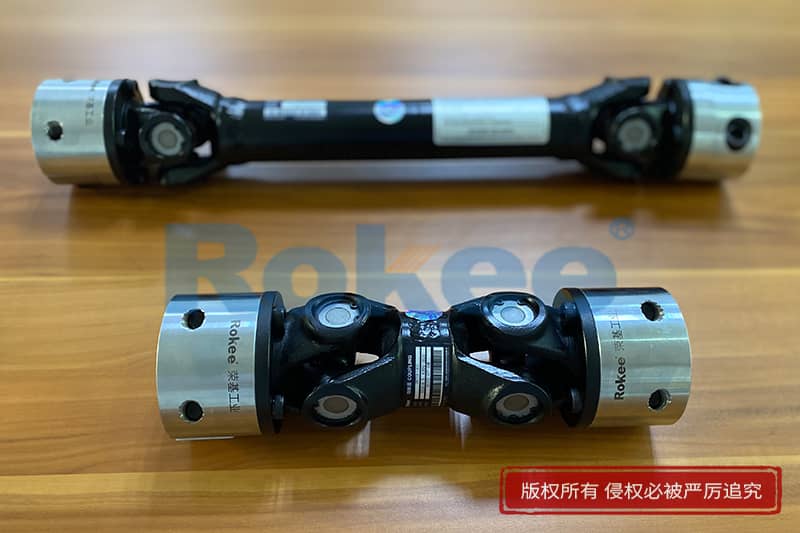
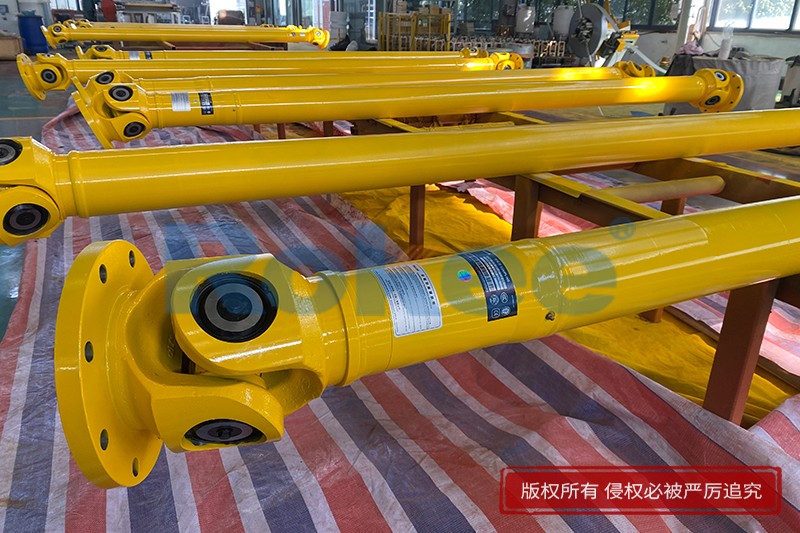
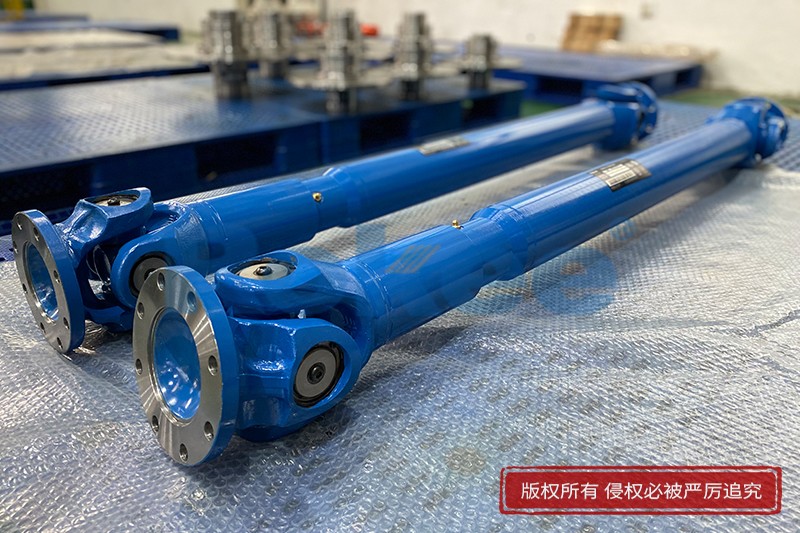
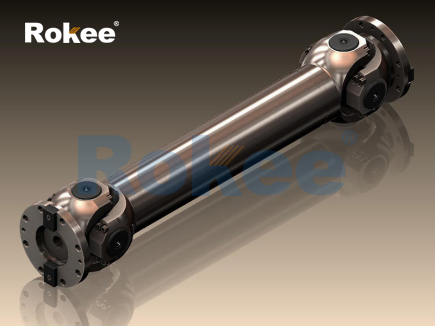
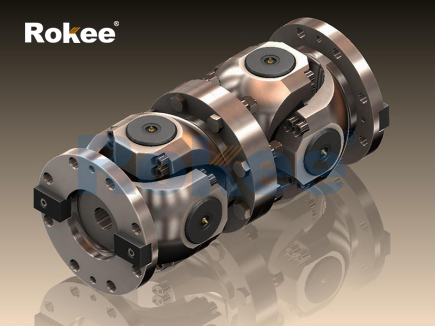
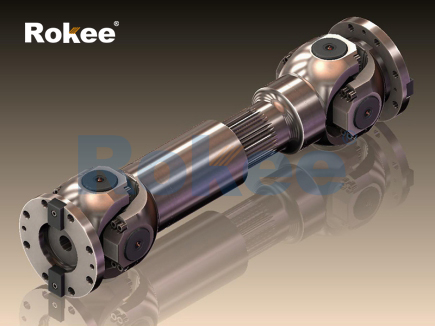
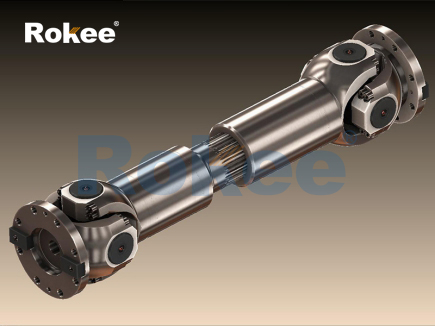
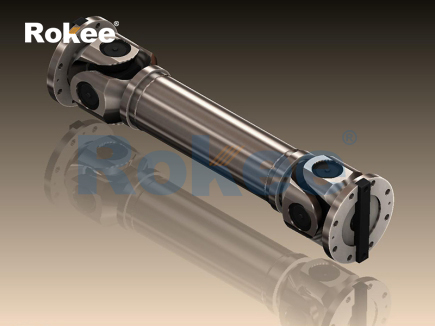
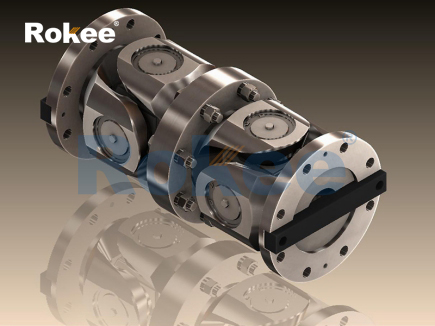
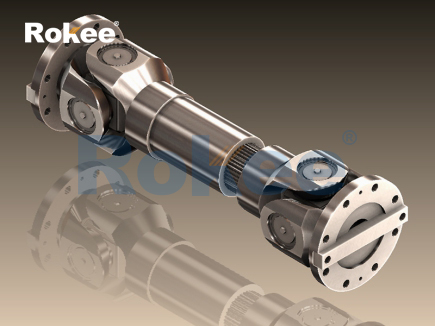
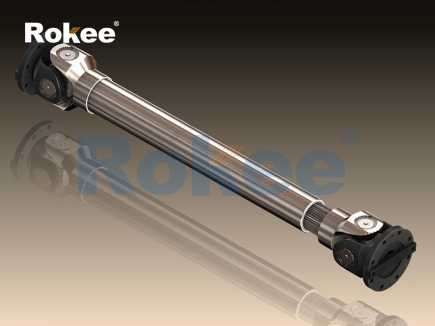
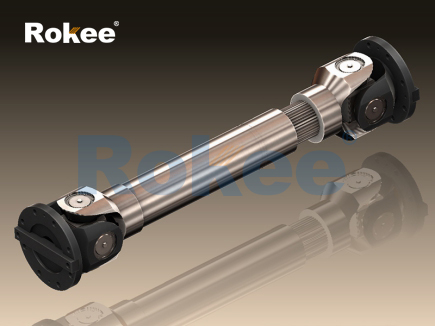
Within the modern mechanical manufacturing sector, telescopic drive shafts stand out as indispensable transmission components that facilitate flexible power conveyance across diverse mechanical equipment. A professional telescopic drive shafts factory focuses on the systematic production, structural optimization, and performance iteration of such mechanical parts, dedicating itself to crafting durable, adaptable, and high-efficiency transmission components to meet the complex operational demands of industrial machinery, engineering vehicles, and mobile mechanical devices. The core operational logic of this type of manufacturing plant revolves around integrating precise mechanical processing principles with mature production procedures, ensuring every finished drive shaft can maintain stable power output under variable working conditions such as distance changes, position deviations, and mechanical vibration. Unlike fixed-size drive shafts, telescopic structures possess unique structural flexibility, enabling axial length adjustment during equipment operation, which effectively compensates for installation errors and mechanical displacement generated during the movement of mechanical components. This inherent functional advantage makes telescopic drive shafts widely applicable in numerous transmission scenarios requiring dynamic spatial adaptation, and professional factories continuously refine production technologies to amplify this structural superiority.
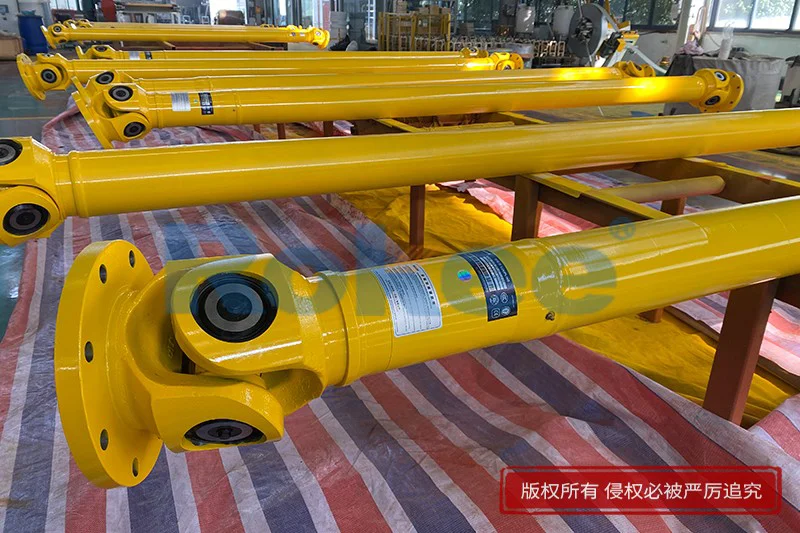
The internal construction of a telescopic drive shaft forms the foundational basis for its telescopic function and transmission performance, and factories strictly control every structural detail during the manufacturing process. The primary components of a standard telescopic drive shaft include an outer shaft tube, an inner spline shaft, sealing assemblies, buffer connecting parts, and vibration damping structures. The nested installation of the outer shaft tube and inner spline shaft realizes the axial telescopic movement, where the precision-machined spline structure ensures synchronous rotation while allowing free sliding within a reasonable length range. Factories adopt integrated forging and precision turning processes to shape the shaft body blanks, selecting high-strength alloy raw materials that balance hardness and toughness to resist torsional shear force and mechanical fatigue during long-term operation. The surface of the spline area undergoes smooth finishing treatment to reduce friction resistance in the telescopic process, avoiding excessive abrasion that could lead to transmission clearance and power loss. Sealing components are embedded at the connection gaps of the nested structures to block external dust, moisture, and granular impurities, preventing internal component corrosion and lubricant leakage, a key design that extends the service life of drive shafts in harsh working environments.
The entire production workflow inside the factory follows standardized mechanical manufacturing procedures, covering raw material inspection, blank forming, precision processing, surface treatment, assembly debugging, and finished product testing. At the initial raw material screening stage, staff conduct comprehensive physical performance tests on metal raw materials, focusing on tensile strength, ductility, and structural uniformity to eliminate raw materials with internal impurities or structural defects. In the blank forming stage, large forging equipment applies uniform pressure to metal blanks to refine the internal metal grain structure, enhancing the overall structural compactness and torsional resistance of the drive shaft. Subsequent precision processing links adopt numerical control machine tools for automated cutting, turning, and milling, achieving micron-level machining accuracy for spline teeth, shaft body roundness, and assembly dimensions. This high-precision processing standard ensures the tight fit between nested components, avoiding jitter and abnormal noise during high-speed rotation. After mechanical processing, the shaft body undergoes surface strengthening treatments, including oxidation resistance coating and wear-resistant layer processing, to improve adaptability to extreme environments such as high temperature, low temperature, and humid corrosion.
The assembly workshop constitutes the core functional area of the factory, where workers complete the ordered combination of all components in a dust-controlled and temperature-stable working environment. Before formal assembly, all processed parts undergo secondary manual screening to remove components with surface scratches, dimensional deviations, or unqualified surface treatment effects. During assembly, workers inject high-viscosity lubricating grease into the telescopic clearance of the nested shafts to form a stable lubricating film between friction surfaces, which reduces sliding resistance and weakens mechanical wear during frequent telescopic movements. Buffer connecting parts are installed at both ends of the drive shaft to alleviate instantaneous torque impact during equipment startup and shutdown, effectively protecting the transmission system from rigid damage caused by sudden load changes. After assembly, each drive shaft undergoes static calibration to correct tiny structural deviations, ensuring the shaft body maintains a straight and stable state under static conditions and lays a foundation for balanced rotation in subsequent dynamic operation.
Performance testing serves as the final quality barrier for factory-produced telescopic drive shafts, and the testing laboratory is equipped with professional mechanical testing equipment to simulate various complex working conditions. The items in the testing procedure include torsional resistance testing, telescopic fatigue testing, high-speed rotation balance testing, and environmental adaptation testing. In torsional resistance tests, testing equipment applies gradual torque to the drive shaft to record its deformation threshold and structural bearing limit, verifying whether the component meets the load transmission requirements of industrial machinery. Telescopic fatigue tests simulate thousands of repeated stretching and contracting movements to observe structural abrasion and connection tightness changes, evaluating the durability of telescopic structures in long-term cyclic operation. High-speed rotation testing detects vibration amplitude and rotational stability of the drive shaft under different rotational speeds, eliminating unqualified products with obvious jitter and noise. Environmental adaptation testing places finished products in high-temperature, low-temperature, and humid corrosive atmospheres to observe structural stability and surface anti-corrosion performance, ensuring the drive shafts can operate normally in diverse complex industrial scenarios.
Technological research and development is a vital driving force for the sustainable operation of telescopic drive shafts factories, and professional manufacturing plants allocate stable research resources to optimize structural design and production processes. The technical research team focuses on improving the power transmission efficiency and structural compression resistance of telescopic drive shafts, exploring optimized spline structures and lightweight shaft body designs. By adjusting the tooth shape and distribution density of splines, the contact area between nested shafts is reasonably increased, dispersing local pressure during torque transmission and reducing component wear. The lightweight optimization of the shaft body adopts hollow tubular structures under the premise of ensuring mechanical strength, which lowers the overall weight of the drive shaft, reduces the operating load of power equipment, and improves energy utilization efficiency. In addition, the team continuously upgrades sealing structures, adopting multi-layer composite sealing combinations to enhance dustproof and waterproof capabilities, making the drive shafts adaptable to harsh working conditions such as outdoor construction and mineral exploitation. The iterative upgrading of production technology also promotes the simplification of processing procedures, shortens the production cycle of single products, and improves the overall production efficiency of the factory.
Telescopic drive shafts produced by the factory are widely utilized in multiple industrial fields, covering engineering machinery, automated logistics equipment, agricultural machinery, and special transportation machinery. In engineering machinery such as forklifts and mobile cranes, telescopic drive shafts connect power output devices and walking mechanisms, adapting to the chassis displacement and angle deviation generated during mechanical walking and steering to ensure continuous and stable power transmission. In automated logistics workshops, these drive shafts serve as power transmission components for automated guided vehicles and stacking equipment, realizing flexible power transmission during frequent start-stop and position movement of equipment to support efficient material handling operations. In agricultural machinery including harvesters and tillage machines, the telescopic structure compensates for mechanical jitter and position offset caused by uneven ground, maintaining the stable operation of tillage and harvesting components. In addition, they are also applied in special equipment such as mining transport vehicles and port handling machinery, reliably coping with heavy-load and high-vibration working environments to guarantee the continuous operation of mechanical systems.
In terms of production management, the factory adheres to refined management concepts to standardize every link from raw material warehousing to finished product delivery. The production workshop divides functional areas reasonably, including raw material storage area, processing area, assembly area, testing area, and finished product storage area, realizing closed-loop circulation of materials to avoid cross-contamination between different processing links. The factory regularly maintains and debugs production and testing equipment to ensure the stability of processing accuracy and testing data. Production staff receive regular professional skill training, mastering processing operation specifications and quality judgment standards to reduce defective product rates caused by human operation errors. Meanwhile, the factory establishes complete product production files, recording raw material batches, processing parameters, testing data, and other information of each batch of products to realize traceable product quality management, providing reliable data support for subsequent product optimization and after-sales technical services.
Looking into the future development trend, telescopic drive shafts factories will continue to move toward intelligent production and high-performance customization. With the continuous upgrading of industrial intelligent manufacturing technology, more automated processing and assembly equipment will be introduced into the production line, realizing unmanned operation of key processing links, further improving production accuracy and output efficiency. In response to the personalized demands of different industries, factories will launch customized production services, adjusting structural parameters such as shaft body length, telescopic stroke, and load-bearing range according to the actual operating conditions of customers’ equipment to manufacture targeted drive shaft products. Moreover, driven by energy conservation and emission reduction concepts, factories will actively explore new lightweight and high-strength raw materials, optimize internal transmission structures, reduce mechanical friction energy consumption, and develop more environmentally friendly and efficient telescopic drive shaft products. While continuously improving product quality and production efficiency, the factory will also strengthen technical communication with the mechanical manufacturing industry, promote the common progress of transmission component manufacturing technology, and provide more reliable basic component support for the development of the global mechanical equipment industry.
- Tags:
- Telescopic Drive Shafts ,
- sandwich panel line ,
- sandwich panel machine
- pu sandwich panel machine
« Telescopic Drive Shafts Factory » Latest Update Date: May 9, 2026
https://www.rokeecoupling.net/blog/telescopic-drive-shafts-factory.html