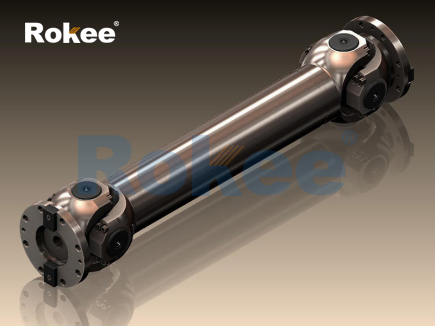
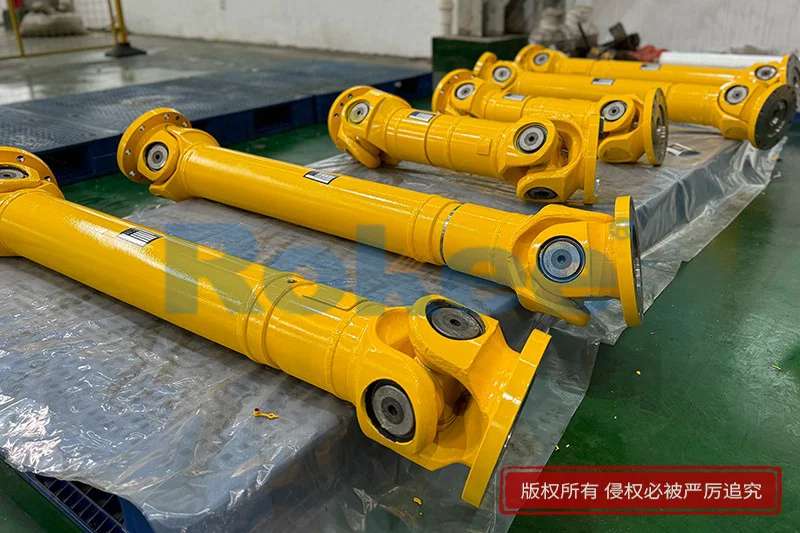
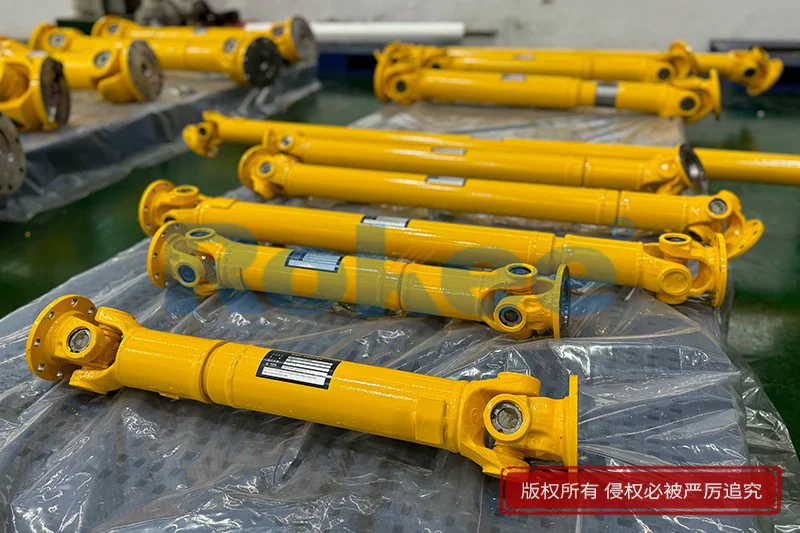
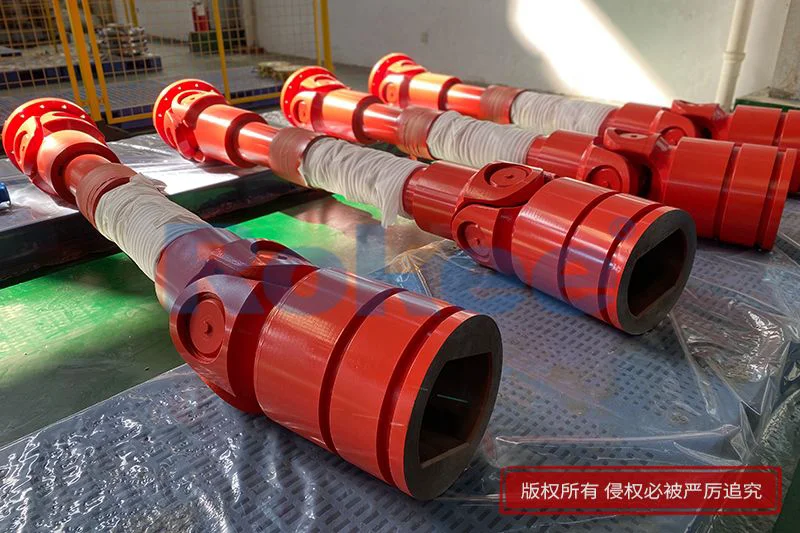
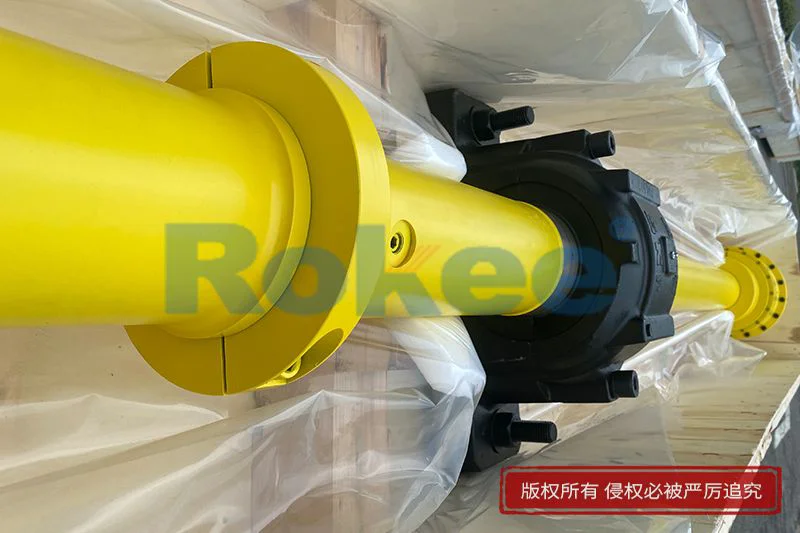
Metallurgical Steel Rolling Cardan Shaft
Rokee is a well-known Metallurgical Steel Rolling Cardan Shaft supplier from china, the page show cases of Metallurgical Steel Rolling Cardan Shaft, provide customized services based on user's drawings, and supporting exports.
In the complex and rigorous operational environment of metallurgical steel rolling production, mechanical transmission components serve as the fundamental guarantee for the stable operation of rolling mills, and the cardan shaft stands out as an indispensable core transmission part in the rolling system. This mechanical component is specially designed to adapt to the harsh working conditions of steel rolling processes, undertaking the critical task of transmitting rotational torque and power between driving devices and rolling rollers. Unlike ordinary transmission shafts used in general mechanical equipment, the cardan shaft for steel rolling needs to cope with extreme working conditions including heavy loads, frequent vibration, high-temperature radiation, and irregular axial displacement during long-term continuous operation. Its structural rationality, material durability and operational stability directly determine the production efficiency of rolling mills, the surface quality of steel products and the overall service life of metallurgical rolling equipment. With the continuous upgrading of the steel industry towards large-scale, high-speed and refined production, the performance requirements for steel rolling cardan shafts have been continuously improved, driving the continuous optimization and innovation of its structural design, material processing and manufacturing technology.
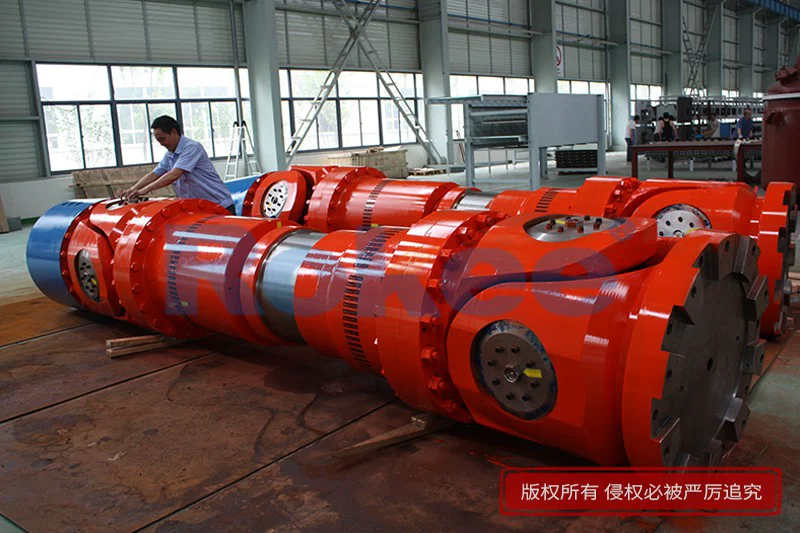
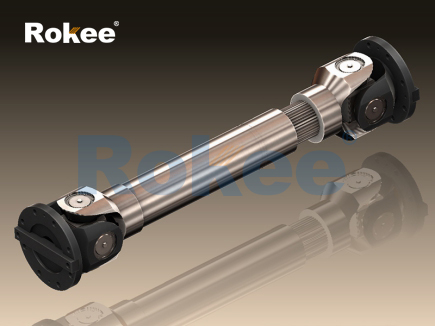
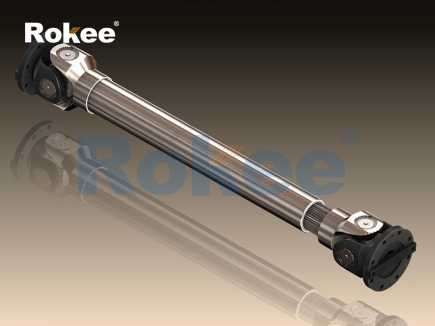
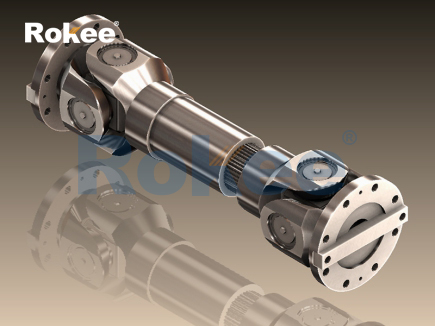
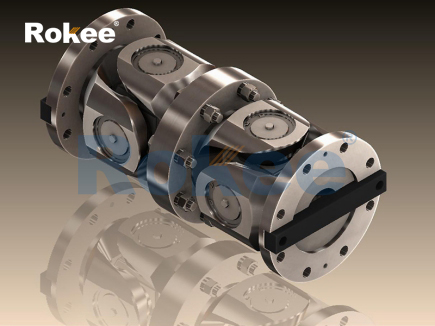
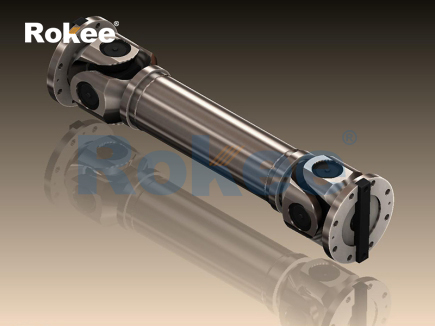
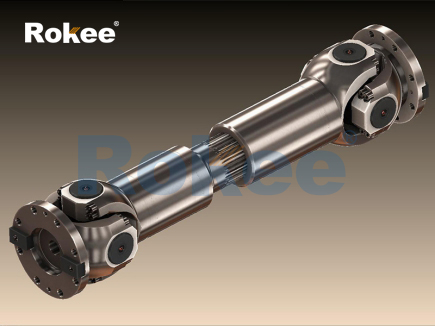
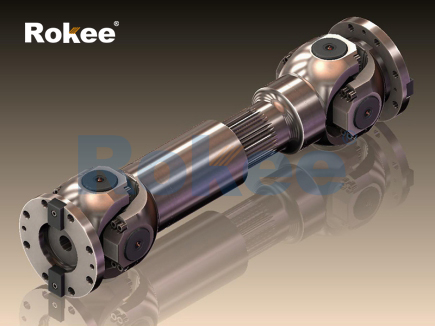
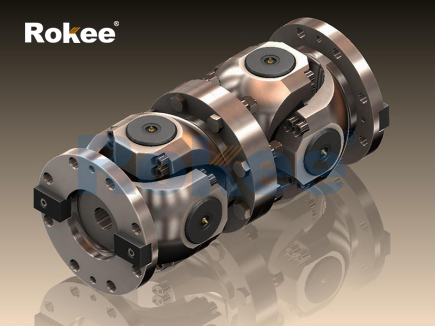
The basic structural composition of metallurgical steel rolling cardan shafts follows the mechanical logic of universal hinge transmission, and each component is optimized and reinforced according to the characteristics of steel rolling working conditions. The main body is composed of universal joint assemblies, intermediate shaft bodies, telescopic structures and connecting end flanges. The universal joint assembly is the core force-bearing and transmission unit, which mainly includes cross shafts, rolling bearings and joint forks. The cross shaft adopts an integrated forging structure to realize multi-angle rotational connection between the joint forks, effectively solving the power transmission problem under the condition of angular deviation between the driving shaft and the driven shaft. The internal rolling bearings of the universal joint are designed with high load-bearing capacity, adopting multi-row roller contact structures to disperse instantaneous impact loads generated during steel rolling, avoiding local stress concentration caused by concentrated force. The intermediate shaft body is usually made of high-strength alloy steel through integral forging and precision machining, with a smooth and compact surface structure that can withstand long-term torsional shear force and alternating load. The telescopic structure is arranged in the middle section of the shaft body, which relies on the cooperation of splines to realize free axial expansion and contraction. This design can effectively compensate for the axial displacement generated by the thermal expansion and contraction of rolling rollers during hot rolling production, as well as the position deviation caused by equipment vibration, ensuring continuous and stable power transmission without mechanical jamming. The connecting flanges at both ends are processed with high-precision mounting holes, which can realize tight assembly with the driving motor and rolling roller seats, reducing the vibration amplitude generated during high-speed rotation and improving the overall connection rigidity of the transmission system.
The working principle of the steel rolling cardan shaft is based on the kinematic characteristics of the universal hinge mechanism and the mechanical transmission law of torque conversion. In the rolling production line, the power output by the driving motor is transmitted to the flange of the cardan shaft, and the torque is evenly transmitted to the cross shaft through the joint fork. The cross shaft uses its own spatial rotation flexibility to adapt to the angle offset between the power input end and the output end, and converts the unidirectional rotational power into stable torsional power suitable for roller operation. During the operation of the rolling mill, the rolling rollers will produce subtle vertical and horizontal displacement under the action of rolling force and high temperature. The telescopic spline structure of the cardan shaft can automatically adjust the axial length to adapt to the displacement change, maintaining the coaxiality of the transmission system within a reasonable range. In the process of torque transmission, the roller bearings inside the universal joint continuously perform rolling friction, which reduces the friction resistance between the cross shaft and the joint fork, improves the transmission efficiency, and lowers the mechanical energy loss in the power transmission link. For continuous rolling units with multiple rolling mills operating in tandem, multiple cardan shafts cooperate with each other to form a complete transmission chain, realizing synchronous rotation of each roller, ensuring the consistency of steel rolling speed and providing stable power support for the continuous forming of steel blanks.
Material selection and manufacturing processes are the key factors that determine the comprehensive performance of metallurgical steel rolling cardan shafts. Considering the harsh working environment of steel rolling equipment, the raw materials of cardan shafts need to have excellent comprehensive mechanical properties such as high strength, high toughness, wear resistance and fatigue resistance. The main shaft body and cross shaft are mostly made of low-alloy high-strength steel with stable metallographic structure. After integral die forging, the internal grain structure of the metal is compacted to eliminate internal pores and impurities, significantly improving the torsional resistance and impact resistance of the material. The bearing parts in the universal joint adopt special bearing steel with high hardness, which undergoes vacuum heat treatment to optimize the hardness and wear resistance of the material surface, so as to resist the friction loss caused by long-term high-speed rolling. In terms of processing technology, all mating surfaces of the cardan shaft are processed by precision turning and grinding to ensure the smoothness and dimensional accuracy of the contact surface. The spline pair of the telescopic structure adopts cold extrusion forming technology to improve the surface density of the spline, reduce the friction coefficient during expansion and contraction, and avoid jamming and abrasion during frequent telescopic movement. In addition, the surface of the cardan shaft will be treated with anti-oxidation and high-temperature resistant coatings. This surface treatment can effectively isolate high-temperature hot-rolled steel scales and humid air, reduce surface oxidation corrosion and thermal fatigue damage, and extend the service cycle of components in high-temperature metallurgical workshops.
Metallurgical steel rolling cardan shafts are widely applied in various types of rolling mill equipment, covering hot rolling, cold rolling, plate rolling and wire rod rolling production processes. In the hot rolling production line, the cardan shaft needs to work in an environment with ambient temperature exceeding one hundred degrees Celsius, bearing the heavy rolling force of high-temperature steel blanks. Its excellent high-temperature resistance and structural stability can avoid transmission failure caused by thermal deformation of components. In the cold rolling process, the cardan shaft is required to maintain high-precision rotational stability to ensure the flatness and dimensional accuracy of thin steel plates. The low clearance matching design of the cardan shaft can effectively reduce rotational runout and meet the high-precision transmission requirements of cold rolling mills. For heavy plate rolling mills with large rolling tonnage, the thickened shaft body and reinforced universal joint structure of the cardan shaft can withstand ultra-large instantaneous impact loads, adapting to the rolling processing of thick steel plates and alloy steel blanks. In high-speed wire rod rolling units, the optimized lightweight shaft body and low-friction bearing structure enable the cardan shaft to adapt to high-speed rotation, ensuring the continuity and efficiency of wire rod rolling production. Whether it is a single-stand rolling mill for intermittent production or a multi-stand continuous rolling mill for automated assembly line production, the cardan shaft can adjust its transmission state according to different production rhythms to match the operational requirements of various rolling processes.
In the long-term service process, metallurgical steel rolling cardan shafts will inevitably face wear, fatigue and aging problems affected by working conditions, and regular maintenance and scientific fault diagnosis are essential to maintain operational stability. The most common wear parts of the cardan shaft are the universal joint bearings and the spline matching surfaces. Long-term friction will lead to bearing clearance increase and spline surface abrasion, resulting in increased vibration and abnormal noise during equipment operation. Regular lubrication maintenance can effectively reduce such wear. High-temperature resistant lubricating grease is injected into the bearing cavity and spline gap to form a stable lubricating oil film, isolating metal direct friction and reducing wear loss. During the daily inspection process, staff need to focus on checking the fastening state of connecting bolts, the surface wear degree of the shaft body, and the flexibility of telescopic movement. For the micro-cracks and fatigue pits generated on the surface of the shaft body due to alternating loads, non-destructive testing technology can be used for regular detection to eliminate potential safety hazards in advance. When the cardan shaft is shut down for maintenance, the accumulated oxide scales and dust on the surface should be cleaned to avoid hard particles from entering the matching gap and causing abrasive wear. Reasonable maintenance cycles and standardized maintenance operations can not only reduce the failure rate of the cardan shaft, but also delay the aging speed of components and reduce the replacement cost of mechanical parts in metallurgical production.
With the iterative upgrading of metallurgical technology and the continuous improvement of steel product quality standards, the development trend of metallurgical steel rolling cardan shafts is gradually moving towards lightweight, high durability, intelligent monitoring and energy-saving transmission. In terms of structural optimization, designers continuously optimize the shaft body section and universal joint structure through mechanical simulation calculation, removing redundant structures on the premise of ensuring load-bearing capacity, reducing the self-weight of the cardan shaft, and lowering the rotational inertia during operation, which helps to reduce equipment energy consumption. In terms of material innovation, new alloy composite materials are gradually applied to the processing of cardan shaft components. These materials have stronger high-temperature resistance and fatigue resistance, and can maintain stable mechanical properties in more extreme working environments. In terms of intelligent monitoring, some improved cardan shafts are equipped with built-in vibration and temperature sensing elements. The real-time operating data of the shaft body is transmitted to the industrial control system, which realizes real-time monitoring of operating status, automatic early warning of abnormal vibration and temperature, and improves the intelligent maintenance level of transmission components. In addition, the sealing performance of the cardan shaft is constantly optimized. The multi-layer composite sealing structure can effectively prevent high-temperature dust, cooling water and corrosive substances from entering the interior of the universal joint, further improving the environmental adaptability of the cardan shaft.
As an important basic transmission component in the metallurgical steel rolling industry, the cardan shaft undertakes the heavy responsibility of power transmission for rolling mill equipment. Its structural design, material performance and manufacturing level are closely related to the production capacity and product quality of steel enterprises. In the harsh metallurgical production environment, it relies on its unique universal transmission principle and optimized mechanical structure to overcome various adverse factors such as heavy load, high temperature and vibration, providing reliable mechanical guarantee for the rolling forming of various steel products. Although the cardan shaft is a concealed mechanical component in the production line without direct contact with steel products, its operational stability is an indispensable part of the normal operation of the entire rolling production system. In the future, driven by industrial upgrading and technological progress, metallurgical steel rolling cardan shafts will continue to carry out technological innovations in structure, materials and intelligent monitoring, continuously adapt to the higher production requirements of the modern steel industry, provide more efficient and durable transmission solutions for rolling mill equipment, and lay a solid mechanical foundation for the high-quality development of the metallurgical steel manufacturing industry.
With excellent quality, we have been continuously providing many coupling products of various categories and uses complying with multiple standards and a full range of services, from the product selection to final installation and operation, for the industry fields of ferrous metallurgy, nuclear power, gas turbine, wind power, ropeway construction, lifting transportation, general equipment, etc.
pu sandwich panel line,pu sandwich panel machine,sandwich panel machine
« Metallurgical Steel Rolling Cardan Shaft » Latest Update Date: May 9, 2026
https://www.rokeecoupling.net/cases/metallurgical-steel-rolling-cardan-shaft.html