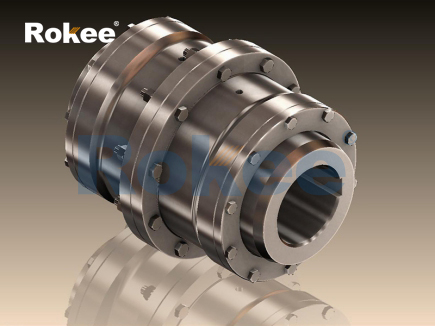
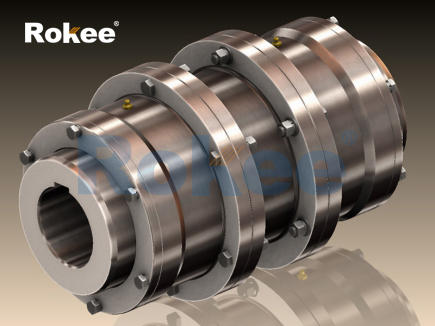
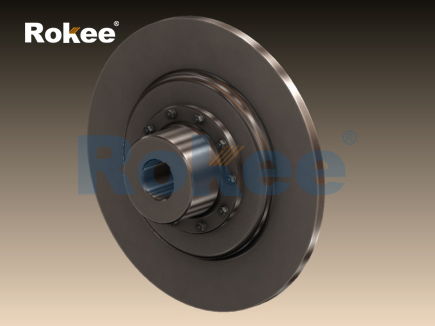
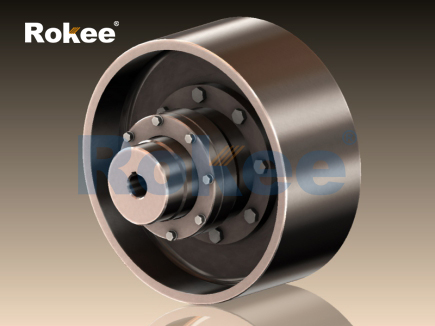
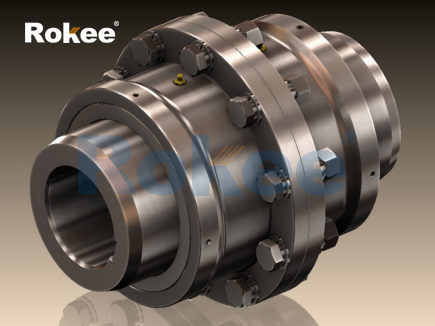
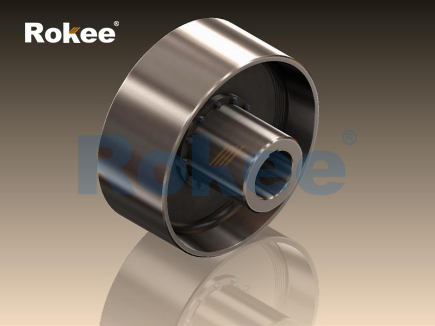
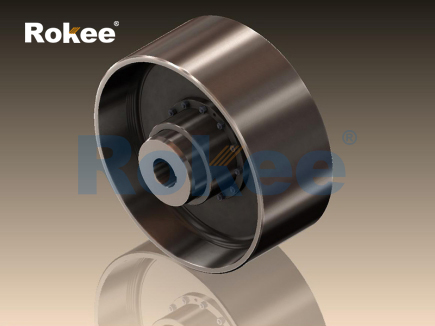
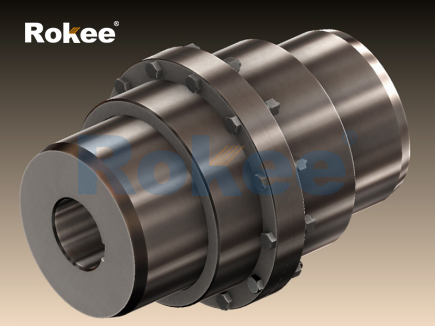
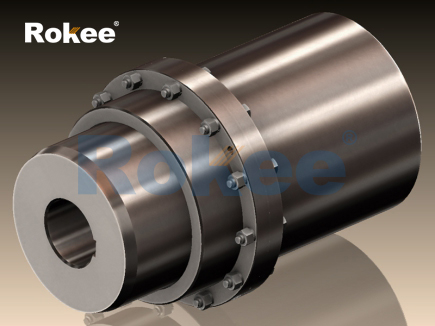
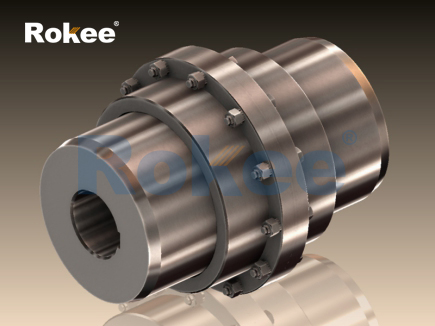
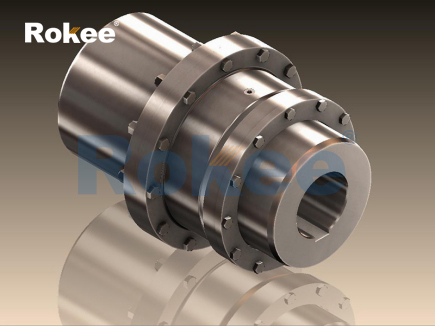
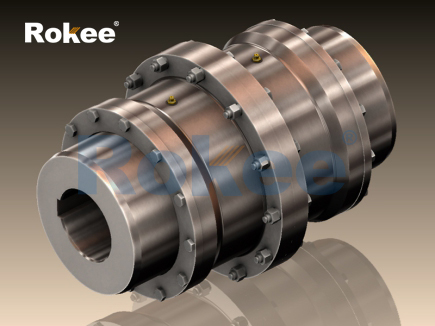
The continuous advancement of modern mechanical engineering has placed higher demands on the precision, stability and service life of transmission components, and teeth couplings have emerged as one of the most indispensable core parts in heavy-duty mechanical transmission systems. A refined 3D model of teeth couplings serves as a fundamental digital carrier for structural analysis, performance optimization, processing simulation and assembly verification, presenting the intricate mechanical structure, meshing logic and motion characteristics of such couplings in an intuitive and visualized three-dimensional form. Unlike two-dimensional engineering drawings that are limited by planar expression, the 3D model restores the spatial positional relationship between all components of teeth couplings, enabling engineering researchers and technical personnel to deeply explore the mechanical principles, structural advantages and potential optimization directions of this typical rigid movable coupling. With the widespread application of digital modeling technology in the mechanical manufacturing industry, the high-precision 3D model of teeth couplings has gradually become an essential technical tool covering product design, production processing, equipment debugging and post-maintenance, effectively bridging the gap between theoretical mechanical design and practical industrial application.
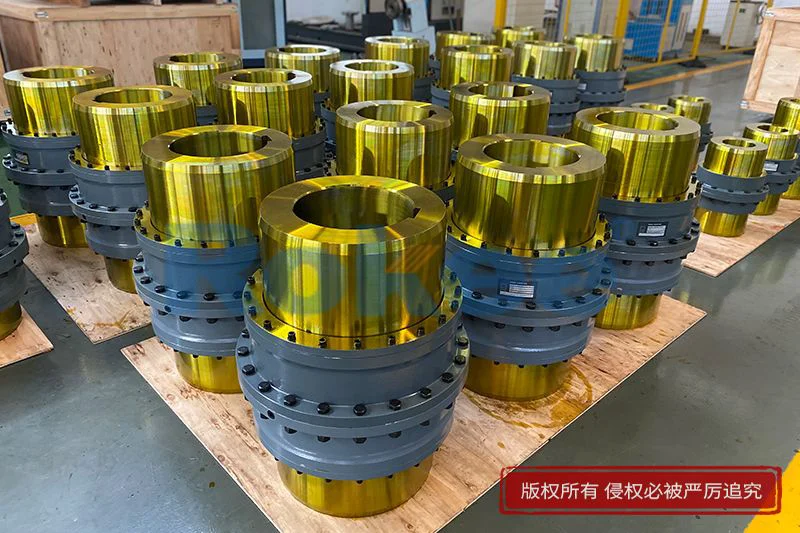
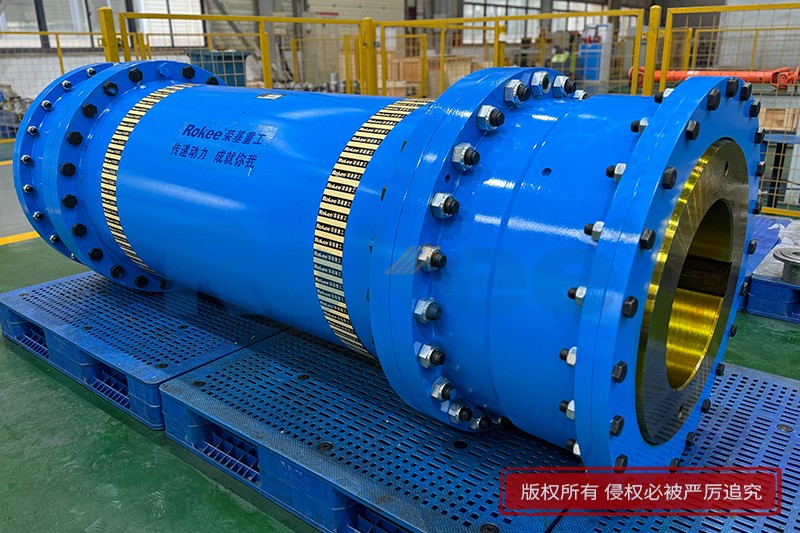
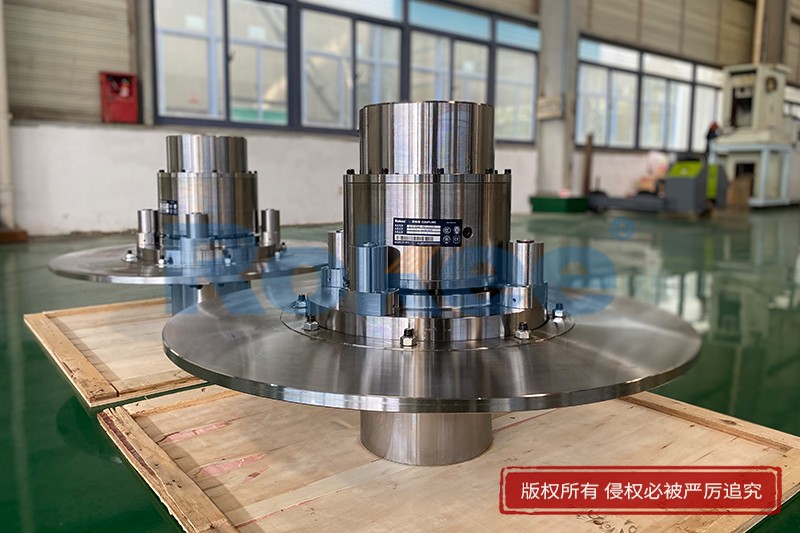
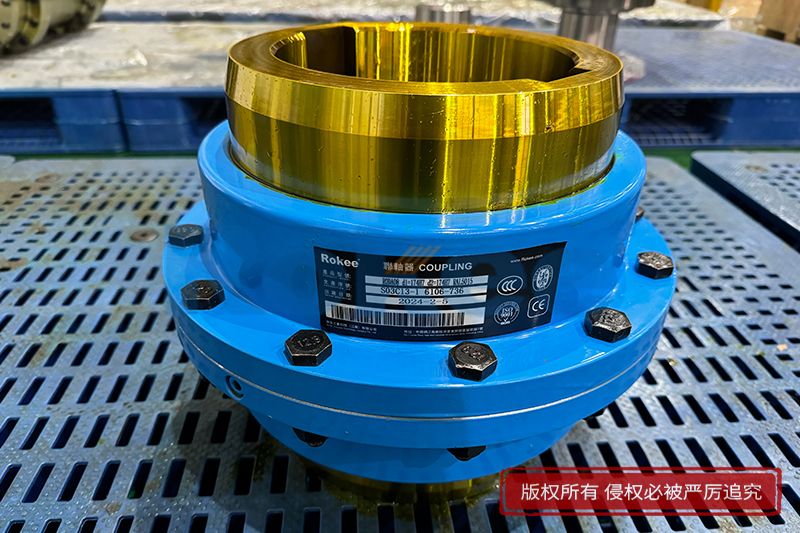
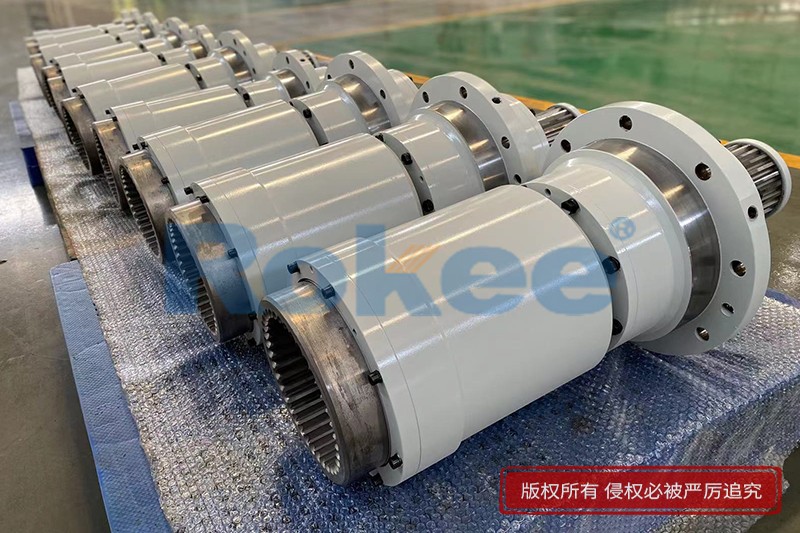
The basic structural composition displayed by the 3D model of teeth couplings is highly consistent with the physical prototype, retaining all core mechanical components without redundant simplified structures. The model mainly includes outer gear sleeves with external teeth, inner gear rings with internal teeth, connecting flanges, fastening parts and sealed end covers, and each component is arranged in a compact and reasonable spatial layout. In the three-dimensional perspective, the meshing state between external teeth and internal teeth can be clearly observed. Most external teeth adopt a crown-shaped curved tooth profile, which is distinctly presented in the local amplification module of the 3D model. This special tooth profile design enables the tooth surface to have a reasonable gap during meshing, laying a structural foundation for the coupling to compensate for multi-dimensional axis deviation. The inner gear ring is matched with the outer gear sleeve in a nested structure, and the inner wall tooth profile fits accurately with the outer gear contour. The flanges distributed at both ends of the model are provided with uniform connecting holes, which are used for docking and fixing with mechanical shafts, and the hole position accuracy and aperture size in the model strictly comply with general mechanical manufacturing standards. The sealed end covers are installed at the two ends of the inner gear ring, forming a closed inner space together with the gear meshing area. This structural detail in the model intuitively reflects the protective design of the coupling, which can effectively isolate external dust, moisture and corrosive substances in practical operation.
From the perspective of mechanical motion simulation, the 3D model of teeth couplings can reproduce the complete torque transmission process under different operating conditions. When the driving shaft drives one side of the outer gear sleeve to rotate, the external teeth mesh with the internal teeth of the inner gear ring to generate continuous friction and extrusion force, and the torque is stably transmitted to the driven shaft through the meshing pair. The three-dimensional dynamic simulation function of the model can visually display the axial sliding and angular offset of the tooth surface during the rotation process. In actual industrial operation, mechanical equipment is inevitably affected by installation errors, equipment vibration and thermal expansion, resulting in minor relative displacement between the connected two shafts. The reserved tooth side gaps and crown-shaped tooth profiles in the 3D model clearly explain the compensation mechanism of teeth couplings. The model can simulate radial displacement, axial displacement and angular deflection within a certain range, and record the stress distribution and deformation degree of each tooth surface in real time during the displacement compensation process. This intuitive dynamic presentation makes it easier for technical personnel to understand why teeth couplings can maintain stable transmission under non-ideal coaxial conditions, and also reveals the mechanical essence of their adaptability to complex working conditions.
Material attribute configuration is a key part of the refined 3D model of teeth couplings, and the model endows each component with physical parameters consistent with industrial practical materials to ensure the authenticity of performance simulation. The outer gear sleeve and inner gear ring, as the main force-bearing components, are configured with high-strength alloy steel material attributes in the model, featuring high hardness, good toughness and strong fatigue resistance. The heat treatment process parameters such as quenching and tempering are embedded in the material attribute module of the model, which can simulate the structural strength changes of the gear surface after processing. The fastening bolts and sealing auxiliary parts are matched with corresponding carbon steel and rubber composite materials, taking into account the tensile resistance of connecting parts and the sealing flexibility of protective components. By setting different material parameter combinations in the 3D model, researchers can compare the bearing capacity, wear resistance and deformation resistance of couplings made of different materials. This simulation-based material selection method avoids the time cost and economic loss of repeated physical sample tests, and provides reliable data support for the material optimization of teeth couplings. In addition, the model can also mark the material thickness and processing tolerance of each component, standardizing the dimensional accuracy requirements in the actual processing and manufacturing process.
Finite element analysis based on the 3D model is one of the most valuable application scenarios of digital modeling. The high-precision geometric contour of the model can be directly imported into mechanical simulation software to conduct multi-dimensional mechanical performance tests. Under the set heavy-load torque condition, the stress cloud diagram generated by the model can clearly show the high-stress concentration area of the tooth surface, the maximum stress value of the meshing part and the stress transfer path between components. The strain simulation module can detect the tiny elastic deformation of the gear teeth during meshing, and judge whether the structural design has the risk of plastic deformation or fracture under extreme load. Meanwhile, the vibration and noise simulation of the 3D model can analyze the friction impact between tooth surfaces at different rotation speeds, evaluate the operation stability of the coupling, and identify the structural defects that may cause excessive vibration. For the common wear failure of teeth couplings in industrial use, the model can also carry out wear fatigue simulation, predict the wear degree of tooth surface after long-term operation, and calculate the service life of components under different working intensities. These quantitative analysis results derived from the 3D model provide clear optimization directions for structural improvement, such as adjusting the tooth profile curvature, optimizing the tooth gap size and increasing the local thickness of high-stress parts.
In terms of processing and assembly guidance, the 3D model of teeth couplings simplifies the complex production and installation process with visualized spatial display. The model can realize split display and perspective observation of all components, clearly showing the assembly sequence and docking mode between parts. Technicians can simulate the assembly process in advance through the model, verify the rationality of the structural connection relationship, and eliminate assembly interference risks caused by unreasonable dimensional design. For the turning, milling and grinding processes of gear parts, the 3D model can generate accurate processing reference data, including tooth profile curve parameters, outer contour size and hole position distribution, to ensure the consistency between processed parts and design standards. In addition, the model can also complete the disassembly simulation of the coupling, mark the disassembly sequence of fastening parts and the separation mode of nested structures, which provides intuitive operation guidelines for the daily maintenance and component replacement of industrial equipment. Compared with traditional text-based operation specifications, the three-dimensional simulation process is more straightforward, reducing the operation errors caused by ambiguous text understanding.
The optimization space of the 3D model of teeth couplings is constantly expanding with the upgrading of digital technology. On the basis of retaining the basic transmission structure, the lightweight optimization of the model has become an important research direction. By adjusting the wall thickness of the inner gear ring and optimizing the transition radian of the flange connection part, the model can reduce the overall weight of the coupling while ensuring the bearing strength, which helps to reduce the self-load of mechanical equipment and improve energy utilization efficiency. The lubrication structure optimization is also reflected in the upgraded 3D model. The reserved lubrication channel and oil storage gap in the model can simulate the flow state of lubricating grease in the closed cavity, optimize the lubricant distribution path, and reduce the dry friction and wear between meshing tooth surfaces. Moreover, the sealed protection structure of the model can be iteratively optimized according to different working environments. For high-dust and high-humidity industrial scenarios, the model can add multi-layer sealing structures to enhance the anti-pollution ability of the coupling and extend the service cycle of internal gear components.
In the industrial application field, the 3D model of teeth couplings has covered multiple heavy-duty mechanical scenarios including metallurgical equipment, mining machinery, chemical transmission devices and large-scale pumping systems. Different working conditions have put forward differentiated performance requirements for couplings, and the adjustable parameter characteristics of the 3D model can meet the personalized design needs of various industries. For low-speed and heavy-load mining equipment, the model can increase the number of gear teeth and optimize the tooth body thickness to improve the torque bearing capacity; for high-speed rotating fluid transmission equipment, the model can polish the tooth surface contour, reduce meshing friction resistance, and lower operation vibration and noise. The data information accumulated by the 3D model in different scenario simulations can form a complete performance database, which provides a reference basis for the serialized design of teeth couplings. In addition, the model can also be combined with digital twin technology to build a virtual mapping system for physical couplings, realize real-time monitoring of operating status, fault early warning and performance trend prediction, and further improve the intelligent operation level of mechanical transmission systems.
Although the current 3D modeling technology of teeth couplings has matured gradually, there are still some technical details to be further improved. In the existing models, the microscopic friction state of the tooth surface meshing contact is mostly simplified, and it is difficult to fully restore the uneven wear characteristics of the microscopic texture of the tooth surface during long-term operation. The thermal deformation simulation module of the model needs to be further optimized to accurately reflect the structural dimensional changes of couplings under high-temperature continuous operation. In the future, with the integration of high-precision scanning technology and artificial intelligence algorithms, the 3D model of teeth couplings will develop towards higher precision and smarter simulation. The reverse modeling technology can collect the structural data of failed physical couplings through scanning, build an accurate failure analysis model, trace the root cause of component damage, and provide targeted improvement schemes for product iteration. The intelligent algorithm can automatically optimize the structural parameters according to the working condition data, realizing the intelligent matching between coupling design and industrial application scenarios.
In conclusion, the 3D model of teeth couplings is not only an intuitive digital display carrier of mechanical structure, but also an important technical tool integrating design, simulation, analysis and optimization. It systematically presents the structural composition, transmission principle and mechanical characteristics of teeth couplings, and provides reliable data support and visual technical reference for product design optimization, processing and manufacturing, equipment assembly and later maintenance. With the continuous development of industrial digitalization, the refinement degree and simulation performance of the 3D model will be further improved, continuously releasing application value in heavy-duty transmission industries. As a classic rigid movable coupling, teeth couplings will rely on digital modeling technology to continuously optimize structural performance, adapt to more complex and diverse industrial working conditions, and provide stable and efficient transmission guarantee for the safe operation of modern mechanical equipment. The in-depth research and application of the 3D model will also promote the standardized and intelligent development of the coupling manufacturing industry, laying a solid foundation for the upgrading of the entire mechanical transmission field.
- Tags:
- Teeth Couplings ,
- sandwich panel line ,
- sandwich panel machine
- pu sandwich panel machine
« 3D Model of Teeth Couplings » Latest Update Date: May 21, 2026
https://www.rokeecoupling.net/blog/3d-model-of-teeth-couplings.html