In the complex system of crane operations, every component plays a vital role in ensuring safety, efficiency, and reliability. Among these components, the barrel coupling stands out as a critical mechanical element that connects key parts of the crane’s transmission system, enabling the seamless transfer of torque while accommodating misalignments and mitigating operational stresses. Cranes are indispensable in a wide range of industries, from construction and manufacturing to ports and logistics, where they handle heavy loads with precision and stability. The performance of a crane is directly dependent on the quality and functionality of its individual parts, and the barrel coupling is no exception—it acts as a bridge between the gearbox output shaft and the cable drum, two components that are essential for the crane’s lifting and hoisting capabilities. Without a properly functioning barrel coupling, the crane’s ability to transmit power efficiently would be compromised, leading to potential downtime, reduced productivity, and even safety hazards.
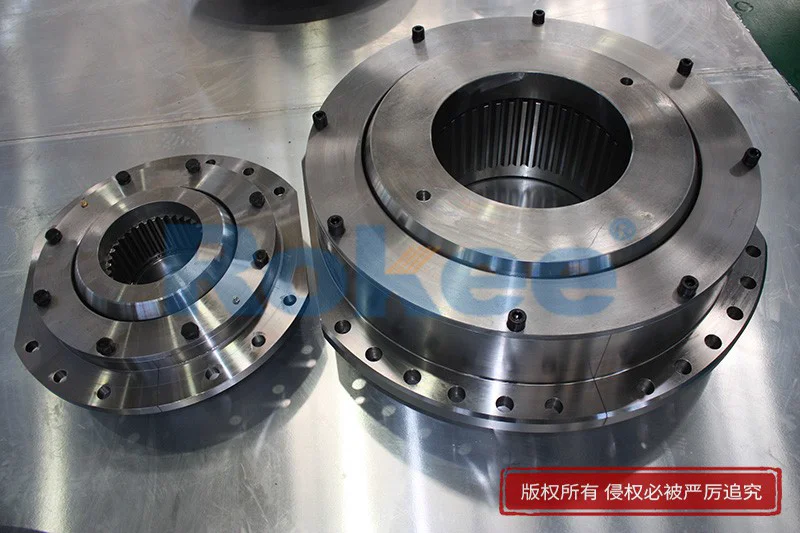
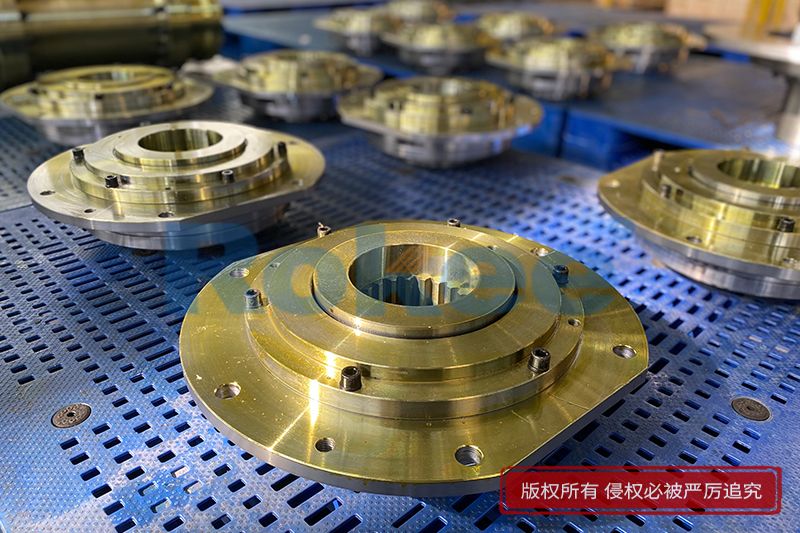
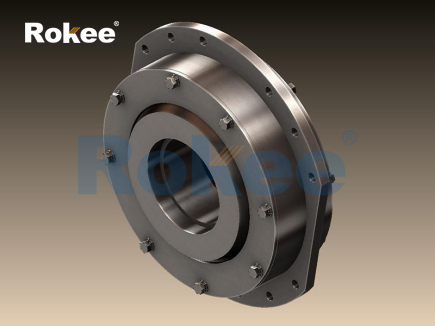
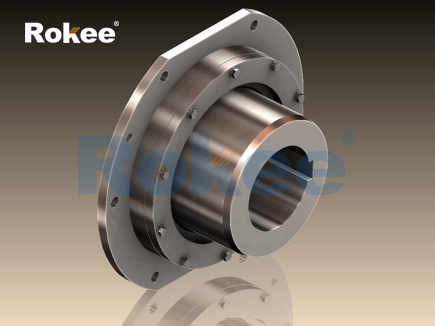
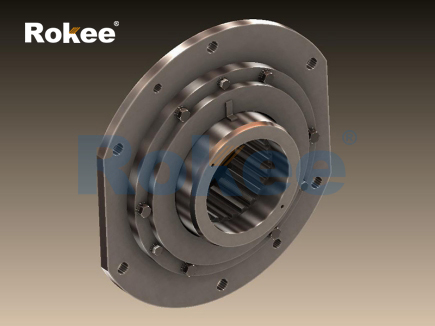
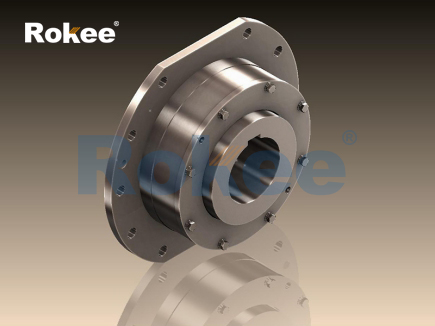
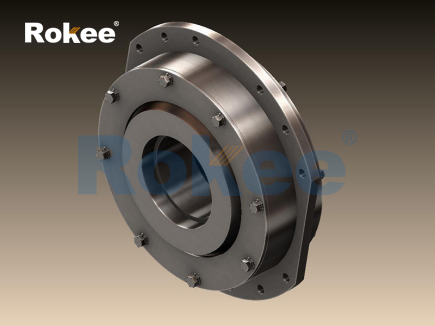
A barrel coupling is a specialized mechanical component designed specifically for torque transmission and shaft alignment in rotational systems, with a particular focus on meeting the rigorous demands of crane applications. Unlike other types of couplings, it features a unique cylindrical structure that gives it distinct advantages in handling heavy loads, compensating for misalignments, and ensuring long-term durability. The core design of a barrel coupling typically consists of a sleeve and a hub, both equipped with semicircular toothing around their internal and external diameters, respectively. Between these toothed surfaces, a series of cylindrical barrels—usually made of hardened steel—are inserted to act as the primary torque transmission elements. This design allows the coupling to transfer rotational force evenly while also providing the flexibility needed to absorb various types of misalignments that are common in crane operations.
The structural composition of a barrel coupling is carefully engineered to withstand the harsh conditions of crane use, where heavy loads, frequent start-stop cycles, and environmental factors can take a toll on mechanical components. The sleeve and hub are typically crafted from high-strength materials, such as carbon steel or alloy steel, which are chosen for their excellent tensile strength, fatigue resistance, and ability to withstand high levels of stress. The cylindrical barrels, which are the heart of the coupling’s torque transmission system, are hardened to enhance their wear resistance and durability, ensuring that they can withstand the constant friction and pressure generated during operation. Additionally, most barrel couplings are equipped with internal and external covers fitted with lip seals, which serve to protect the internal components from contaminants such as dust, dirt, and moisture. These seals also help to retain lubricant, which is essential for reducing friction between moving parts and extending the coupling’s service life.
One of the key functional principles of a barrel coupling is its ability to transmit torque efficiently while compensating for shaft misalignments. In crane applications, misalignments between the gearbox output shaft and the cable drum are inevitable due to a variety of factors, including mounting inaccuracies, structural deformation, and normal wear and tear of moving parts. If left uncompensated, these misalignments can generate enormous additional forces on the gearbox output shaft, leading to fatigue, breakage, and damage to bearings and gears. The barrel coupling addresses this issue by acting as an articulated joint, making the connection between the gearbox and the cable drum statically determinate and avoiding the occurrence of high bending moments. This flexibility allows the coupling to absorb angular, radial, and axial misalignments, reducing the stress on downstream components and ensuring the smooth operation of the crane’s transmission system.
The torque transmission process in a barrel coupling is achieved through the interaction between the cylindrical barrels and the semicircular toothing on the sleeve and hub. When the gearbox output shaft rotates, it drives the hub of the coupling, which in turn transfers the rotational force to the barrels. The barrels then transmit this force to the sleeve, which is connected to the cable drum, causing the drum to rotate and lift or lower the load. The design of the semicircular toothing and the cylindrical barrels ensures that the torque is distributed evenly across the contact surfaces, minimizing stress concentrations and reducing the risk of wear or failure. This even distribution of torque also allows the coupling to handle high load capacities, making it suitable for use in heavy-duty cranes, such as container cranes and gantry cranes, which are required to lift extremely heavy loads on a regular basis.
Another important feature of barrel couplings for cranes is their ability to withstand radial loads, which are common in lifting applications. When a crane lifts a load, the cable drum is subjected to significant radial forces, which are transferred to the coupling. The barrel coupling’s design, with its large contact area between the barrels and the toothing, allows these radial loads to be distributed evenly, reducing the stress on individual components and increasing the overall lifespan of the coupling. This is a significant advantage over other types of couplings, which may be more susceptible to damage from radial loads due to their smaller contact areas or less robust designs. Additionally, the use of high-strength materials in the construction of the coupling ensures that it can withstand these radial loads without deforming or failing, even under prolonged use.
In crane applications, the barrel coupling is primarily used to connect the gearbox output shaft to the cable drum, which is the core component of the crane’s lifting mechanism. The cable drum, around which a rope or chain is wrapped, is responsible for lifting and lowering the load, and its rotation is driven by the gearbox through the barrel coupling. This connection is critical for ensuring that the power generated by the crane’s motor is efficiently transmitted to the cable drum, allowing for precise control of the load’s movement. Barrel couplings are also used in other parts of the crane’s transmission system, such as winch conveyors and platform hoists, where they perform the same essential function of torque transmission and misalignment compensation.
The importance of barrel couplings in crane operations cannot be overstated, as they directly impact the safety, efficiency, and reliability of the equipment. A well-designed and properly maintained barrel coupling can help to minimize downtime, reduce maintenance costs, and ensure that the crane operates at peak performance. In contrast, a faulty or worn coupling can lead to serious problems, such as gearbox failure, cable drum jamming, or even load drops, which can result in significant damage to equipment, property, and even human life. Therefore, it is essential for crane operators and maintenance personnel to understand the function and importance of barrel couplings, and to implement proper maintenance practices to ensure their long-term performance.
When it comes to the installation of barrel couplings in cranes, several key considerations must be taken into account to ensure optimal performance. First and foremost, the coupling must be properly aligned with both the gearbox output shaft and the cable drum. While the barrel coupling is designed to compensate for misalignments, excessive misalignment can still lead to increased wear, reduced efficiency, and premature failure. Therefore, during installation, care should be taken to ensure that the shafts are aligned as accurately as possible, using appropriate alignment tools and techniques. Additionally, the coupling must be securely fastened to both shafts using high-quality bolts or other fasteners, which should be tightened to the recommended torque specifications to prevent loosening during operation.
Lubrication is another critical aspect of barrel coupling maintenance, as it helps to reduce friction between the moving parts, prevent corrosion, and extend the coupling’s service life. The internal components of the barrel coupling, including the barrels and the toothing on the sleeve and hub, should be lubricated with a high-quality lubricant that is specifically designed for heavy-duty mechanical applications. The lubricant should be applied regularly, according to the manufacturer’s recommendations, and the level of lubricant should be checked periodically to ensure that it is sufficient. Additionally, the seals on the coupling should be inspected regularly to ensure that they are intact and functioning properly, as damaged seals can lead to lubricant leakage and the ingress of contaminants.
Regular inspection and maintenance are essential for ensuring the long-term performance and reliability of barrel couplings in cranes. Maintenance personnel should inspect the coupling regularly for signs of wear, damage, or misalignment. This includes checking the barrels for wear, the toothing for signs of chipping or excessive wear, and the seals for damage or leakage. Additionally, the wear indicator, which is typically located on the external cover of the coupling, should be checked to monitor the wear and axial position of the sleeve relative to the hub. This indicator allows maintenance personnel to assess the condition of the coupling without disassembling it, making it easier to schedule maintenance and replace the coupling before it fails.
In the event that a barrel coupling needs to be replaced, it is important to select a coupling that is compatible with the crane’s specifications, including the shaft diameter, torque capacity, and misalignment compensation requirements. The replacement coupling should be of the same design and size as the original, or an equivalent that meets or exceeds the original specifications. Additionally, the replacement process should be carried out by trained and experienced personnel, who should follow the proper installation procedures to ensure that the new coupling is installed correctly and functions properly.
The performance of barrel couplings can also be influenced by environmental factors, such as temperature, humidity, and exposure to corrosive substances. In harsh environments, such as coastal ports or industrial facilities with high levels of dust or chemicals, additional measures may be needed to protect the coupling. This may include the use of specialized seals, corrosion-resistant materials, or protective covers to prevent damage from environmental contaminants. Additionally, in extreme temperature conditions, the lubricant used in the coupling may need to be adjusted to ensure that it maintains its viscosity and lubricating properties.
Over the years, advancements in materials and manufacturing techniques have led to improvements in the design and performance of barrel couplings for cranes. New materials, such as advanced alloys and composites, have been developed to enhance the strength, durability, and corrosion resistance of the coupling components. Additionally, improvements in manufacturing processes, such as precision machining and heat treatment, have allowed for more accurate and consistent production of barrel couplings, ensuring that they meet the strict quality standards required for crane applications. These advancements have also led to the development of couplings with higher torque capacities, greater misalignment compensation capabilities, and longer service lives, making them more reliable and efficient than ever before.
In conclusion, the barrel coupling is an essential component in crane operations, serving as a critical link between the gearbox output shaft and the cable drum. Its unique design and functional capabilities allow it to transmit torque efficiently, compensate for misalignments, and withstand the heavy loads and harsh conditions of crane use. Proper installation, lubrication, and maintenance are essential for ensuring the long-term performance and reliability of barrel couplings, which in turn contributes to the safety, efficiency, and productivity of crane operations. As cranes continue to play an increasingly important role in various industries, the demand for high-quality, reliable barrel couplings will continue to grow, driving further advancements in their design and manufacturing. Whether in construction sites, ports, or manufacturing facilities, the barrel coupling remains a vital part of the crane’s transmission system, ensuring that heavy loads are lifted and moved safely and efficiently every day.
- Tags:
- Barrel Couplings ,
- sandwich panel line ,
- sandwich panel machine
- pu sandwich panel machine
« Barrel Coupling For Crane » Latest Update Date: May 9, 2026
https://www.rokeecoupling.net/blog/barrel-coupling-for-crane.html