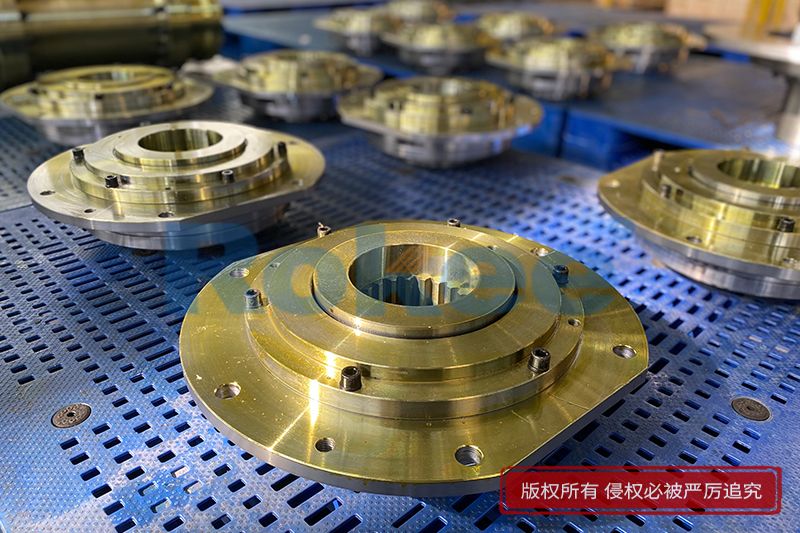
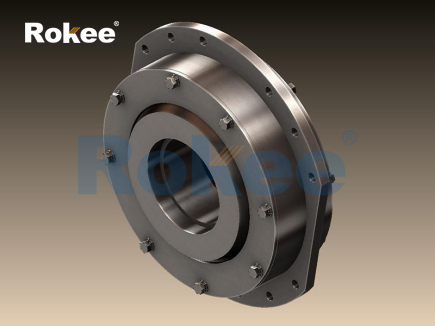
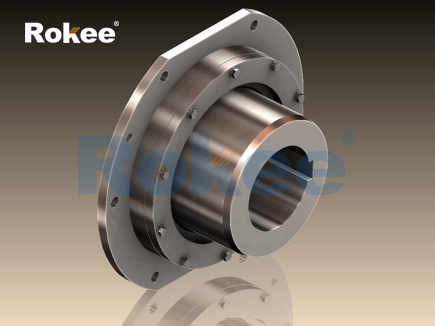
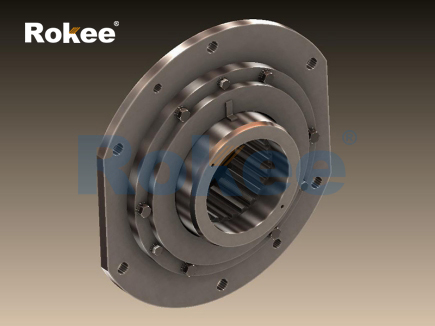
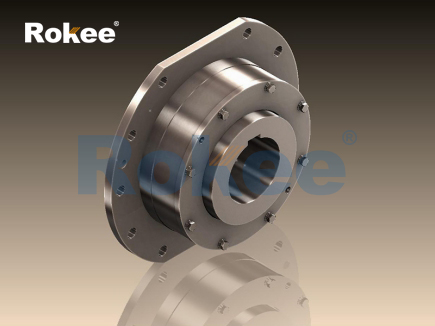
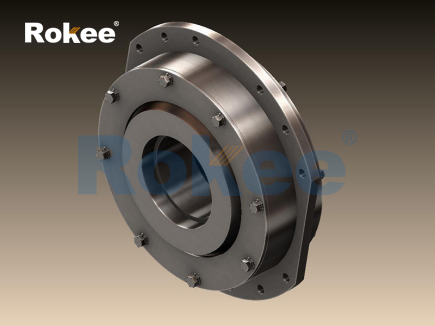
Barrel couplings stand as one of the most versatile and reliable mechanical connection components widely adopted in modern industrial transmission systems, serving as critical intermediate structures to connect two rotating shafts within mechanical equipment. Designed with a unique cylindrical outer contour and ingenious internal assembly structure, these coupling components excel at adapting to complex operating conditions, mitigating mechanical vibration, and compensating for shaft displacement, making them indispensable basic parts in mechanical transmission engineering. This catalogue elaborates on the structural characteristics, working mechanisms, material configurations, performance attributes, application scopes, installation specifications, maintenance guidelines and industrial application value of barrel couplings, aiming to provide comprehensive and systematic reference content for industrial practitioners engaged in mechanical design, equipment maintenance and system optimization.
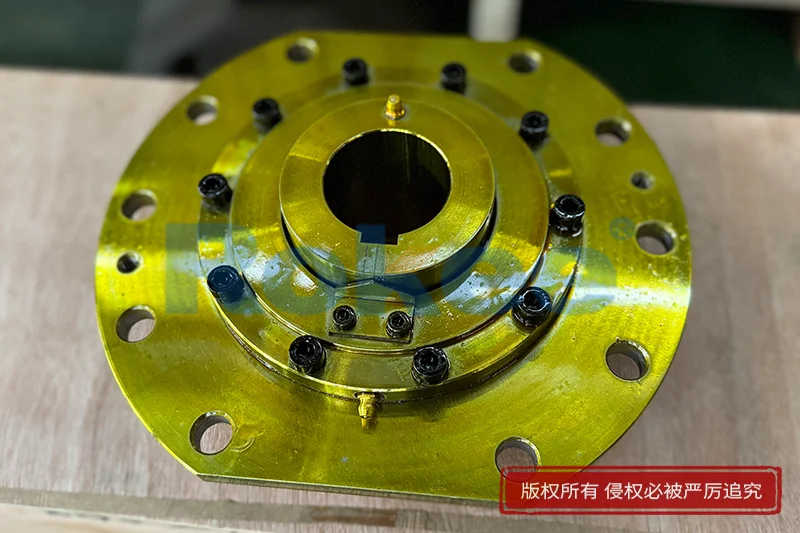
The fundamental structural composition of barrel couplings follows a compact and integrated design logic, abandoning the overly complex split structures of traditional connecting parts. The external main body presents a smooth cylindrical shell, which is the origin of its universal naming in the industrial field. Inside the cylindrical shell, core functional components include symmetric butt joint sections, elastic connecting media and limiting locking structures. The two ends of the barrel coupling are designed with standardized butt interfaces to fit the shaft bodies of different mechanical devices, ensuring precise docking between driving shafts and driven shafts. The internal elastic medium is evenly distributed in the circumferential gap of the cylinder, which can buffer the mechanical impact generated during the rotation process. The limiting structure is embedded at the joint of the shell and the butt sections, effectively preventing axial displacement and circumferential deviation of components during high-speed operation. Compared with common flange couplings and sleeve couplings, the overall structure of barrel couplings is more streamlined, with no protruding parts on the outer surface, which reduces the space occupation of equipment assembly and avoids friction interference between components and peripheral mechanical structures in narrow working environments.
The working principle of barrel couplings centers on flexible transmission and displacement compensation, realizing stable power transmission while adapting to subtle deviations in mechanical operation. In the running state, the driving shaft transmits rotational torque to the coupling shell through the butt joint sections, and the internal elastic medium uniformly conducts torque to the driven shaft side by virtue of elastic deformation. When the connected shafts produce tiny angular deviation, radial offset or axial displacement due to equipment assembly errors, mechanical wear or operating vibration, the elastic components inside the barrel can produce controllable elastic deformation to absorb the displacement difference. This deformation characteristic avoids rigid friction and stress concentration between metal shaft bodies, thereby reducing mechanical loss in the torque transmission process. In addition, the closed cylindrical structure can constrain the vibration frequency generated by shaft rotation. The internal damping effect formed by the matching gap between components weakens resonance vibration in the transmission system, lowering the vibration amplitude of the overall equipment. Under high-load and high-speed operating conditions, this vibration suppression capability can effectively stabilize the operating state of mechanical equipment and extend the continuous running time of transmission components.
Material selection determines the basic mechanical properties and service life of barrel couplings, and the material configuration of different components follows targeted performance matching principles. The outer cylindrical shell and butt joint sections are mostly made of high-strength metal alloys with excellent tensile strength and hardness. Such metal materials can withstand high torque pressure and external mechanical extrusion during long-term operation, and maintain stable structural integrity under variable temperature environments. The internal elastic connecting media usually adopts polymer elastic materials or composite rubber materials, which have good toughness, fatigue resistance and deformation recovery ability. These elastic materials can keep stable elasticity after repeated compression and torsion, and are not easy to age and deform under continuous vibration. For barrel couplings used in special harsh environments, anti-corrosion and high-temperature resistant auxiliary materials will be added to the surface of metal components. The surface treatment process can isolate moisture, chemical corrosives and high-temperature airflow in the external environment, preventing metal oxidation rust and structural corrosion. The scientific combination of rigid metal materials and flexible elastic materials enables barrel couplings to balance structural stability and deformation flexibility, meeting the performance requirements of diversified industrial working conditions.
Barrel couplings possess multiple prominent performance advantages that distinguish them from other types of connecting couplings, covering transmission efficiency, environmental adaptability and operating stability. In terms of transmission performance, the internal circumferential uniform stress distribution structure makes the torque transmission more balanced, with low mechanical friction loss and high power transmission efficiency. Even in the state of variable load torque, the torque output remains stable without obvious fluctuation. In terms of displacement compensation, the optimized internal gap design enables the coupling to adapt to multiple types of shaft displacement simultaneously, including radial deviation within a certain range, angular deflection and axial telescopic displacement, which greatly reduces the assembly precision requirements of mechanical shafts. In terms of vibration and noise reduction, the closed cylinder structure and internal damping medium can effectively absorb vibration energy, reduce mechanical noise generated by shaft friction and collision, and improve the working comfort of the equipment operating space. Moreover, the integrated sealing design of barrel couplings can block external dust, particulate impurities and liquid contaminants from entering the internal matching gap, avoiding component abrasion caused by impurity accumulation and reducing the failure probability of transmission structures.
The application scope of barrel couplings covers numerous industrial production fields, showing strong environmental adaptability and scene compatibility. In the mechanical manufacturing industry, they are widely installed in automated production equipment, processing machine tools and transmission machinery, serving for the connection of power shafts of rotating components such as conveyor rollers and processing spindles to ensure the stable operation of automated production lines. In the energy power industry, barrel couplings are applied to power transmission structures of power generation equipment, water pump units and fan devices, adapting to continuous high-load operation and reducing equipment failure rates caused by shaft vibration. In the transportation machinery field, they are used in the transmission systems of engineering vehicles and logistics handling equipment, resisting mechanical impact generated during vehicle starting, braking and traveling. In addition, in the chemical processing industry with harsh working conditions, these couplings can operate stably in humid and slightly corrosive environments, providing reliable connection guarantee for chemical mixing equipment and fluid conveying power components. With the continuous upgrading of industrial manufacturing standards, barrel couplings are also gradually applied to precision mechanical equipment such as intelligent automation instruments and low-speed precision transmission devices.
Standardized installation procedures are essential to ensure the optimal performance of barrel couplings, and the whole installation process follows simple and efficient assembly characteristics. Before installation, staff need to check the surface flatness of the coupling shell, the integrity of internal elastic components and the smoothness of the shaft butt interface, removing surface burrs and residual impurities to avoid assembly gaps caused by foreign matter. In the docking stage, the two ends of the coupling are aligned with the driving shaft and the driven shaft respectively, and the axial position is adjusted to keep the two shafts on the same horizontal reference plane, minimizing the initial assembly deviation. After the position is calibrated, the locking parts are tightened evenly in a circumferential sequence to ensure uniform stress on the joint and prevent eccentric wear caused by uneven locking force. After the installation is completed, manual rotation detection is required to confirm that the coupling has no jamming and abnormal friction during rotation. The overall installation process does not require complex professional tools and complicated assembly steps, which can effectively shorten the equipment debugging cycle and improve industrial assembly efficiency.
Daily maintenance and regular inspection work directly affect the service life and operating stability of barrel couplings, and scientific maintenance management can reduce equipment operation costs. In daily use, it is necessary to regularly clean the outer surface of the coupling to remove accumulated dust and oil stains, keeping the outer shell smooth to avoid heat dissipation obstruction caused by surface dirt adhesion. For equipment operating in high-temperature and humid environments, surface anti-rust and anti-corrosion protection should be carried out regularly to repair slight wear and oxidation marks on the metal surface. During the regular shutdown inspection, staff need to observe the deformation degree of internal elastic components, replace aging and cracked elastic media in a timely manner to prevent transmission failure caused by elastic fatigue. It is also necessary to check the tightness of the locking structure regularly to avoid component loosening caused by long-term vibration. In addition, the operating temperature and vibration amplitude of the coupling should be monitored during equipment operation. Once abnormal noise and excessive temperature rise are found, the equipment should be shut down for inspection to eliminate potential mechanical hidden dangers.
In the context of continuous progress in modern industrial manufacturing technology, the iterative optimization direction of barrel couplings is closely combined with intelligent production and high-standard industrial requirements. In terms of structural optimization, the internal gap matching precision is continuously improved to reduce tiny friction loss during operation, and the lightweight design of the shell structure is realized on the premise of ensuring structural strength, so as to reduce the overall self-weight of mechanical equipment. In terms of material upgrading, new composite elastic materials and high-temperature resistant alloy materials are gradually applied to production and manufacturing, enhancing the extreme environmental adaptability of couplings and expanding their application boundaries in special industrial fields. In terms of processing technology, precision machining and integrated molding technology replace traditional cutting and splicing processes, making the component structure more compact and the stress distribution more uniform. With the continuous expansion of industrial production scale and the improvement of equipment precision requirements, barrel couplings will be further optimized in terms of transmission stability, environmental adaptability and service cycle, and become a more core basic connecting component in the mechanical transmission industry.
As a mature and practical mechanical connecting component, barrel couplings integrate simple structural design, excellent transmission performance and convenient maintenance characteristics, and have irreplaceable application value in various industrial fields. Their unique cylindrical sealing structure, flexible displacement compensation capability and stable vibration reduction effect solve many common connection problems in mechanical transmission, including shaft position deviation, operating vibration and component wear. From basic mechanical processing to large energy transmission equipment, barrel couplings always maintain reliable operating performance under different working conditions. In the future, with the continuous innovation of material technology and processing technology, barrel couplings will keep pace with the development of modern industry, continuously optimize structural performance and adapt to more complex and diversified mechanical operating environments, providing solid basic component support for the high-quality development of the global mechanical manufacturing industry.
- Tags:
- Barrel Couplings ,
- sandwich panel line ,
- sandwich panel machine
- pu sandwich panel machine
« Catalogue of Barrel Couplings » Latest Update Date: May 9, 2026
https://www.rokeecoupling.net/blog/catalogue-of-barrel-couplings.html