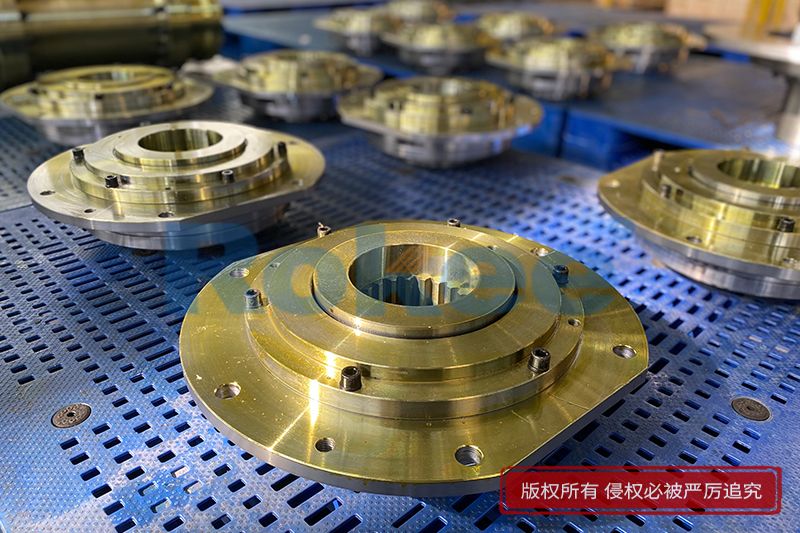
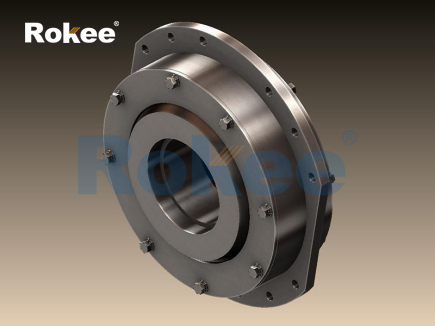
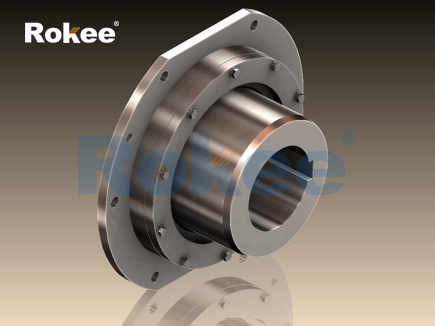
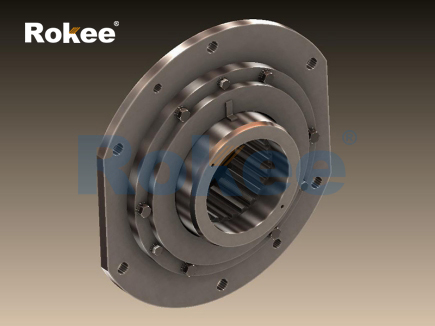
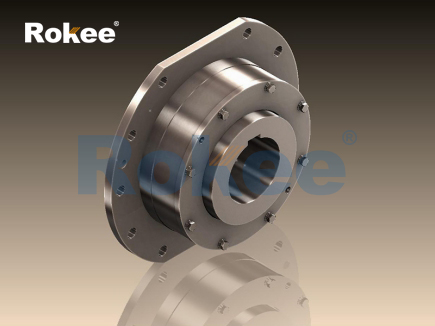
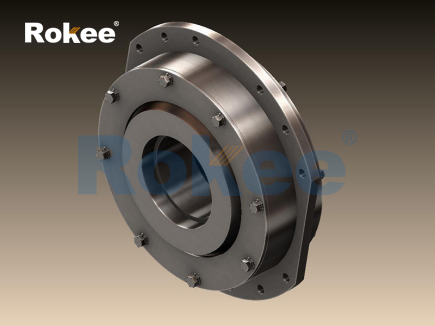
Barrel couplings are essential mechanical components designed to connect two rotating shafts in various industrial applications, enabling efficient torque transmission while accommodating a certain degree of misalignment between the shafts. These components play a critical role in ensuring the smooth and reliable operation of machinery across a wide range of sectors, from heavy manufacturing to renewable energy. Unlike some other types of couplings, barrel couplings are specifically engineered to handle high radial loads and large torque capacities, making them indispensable in applications where robust power transmission is required. Their unique design, which typically includes a sleeve with internal semicircular toothing, a hub with external toothing, and cylindrical steel barrels inserted between the toothing, allows them to transmit torque through the contact between the barrels and the toothing surfaces, while also compensating for angular and axial misalignments that may occur during operation.

The fundamental structure of a barrel coupling is carefully designed to balance strength, flexibility, and durability. The sleeve, often made from high-strength materials to withstand heavy loads, features internal semicircular grooves that form receptacles for the cylindrical barrels. The hub, which connects to one of the rotating shafts, has matching external semicircular toothing that fits into the sleeve’s grooves, creating a secure yet flexible connection. The barrels, usually constructed from hardened steel to resist wear and deformation, are placed in the spaces between the sleeve and hub toothing, acting as the primary torque-transmitting elements. This design allows the hub to oscillate slightly relative to the sleeve, compensating for angular misalignments typically up to ±1 degree, depending on the coupling size. Additionally, barrel couplings can absorb axial displacements ranging from ±3 mm to ±8 mm, depending on their design, which helps to reduce stress on the connected shafts and other mechanical components.
One of the key advantages of barrel couplings is their ability to transmit large amounts of torque while withstanding significant radial loads. This makes them particularly suitable for use in heavy machinery such as cranes, hoists, and conveyors, where the transmission of high torque and the absorption of radial forces are critical. In crane systems, for example, barrel couplings are commonly used to connect the reducer output shaft to the wire drum, allowing the torque from the reducer to be efficiently transmitted to the drum, which in turn lifts or moves heavy loads. The ability to handle radial loads is especially important in these applications, as the weight of the load can create significant radial stress on the coupling and connected components. The hardened steel barrels distribute these stresses evenly across their surface area, reducing the risk of wear and failure and ensuring long-term reliability.
Another important feature of barrel couplings is their ease of installation and maintenance. Many barrel couplings are delivered fully assembled, requiring only minimal adjustments during installation. The integrated design of the sleeve, hub, and barrels eliminates the need for complex alignment procedures, reducing installation time and labor costs. Additionally, some barrel couplings are equipped with wear indicators on the outer cover, which allow operators to monitor the internal wear of the coupling without disassembling it. This feature is particularly valuable in industrial settings where downtime is costly, as it enables proactive maintenance and reduces the risk of unexpected failures. Regular maintenance typically involves lubrication of the barrels and toothing surfaces to reduce friction and wear, which can be performed without removing the coupling from the machinery, further minimizing downtime.
The materials used in the construction of barrel couplings are carefully selected to ensure optimal performance and durability. High-strength steel is the most common material for the sleeve, hub, and barrels, as it offers excellent tensile strength, impact resistance, and wear resistance. The barrels are often hardened to enhance their durability, ensuring they can withstand the high contact stresses generated during torque transmission. In some applications, corrosion-resistant materials may be used to protect the coupling from harsh environmental conditions, such as those found in the oil and gas industry or marine applications. The choice of material depends on the specific application requirements, including the operating temperature, load capacity, and environmental conditions.
Barrel couplings find applications in a wide range of industries, each with unique requirements and challenges. In the lifting and material handling industry, they are used in cranes, hoists, conveyors, and stackers, where they facilitate the transmission of torque between the drive system and the load-bearing components. In the energy sector, barrel couplings are used in wind turbines, gas turbines, and nuclear power plants, where reliable power transmission is critical for efficient operation. They are also used in the mining industry, where they connect the drive shafts of crushers, conveyors, and other heavy equipment, enabling the processing and transportation of raw materials. Additionally, barrel couplings are used in general manufacturing, construction machinery, and transportation equipment, highlighting their versatility and importance in modern industrial operations.
The performance of barrel couplings is influenced by several factors, including design parameters, material selection, and operating conditions. The torque capacity of a barrel coupling depends on the size of the barrels, the number of barrels, and the material strength. Larger barrels and a higher number of barrels typically result in a higher torque capacity, while the use of high-strength materials ensures that the coupling can withstand the stresses generated during operation. Angular and axial misalignment compensation is another key performance factor, as excessive misalignment can lead to increased wear, noise, and premature failure. The design of the toothing and barrels determines the coupling’s ability to compensate for misalignment, with curved toothing and properly sized barrels ensuring smooth operation even when misalignments are present.
In recent years, the demand for barrel couplings has been growing steadily, driven by the expansion of industrial activities, the increasing adoption of automation, and the development of infrastructure worldwide. The global market for these components is expected to continue growing in the coming years, with a focus on improving performance, reducing maintenance requirements, and enhancing sustainability. Manufacturers are investing in research and development to create innovative barrel coupling designs that offer higher torque capacities, better misalignment compensation, and longer service life. Additionally, there is a growing emphasis on the use of eco-friendly materials and energy-efficient production techniques, aligning with the broader industry shift towards sustainability.
One of the emerging trends in the barrel coupling industry is the development of maintenance-free designs. These designs incorporate self-lubricating materials and sealed components, eliminating the need for regular lubrication and reducing maintenance costs. Another trend is the integration of advanced monitoring technologies, such as sensors, to provide real-time data on the coupling’s performance, including temperature, vibration, and wear. This allows operators to detect potential issues early, preventing unexpected failures and minimizing downtime. Additionally, there is a growing focus on the miniaturization of barrel couplings, enabling their use in smaller machinery and equipment, such as robotics and precision manufacturing systems.
Despite their many advantages, barrel couplings face certain challenges in some applications. In extreme operating conditions, such as high temperatures, corrosive environments, or high-speed operations, the performance of barrel couplings can be affected. High temperatures can cause material degradation, reducing the coupling’s strength and durability, while corrosive environments can lead to rust and wear. High-speed operations can generate excessive centrifugal forces, which may cause the barrels to shift or the coupling to vibrate, affecting performance and reliability. To address these challenges, manufacturers are developing specialized barrel couplings designed to withstand extreme conditions, using advanced materials and innovative designs.
The selection of the right barrel coupling for a specific application is critical to ensuring optimal performance and reliability. Several factors need to be considered during the selection process, including the torque requirements, radial load capacity, misalignment compensation needs, operating temperature, and environmental conditions. It is important to choose a coupling that can handle the maximum torque and radial load expected in the application, while also providing sufficient misalignment compensation to prevent stress on the connected shafts. Additionally, the coupling should be compatible with the shaft sizes and connection types of the machinery, ensuring a secure and proper fit. Consulting with engineering experts can help in selecting the appropriate barrel coupling for a specific application, ensuring that it meets all the required performance criteria.
Installation and proper handling of barrel couplings are also critical to their performance and service life. During installation, it is important to ensure that the coupling is properly aligned with the shafts, as excessive misalignment can lead to premature wear and failure. The coupling should be mounted securely, with the appropriate fasteners tightened to the recommended torque specifications. It is also important to avoid collisions during transportation and installation, as damage to the sleeve, hub, or barrels can affect the coupling’s performance. Proper storage is another important consideration, with barrel couplings stored in a dry, dust-free environment to prevent corrosion and damage. If the coupling is stored for an extended period, it may require additional protection, such as rust-inhibiting coatings, to ensure its integrity.
In conclusion, barrel couplings are vital mechanical components that play a crucial role in ensuring efficient and reliable power transmission in a wide range of industrial applications. Their unique design, which combines strength, flexibility, and durability, makes them ideal for handling high torque and radial loads, while also compensating for shaft misalignments. The growing demand for barrel couplings, driven by industrial expansion and technological advancements, is leading to the development of innovative designs and materials that further enhance their performance and sustainability. By selecting the right barrel coupling, ensuring proper installation and maintenance, and addressing the challenges of extreme operating conditions, industries can maximize the efficiency and reliability of their machinery, reducing downtime and maintenance costs. As industrial technology continues to evolve, barrel couplings will remain an essential component in the global industrial supply chain, supporting the smooth operation of critical machinery and equipment.
- Tags:
- Barrel Couplings ,
- sandwich panel line ,
- sandwich panel machine
- pu sandwich panel machine
« Barrel Coupling Brands » Latest Update Date: May 9, 2026
https://www.rokeecoupling.net/blog/barrel-coupling-brands.html