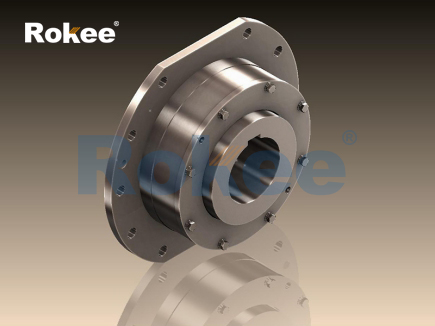
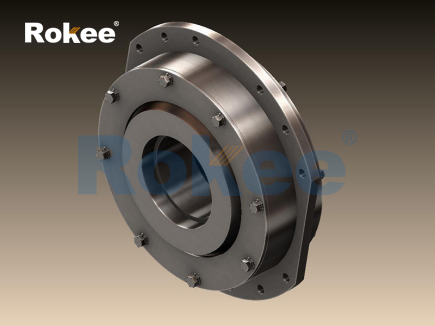
In the complex landscape of industrial power transmission and mechanical connectivity, barrel couplings stand as indispensable components that bridge rotating shafts, enabling the seamless transfer of torque while accommodating misalignments and ensuring operational stability across a wide range of applications. The supply of barrel couplings is a critical link in the global industrial supply chain, supporting industries from heavy machinery and manufacturing to aerospace and infrastructure development. As industrial processes become more sophisticated and demand for reliable, efficient equipment grows, the role of barrel couplings supply becomes increasingly vital, encompassing not just the delivery of components but also the assurance of quality, adaptability, and compatibility with diverse operational requirements.
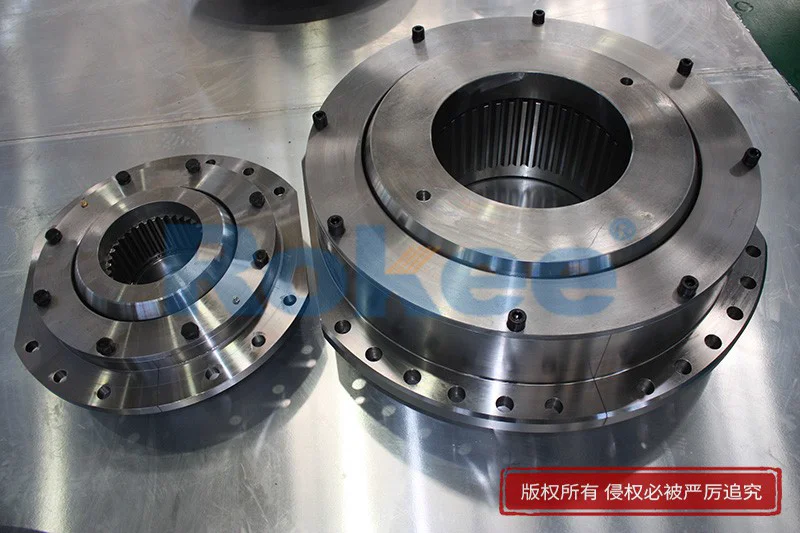
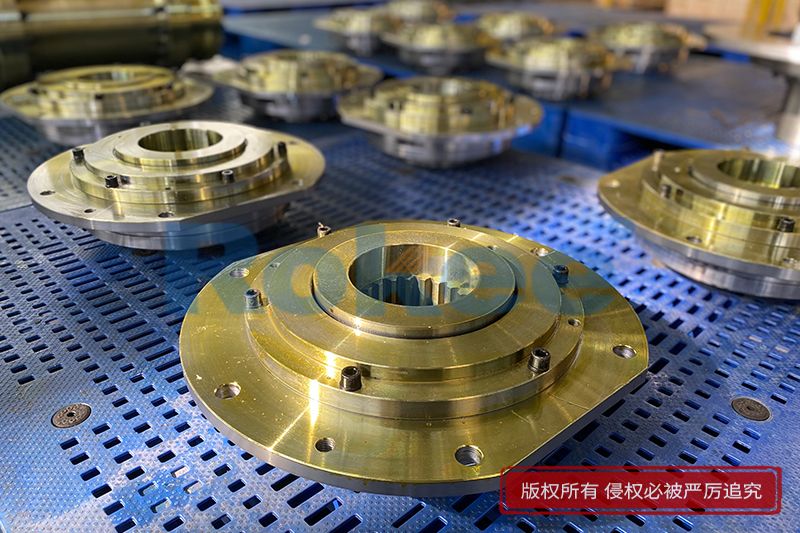
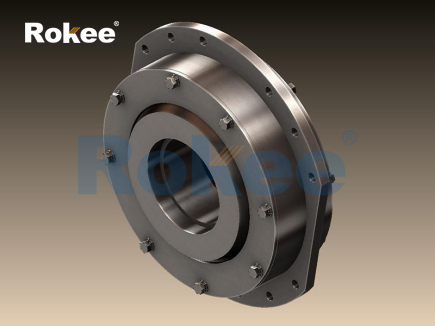
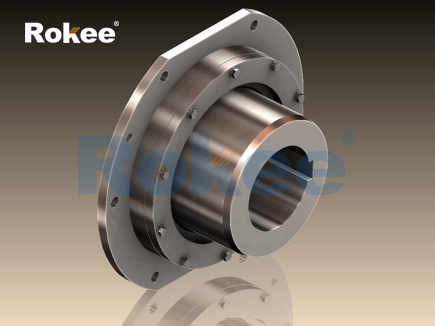
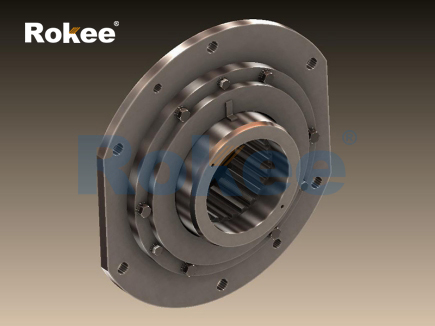
Barrel couplings are mechanical devices designed to connect two rotating shafts, facilitating the transmission of torque while compensating for angular, axial, and radial misalignments that may occur due to installation inaccuracies, structural deflection, or operational wear. Unlike other types of couplings, barrel couplings feature a unique construction that includes a sleeve and hub fitted with semi-circular cogs, with a series of cylindrical hardened steel barrels sandwiched into the cog housings. This design allows them to absorb stresses caused by torque and radial loads, while also providing a degree of flexibility that prevents damage to connected equipment such as gearboxes, motors, and shafts. The barrels themselves act as the primary force-transmitting elements, and their large supporting area ensures that stresses are distributed evenly, reducing the risk of component failure and extending the overall service life of the system.
The supply of barrel couplings is shaped by the diverse needs of different industries, each with its own unique operational demands and environmental conditions. For instance, in the material handling sector, barrel couplings are widely used in cranes, hoists, and conveyors to connect wire drums to gearbox output shafts. In these applications, the couplings must transmit high torques and withstand large radial forces, while also compensating for angular misalignments that may arise from the deflection of the steel structure under load or rolling bearing wear. The ability to absorb axial displacements—typically ranging from ±3 mm to ±8 mm depending on the coupling size—is also critical in these settings, as it prevents the buildup of constraining forces that could lead to gear or bearing damage. In such industrial environments, the supply of barrel couplings must prioritize durability, load-bearing capacity, and resistance to wear and corrosion, ensuring that the components can withstand the rigors of continuous heavy-duty operation.
Another key area where barrel couplings supply plays a crucial role is in the oil and gas industry, where these components are used to connect pipelines and rotating equipment in both onshore and offshore operations. In this sector, barrel couplings must be able to withstand extreme temperatures, high pressures, and corrosive environments, making material selection a critical factor in the supply process. Couplings used in oil and gas applications are often constructed from high-strength alloys or stainless steel, which offer superior resistance to corrosion and mechanical stress. Additionally, the supply of these couplings must adhere to strict operational standards to ensure safety, as any failure could result in costly leaks or equipment damage. The ability to provide couplings that can accommodate the misalignments common in pipeline systems, while maintaining a secure, leak-proof connection, is essential for the smooth operation of oil and gas infrastructure.
The manufacturing industry also relies heavily on the supply of barrel couplings, where they are used in a wide range of machinery, including lathes, milling machines, and automated production lines. In manufacturing settings, the emphasis is on precision and efficiency, and barrel couplings must provide accurate torque transmission to ensure the quality of finished products. The ability to compensate for minor misalignments is particularly important in automated systems, where even small deviations can lead to production errors or equipment breakdowns. The supply of barrel couplings for manufacturing applications often includes a variety of sizes and configurations to accommodate different shaft diameters and torque requirements, allowing for seamless integration into existing machinery. Additionally, maintenance-free designs are increasingly in demand in this sector, as they reduce downtime and operational costs, making the supply of such couplings a key factor in improving overall production efficiency.
The supply of barrel couplings is also influenced by the growing trend toward industrial automation and robotics. As more industries adopt automated systems, the demand for couplings that can support precise, high-speed operation has increased. Barrel couplings are well-suited for these applications due to their ability to transmit torque accurately while maintaining flexibility, and their compact design makes them ideal for use in robotic arms and other space-constrained equipment. The supply of couplings for automation applications must focus on precision engineering, ensuring that the components can handle the high speeds and frequent movements associated with automated processes. Additionally, the integration of advanced materials, such as carbon fiber composites, is becoming more common in these couplings, as they offer a higher strength-to-weight ratio and improved resistance to wear, further enhancing the performance of automated systems.
One of the key considerations in the supply of barrel couplings is material selection, which directly impacts the performance, durability, and compatibility of the components. The most common materials used in the manufacturing of barrel couplings include carbon steel, alloy steel, stainless steel, and in some cases, non-metallic materials such as engineering plastics. Carbon steel is often used for general-purpose applications where cost-effectiveness is a priority, while alloy steel is preferred for heavy-duty applications that require higher strength and resistance to wear. Stainless steel is ideal for applications in corrosive environments, such as the food and beverage industry or marine applications, where resistance to rust and chemical damage is essential. Non-metallic materials are sometimes used in applications where weight reduction or electrical insulation is required, offering a lightweight alternative to metallic couplings.
The manufacturing process of barrel couplings also plays a critical role in their supply, as it determines the precision, quality, and consistency of the components. The production of barrel couplings typically involves several stages, including forging, machining, heat treatment, and assembly. Forging is used to shape the raw material into the desired form, ensuring that the coupling has the necessary strength and structural integrity. Machining is then performed to achieve the precise dimensions and tolerances required for proper fit and function, including the machining of holes, keyways, and cog housings. Heat treatment is a crucial step in the manufacturing process, as it enhances the hardness and durability of the steel barrels and other components, improving their resistance to wear and fatigue. Finally, assembly involves fitting the sleeve, hub, barrels, and sealing elements together, ensuring that the coupling is fully functional and ready for installation.
Quality control is another essential aspect of barrel couplings supply, as it ensures that the components meet the required performance standards and are free from defects. Quality control processes typically include rigorous testing of materials, dimensional inspections, and performance testing. Material testing involves verifying the chemical composition and mechanical properties of the raw materials to ensure they meet the specified standards. Dimensional inspections are performed using precision measuring tools to ensure that the coupling’s dimensions and tolerances are within the required range. Performance testing involves subjecting the couplings to simulated operational conditions, such as torque transmission, misalignment compensation, and wear resistance, to verify their performance and durability. These quality control measures are critical in ensuring that the supplied barrel couplings are reliable and fit for their intended purpose.
The global market for barrel couplings is growing steadily, driven by several key factors, including the expansion of industrial infrastructure, the increasing adoption of automation, and the growing demand for efficient power transmission solutions. According to market research, the global barrel couplings market is expected to grow at a steady compound annual growth rate, with the Asia-Pacific region witnessing the fastest growth due to rapid industrialization and infrastructure development. North America and Europe also remain significant markets, driven by the presence of established manufacturing and heavy machinery industries. The growth of the market is also supported by the increasing focus on sustainability and energy efficiency, as barrel couplings help to reduce energy loss and improve the overall efficiency of mechanical systems.
Despite the positive growth trends, the supply of barrel couplings faces several challenges. One of the main challenges is the high cost of precision manufacturing, which can make high-quality couplings more expensive for some end-users. Additionally, the supply chain can be affected by disruptions, such as raw material shortages or transportation delays, which can impact the timely delivery of components. Another challenge is the competition from alternative coupling technologies, such as elastomeric couplings or disc couplings, which may offer specific advantages in certain applications. To address these challenges, suppliers of barrel couplings are focusing on optimizing their manufacturing processes to reduce costs, improving supply chain resilience, and investing in research and development to enhance the performance and versatility of their products.
The future of barrel couplings supply is shaped by ongoing technological advancements and evolving industry needs. One of the key trends is the development of more durable and maintenance-free couplings, which reduce the need for regular inspections and replacements, thereby lowering operational costs. The integration of advanced materials, such as nanocomposites, is also expected to enhance the performance of barrel couplings, offering improved strength, wear resistance, and corrosion resistance. Additionally, the use of digital technologies, such as IoT sensors, is becoming more common in barrel couplings, allowing for real-time monitoring of performance and predictive maintenance. This helps to identify potential issues before they lead to equipment failure, improving the reliability and efficiency of industrial systems.
In addition to technological advancements, the supply of barrel couplings is also being influenced by the growing focus on sustainability. Suppliers are increasingly adopting eco-friendly manufacturing processes, such as using renewable energy sources and reducing waste, to minimize their environmental impact. The use of recyclable materials in the production of barrel couplings is also becoming more common, aligning with the global shift toward circular economy practices. These sustainable practices not only benefit the environment but also help to meet the growing demand from end-users for environmentally responsible products.
The supply of barrel couplings is also characterized by a high degree of customization, as different industries and applications require couplings that are tailored to their specific needs. Suppliers often work closely with end-users to design and manufacture custom couplings that meet unique requirements, such as specific torque capacities, misalignment compensation capabilities, or material specifications. This customization process involves close collaboration between the supplier and the end-user, from the initial design phase to the final delivery of the product. By offering custom solutions, suppliers can better meet the diverse needs of their customers and gain a competitive edge in the market.
Another important aspect of barrel couplings supply is the provision of technical support and after-sales service. End-users often require assistance with the installation, maintenance, and troubleshooting of barrel couplings, and suppliers play a crucial role in providing this support. Technical support may include guidance on proper installation procedures, advice on maintenance practices, and assistance with identifying and resolving any issues that may arise during operation. After-sales service, such as repair and replacement services, is also essential in ensuring the long-term performance of the couplings and maintaining customer satisfaction. Suppliers that offer comprehensive technical support and after-sales service are better positioned to build long-term relationships with their customers and succeed in the competitive market.
In conclusion, the supply of barrel couplings is a critical component of the global industrial ecosystem, supporting a wide range of industries and applications. From heavy machinery and manufacturing to oil and gas and automation, barrel couplings play an essential role in ensuring the reliable and efficient transmission of torque, while accommodating misalignments and reducing the risk of equipment damage. The supply of these components is shaped by factors such as material selection, manufacturing processes, quality control, and the evolving needs of end-users. As industrial processes continue to advance, the demand for high-quality, durable, and customizable barrel couplings is expected to grow, driving innovation in the supply chain and ensuring that these essential components continue to support the growth and development of industries around the world. The future of barrel couplings supply will be defined by technological advancements, sustainability, and a focus on meeting the unique needs of each customer, ensuring that these critical components remain an integral part of industrial power transmission systems for years to come.
- Tags:
- Barrel Couplings ,
- sandwich panel line ,
- sandwich panel machine
- pu sandwich panel machine
« Barrel Couplings Supply » Latest Update Date: May 9, 2026
https://www.rokeecoupling.net/blog/barrel-couplings-supply.html