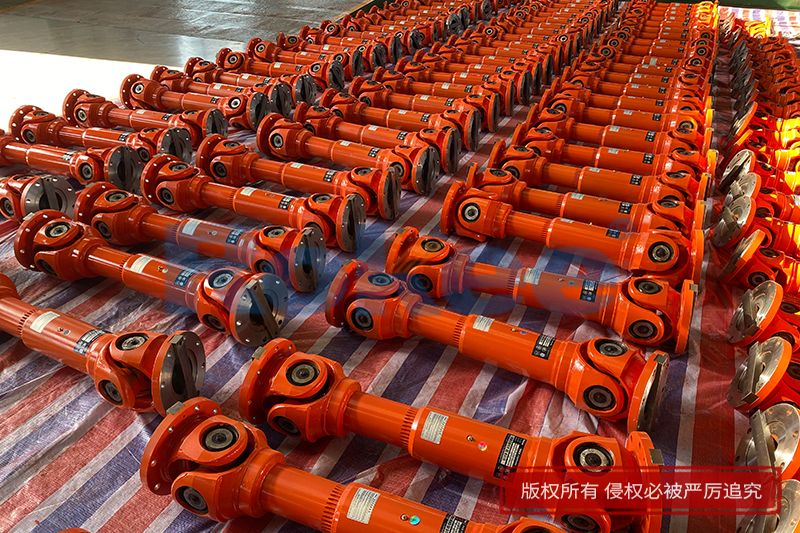
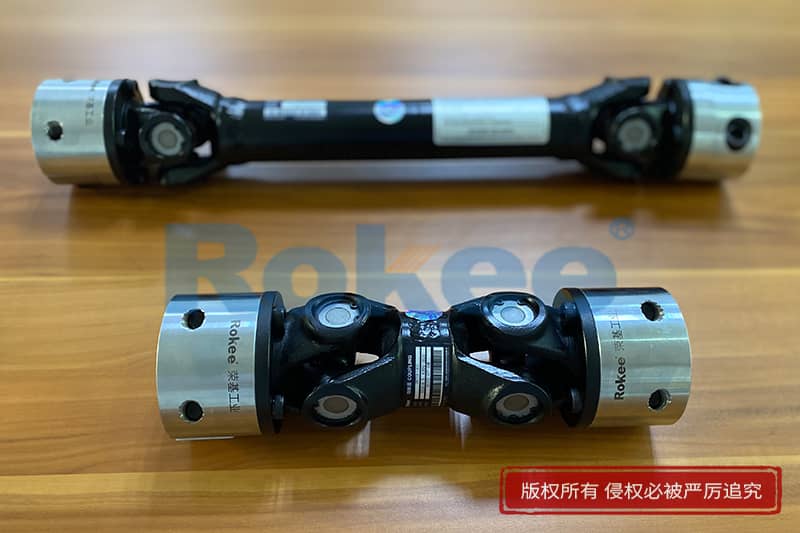
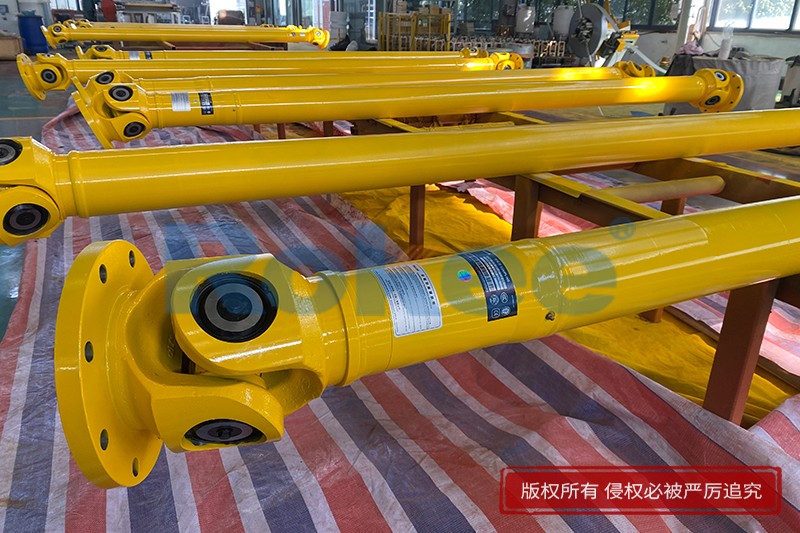
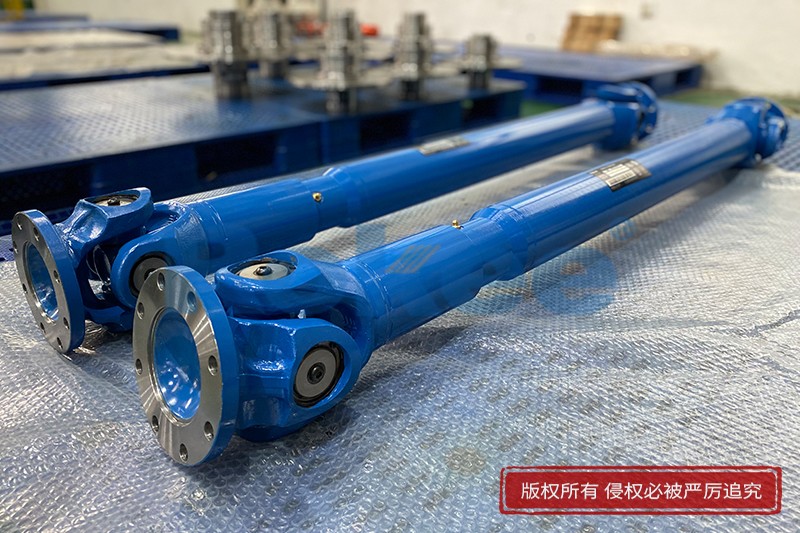
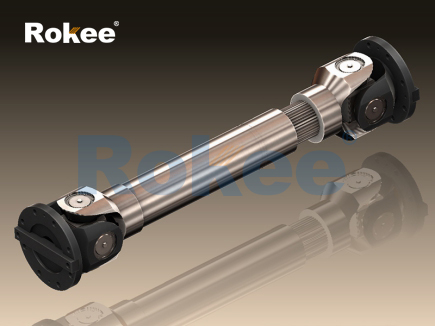
Cardan shafts stand as indispensable mechanical components in modern power transmission systems, serving as vital connecting parts that transfer torque and rotational motion between misaligned shafts across diverse industrial and automotive scenarios. Engineered to accommodate angular deviations, axial displacements, and positional fluctuations between connected mechanical units, these mechanical structures deliver consistent power transmission even under complex operating conditions, making them fundamental assemblies for machinery operation. In the wholesale industry, cardan shafts have evolved into a core bulk commodity for mechanical supporting facilities, catering to the continuous procurement demands of processing factories, machinery maintenance enterprises, automotive component distributors, and engineering construction teams. The wholesale circulation of cardan shafts not only streamlines the material supply chain for the downstream industrial sector but also optimizes resource allocation within the mechanical component industry, creating stable operational foundations for numerous production and engineering projects.

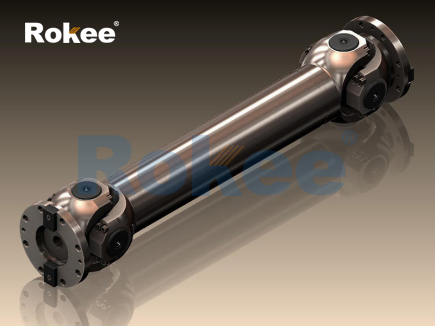
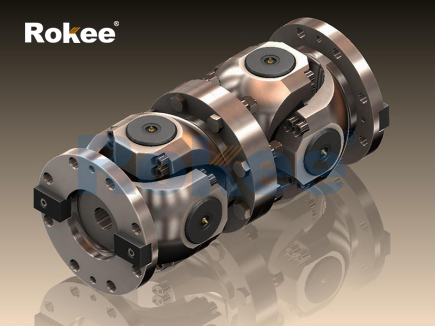
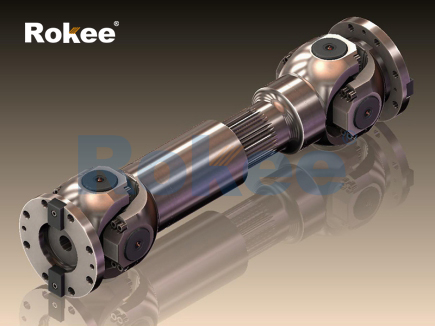
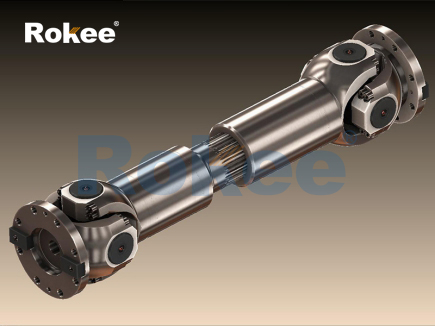
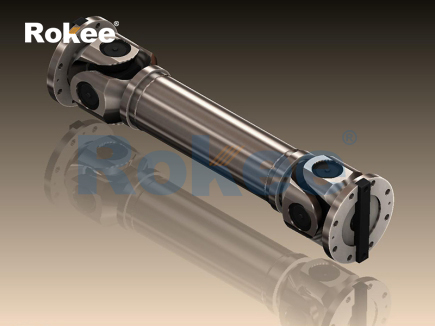
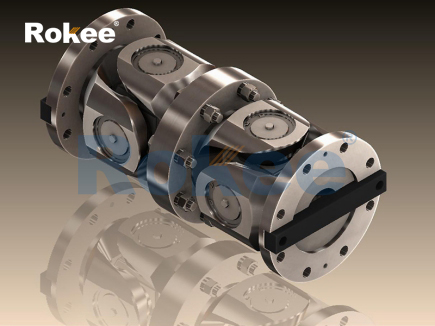
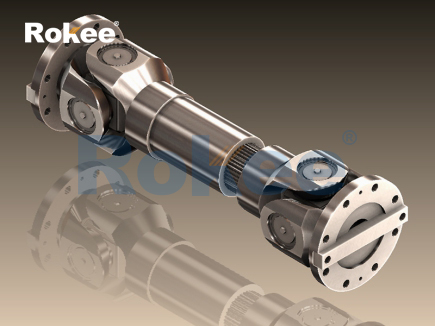
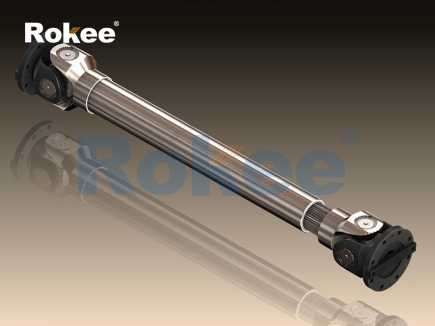
The basic structure of cardan shafts features a concise and robust mechanical design, primarily composed of universal joints, intermediate shaft bodies, connecting forks, and spline assemblies, with auxiliary supporting structures added for specific usage scenarios. Universal joints act as the core functional units of cardan shafts, predominantly adopting cross-axis structures that enable flexible rotation in multiple directions. Each universal joint consists of two fork-shaped connectors and a central cross shaft, where the cross shaft connects the two forks to form a movable hinge structure. This structural arrangement allows the connected shafts to form a certain angle during operation while maintaining continuous torque transmission. The intermediate shaft body, usually forged from high-strength metal materials, serves as the main bearing part for power transmission. Its length and wall thickness are rationally designed based on torque bearing requirements and installation spacing, effectively resisting torsion and vibration generated during mechanical operation. Spline structures are commonly installed at the connection positions of shaft bodies and universal joints, realizing adjustable axial assembly through embedded sliding fits. This design compensates for tiny distance changes between mechanical components caused by vibration, mechanical deformation, or road bumps during equipment operation, ensuring the structural stability of the connection part. Some extended cardan shaft configurations are equipped with intermediate supporting parts to reduce shaft body shaking during high-speed rotation, further enhancing the smoothness of power transmission.
The working principle of cardan shafts centers on flexible torque transmission under misaligned conditions. In traditional rigid transmission structures, strict coaxiality between two connected shafts is required to ensure stable power output; any angular or positional deviation will lead to transmission jitter, component wear, and power loss. In contrast, the unique hinge structure of cardan shafts breaks through this limitation. When one shaft rotates, the cross shaft inside the universal joint drives the fork-shaped connector to perform synchronous rotational motion, allowing the other connected shaft to maintain rotation at a deflection angle. For most industrial and automotive application scenarios, double universal joint configurations are widely adopted. The two universal joints at both ends of the shaft body balance instantaneous angular velocity through symmetric deflection angles, effectively eliminating the uneven rotation problem of single universal joint structures. This balanced transmission mechanism ensures that the input and output shafts maintain consistent rotational speeds, reducing mechanical vibration and friction loss throughout the transmission process. Whether in static industrial mechanical operation or dynamic vehicle driving conditions, cardan shafts can adapt to real-time changes in shaft body angles and distances, realizing efficient and durable power transmission.
Cardan shafts boast an extensive application coverage, spanning multiple industries such as automotive manufacturing, engineering machinery, metallurgical equipment, marine facilities, and agricultural machinery, forming a diversified downstream demand system that supports the prosperity of the wholesale market. In the automotive industry, cardan shafts are key components of the transmission systems for rear-wheel drive and four-wheel drive vehicles. They connect the transmission and the drive axle, transmitting power generated by the engine to the wheels. During vehicle driving, the up-and-down jitter of the suspension structure changes the relative position between the transmission and the drive axle, and cardan shafts rely on their flexible deflection performance to adapt to such dynamic changes, guaranteeing stable power output during driving, acceleration, and bumpy road navigation. In the field of engineering machinery, large-scale equipment including cranes, excavators, and loaders operates under complex working conditions with frequent posture adjustments and heavy load bearing. Cardan shafts are applied to the rotary transmission and power connection parts of such equipment, withstanding strong impact loads and angular deviations to ensure the normal operation of mechanical arms and rotary structures.
In the metallurgical industry, production equipment such as rolling mills operates in high-temperature and high-load environments for a long time. The sturdy structural attributes of cardan shafts enable them to adapt to harsh working conditions, maintaining stable torque transmission during continuous rolling operations and reducing equipment failure rates caused by transmission component damage. Marine equipment also relies heavily on cardan shafts, which are used in ship power transmission and steering systems to cope with hull shaking and water flow impact-induced shaft position deviations, ensuring the reliability of ship power output and steering control. Agricultural machinery represented by tractors and harvesters usually works on uneven land surfaces. Cardan shafts connect engine power units and working components such as tillage and harvesting devices, adapting to terrain fluctuations to provide continuous power for agricultural operations. The wide application of cardan shafts in these industries generates long-term and stable bulk procurement needs, laying a solid demand foundation for the wholesale business.
In the wholesale sector of cardan shafts, product classification and material selection are core factors affecting market circulation and user selection. Based on structural differences, cardan shafts can be divided into rigid and flexible types. Rigid cardan shafts feature high structural hardness and strong torque bearing capacity, suitable for heavy-load industrial machinery and engineering equipment; flexible cardan shafts are equipped with elastic buffer components, which can reduce vibration and noise during operation, and are mostly applied to light-load transportation equipment and precision mechanical devices. In terms of raw materials, most mainstream cardan shaft products are made of high-quality alloy steel. After forging, quenching, and tempering processes, the materials possess high tensile strength, torsional resistance, and wear resistance, effectively extending the service life of components. A small number of lightweight cardan shafts use aluminum alloy materials, which reduce overall weight while meeting basic transmission requirements, and are commonly used in small vehicles and light industrial machinery. Wholesale suppliers usually classify products by structural size, torque range, applicable temperature, and load limit to form a standardized product catalogue. This classification method facilitates downstream buyers to quickly screen suitable products according to equipment parameters, improving procurement efficiency in bulk transactions.
The operational logic of the cardan shaft wholesale industry differs from retail sales, focusing more on long-term cooperative relationships, batch supply stability, and customized service capabilities. Downstream buyers in the wholesale market are mainly enterprise users, including mechanical processing factories, auto parts distribution centers, engineering equipment leasing companies, and agricultural machinery maintenance stations. These users have the characteristics of large single procurement volume, fixed procurement cycles, and high requirements for product consistency. Therefore, qualified wholesale suppliers need to establish stable cooperative relations with manufacturing factories to ensure sufficient product inventory and consistent product quality. In terms of inventory management, wholesale merchants usually stock conventional standard cardan shaft products to meet the urgent procurement needs of daily maintenance and conventional production. For non-standard products with special sizes and customized parameters, they adopt a make-to-order model to reduce inventory backlog and capital occupation. Meanwhile, wholesale suppliers need to master professional mechanical knowledge to provide users with product selection guidance, recommending cardan shafts with appropriate bearing capacity and structural types according to equipment operating environment, load intensity, and rotation speed.
Quality control is a crucial link in the wholesale circulation of cardan shafts, directly determining the operational safety and service life of mechanical equipment. In the production process, qualified cardan shafts undergo multiple processing procedures such as precision machining, surface polishing, heat treatment, and pressure testing. The surface smoothness of the shaft body and universal joint connectors is strictly controlled to reduce friction loss during mutual movement. Heat treatment processes enhance the internal structural toughness of metal materials, preventing component fracture caused by instantaneous heavy loads. Before entering the wholesale market, each batch of products needs to pass torsion resistance, fatigue resistance, and high and low temperature adaptation tests to verify the stability of products under extreme working conditions. For wholesale merchants, establishing a complete quality inspection system is essential. They should conduct sampling inspections on purchased batches of products to screen out defective items with dimensional deviations, surface defects, and poor assembly tightness, avoiding unqualified products from flowing into the downstream market. High-quality product control not only reduces the after-sales maintenance cost of buyers but also helps wholesale suppliers build good market reputations and accumulate long-term cooperative customer resources.
Logistics and packaging management are key auxiliary links in the cardan shaft wholesale business, affecting product integrity and transportation efficiency. Cardan shafts are metal mechanical components with precise assembly structures; collisions and extrusion during transportation may cause deformation of the shaft body, loosening of universal joint gaps, and surface wear, thereby damaging product performance. Hence, standardized packaging measures are required for wholesale products. Conventional packaging usually adopts shockproof foam padding, wooden box outer packaging, and fixed binding structures to limit product shaking during transportation. For long-distance cross-regional transportation, wholesale suppliers will optimize packaging schemes according to product size and weight to reduce transportation space occupancy and lower logistics costs. In terms of logistics distribution, wholesale merchants often cooperate with professional heavy-duty cargo logistics companies to realize batch centralized transportation. This centralized transportation mode effectively cuts down the unit transportation cost of products, ensuring that goods are delivered to buyer warehouses within the specified time. Meanwhile, a complete logistics tracking system is established to monitor the transportation status of goods in real time, preventing product loss and damage during transit.
In recent years, the development trend of the cardan shaft wholesale industry has been continuously optimized alongside the upgrading of the global mechanical manufacturing industry. With the popularization of lightweight and energy-saving mechanical design, lightweight transformation has become an important product iteration direction for cardan shafts. Manufacturers optimize product structures and select high-performance lightweight alloy materials to reduce product weight while ensuring torque bearing capacity, which helps lower equipment energy consumption and improve operational flexibility. In addition, the trend of high-precision manufacturing is becoming increasingly prominent. The dimensional tolerance of newly produced cardan shafts is further narrowed, and the assembly tightness of universal joints is optimized to minimize vibration and noise during high-speed operation, meeting the higher precision requirements of modern intelligent mechanical equipment. In terms of wholesale market operation, digital transformation has become an irreversible trend. More wholesale suppliers build online trading platforms to display product parameters, inventory status, and industry application cases, realizing online consultation, order placement, and logistics tracking. This digital operation mode breaks geographical restrictions, expands the coverage of customer groups, and improves the overall transaction efficiency of the industry.
Despite the broad market prospects, the cardan shaft wholesale industry also faces certain operational challenges. The homogeneity of conventional standard products in the market is prominent, leading to intense industry competition. Some merchants reduce product quality to cut operating costs, disrupting the orderly market competition order. In addition, the fluctuation of raw material metal prices increases the cost control difficulty of wholesale merchants, requiring them to flexibly adjust inventory strategies and optimize supply chain cooperation modes to cope with market price changes. Moreover, with the continuous upgrading of mechanical equipment, the iteration speed of non-standard customized cardan shaft products is accelerating, putting forward higher requirements for the product research and development capabilities and supply response speed of upstream manufacturers, as well as requiring wholesale merchants to continuously update product knowledge reserves to meet the personalized procurement needs of downstream users. To address these challenges, excellent wholesale suppliers usually strengthen cooperation with high-quality manufacturers, focus on product quality differentiation, and launch customized matching services to enhance market competitiveness.
Looking into the future, the cardan shaft wholesale industry will maintain a steady development momentum driven by the continuous growth of downstream application industries. The steady development of the automotive industry, continuous investment in engineering infrastructure construction, technological upgrading of industrial manufacturing equipment, and modernization of agricultural production machinery will all generate sustained and stable procurement demand for cardan shaft products. With the further popularization of intelligent manufacturing technology, the production precision and structural performance of cardan shafts will be continuously improved, and product application scenarios will be further expanded. In terms of industry operation, the wholesale market will gradually move towards standardized, digital, and personalized development. The standardized product classification system will simplify the procurement process for enterprise users; digital trading channels will realize efficient docking between supply and demand; personalized customized services will meet the matching needs of special equipment. As an indispensable mechanical basic component, cardan shafts will always occupy an important position in the industrial supply chain, and the wholesale business focusing on bulk supply and service optimization will also continuously evolve alongside the industrial upgrading process, creating greater economic value for the mechanical component circulation field.
- Tags:
- Cardan Shaft Couplings ,
- Industrial Cardan Shafts ,
- Cardan Shafts ,
- Cross Cardan Shafts ,
- sandwich panel line ,
- sandwich panel machine
- pu sandwich panel machine
« Cardan Shafts Wholesale » Latest Update Date: May 21, 2026
https://www.rokeecoupling.net/blog/cardan-shafts-wholesale.html