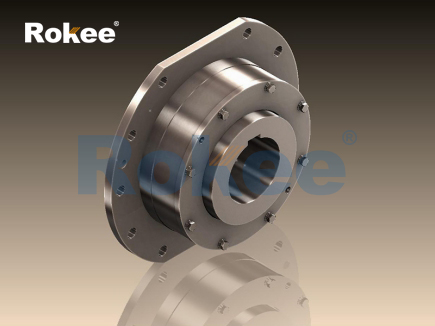
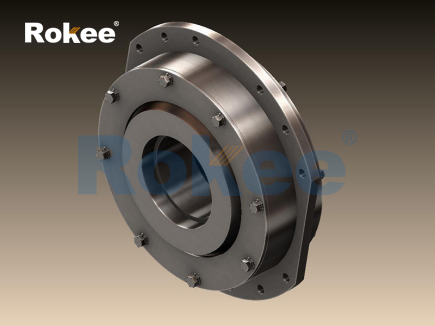
In the intricate framework of modern mechanical transmission systems, coupling components serve as indispensable connecting units that link adjacent rotating shafts to transmit torque while accommodating inevitable operational deviations. Drum couplings, as a sophisticated type of toothed coupling, stand out among numerous transmission components due to their robust load-bearing capacity, excellent displacement compensation performance and stable mechanical transmission efficiency. This catalogue elaborates on the structural composition, working principles, classification characteristics, application scenarios, selection criteria and maintenance norms of drum couplings, aiming to present a comprehensive and in-depth introduction to this vital mechanical part for industrial transmission practitioners and mechanical design enthusiasts. With the continuous upgrading of industrial manufacturing technology, the operational environment of mechanical equipment has become increasingly complex, putting forward higher requirements for the adaptability, durability and transmission stability of connecting components. Traditional connecting parts often fail to cope with composite displacement deviations generated during long-term operation of heavy-duty equipment, resulting in excessive shaft wear, intense mechanical vibration and shortened service life of transmission structures. Drum couplings are optimized and upgraded on the basis of straight-toothed couplings, with specially modified drum-shaped tooth profiles that effectively overcome the inherent defects of traditional transmission connectors, making them widely applicable in heavy-load, low-speed and continuous operating industrial scenarios.
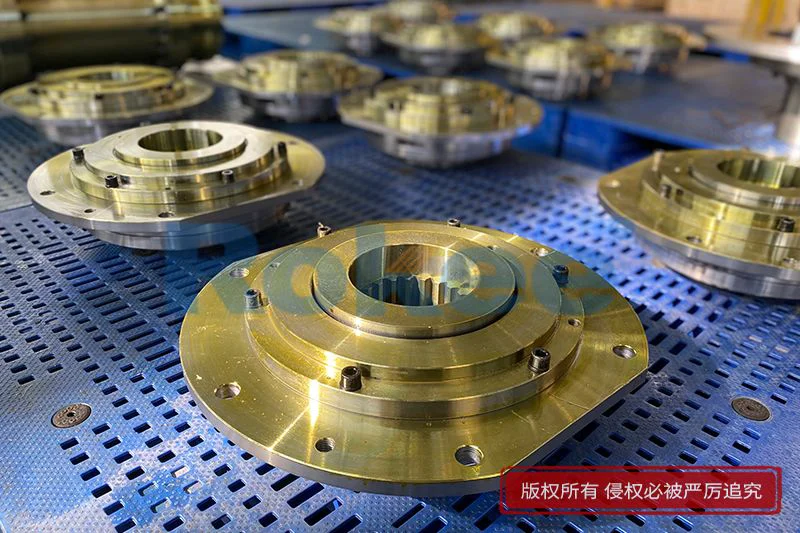
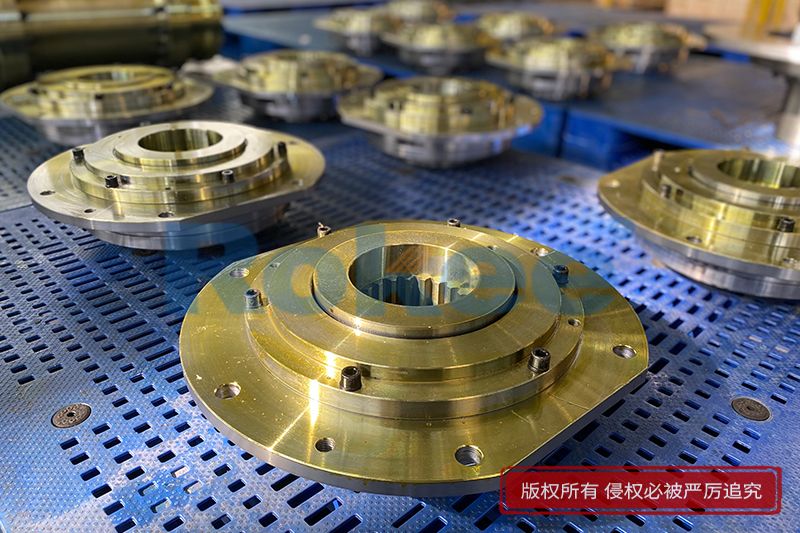
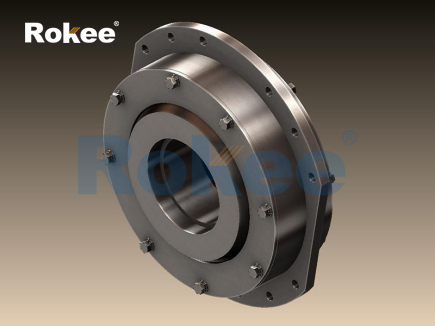
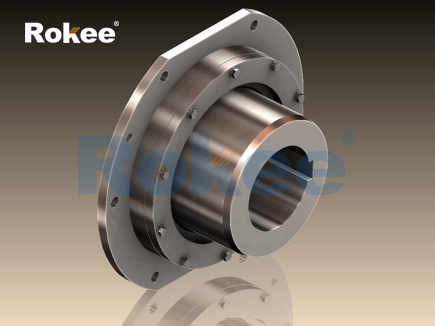
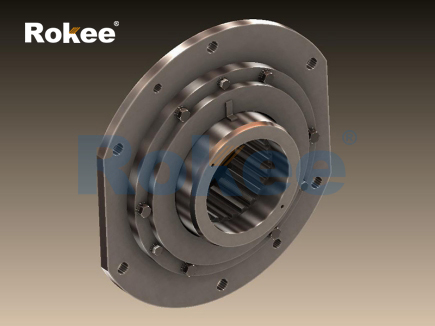
The basic structural composition of drum couplings follows a concise and reliable mechanical design logic, consisting of two half-couplings with outer teeth, an intermediate tooth sleeve with inner teeth and a set of high-strength locking assemblies. The outer teeth on the half-couplings are processed into a smooth spherical drum shape through precision machining technology, which is the core structural feature distinguishing drum couplings from ordinary straight-toothed couplings. The inner tooth ring inside the intermediate tooth sleeve meshes closely with the drum-shaped outer teeth, and the optimized tooth gap design reserves reasonable movement space for the meshing tooth surfaces. In terms of material selection, high-quality alloy steel is commonly adopted for the main components of drum couplings. After carburizing, quenching and precision grinding processes, the tooth surface achieves high hardness and uniform internal texture, which significantly enhances the extrusion resistance and wear resistance of the tooth structure. Some improved structural designs are equipped with double-layer sealing components, combining labyrinth sealing and skeleton oil seal structures to form a comprehensive protection system. This sealing structure can effectively isolate external dust, moisture and corrosive substances, preventing lubricating media from leaking and ensuring the stable operation of internal meshing structures for a long time. In addition, the intermediate connecting shaft can be added to the drum coupling structure according to usage demands, realizing long-distance shaft connection and adapting to the layout requirements of large-span transmission systems.
The working principle of drum couplings centers on the meshing transmission between drum-shaped outer teeth and inner teeth. When the driving shaft rotates, the torque is transmitted to the driven shaft through the tightly meshed tooth surfaces between the half-couplings and the intermediate tooth sleeve. The unique drum-shaped tooth profile enables the tooth surfaces to maintain uniform contact stress under complex displacement conditions. Unlike straight teeth that are prone to local stress concentration during deflection, the curved structure of drum teeth can disperse bearing pressure evenly on the entire tooth surface. This structural advantage allows drum couplings to efficiently compensate for multiple types of shaft displacement deviations, including radial displacement, angular displacement and axial displacement generated during equipment operation. In actual industrial operation, installation errors, equipment vibration, thermal expansion and mechanical wear will cause misalignment between connected shafts. These deviations will produce additional shear force and torsional stress on the transmission structure. The flexible meshing gap of drum teeth can buffer and offset such abnormal stress, reducing the friction loss between shafts and lowering the vibration amplitude of the overall transmission system. For mechanical equipment bearing impact loads and alternating loads, the elastic buffering effect formed by the tooth gap can absorb instantaneous impact force, avoid rigid collision between metal structures, and protect the connected shafts and supporting bearings from fatigue damage.
Based on structural differences and functional characteristics, drum couplings can be divided into multiple categories with distinct attributes, forming a complete product catalogue system suitable for diverse industrial working conditions. The first category is the basic integrated drum coupling, which features an integrated tooth sleeve structure with a compact overall size and simple assembly steps. This type of coupling is suitable for short-distance shaft connection scenarios with limited installation space, and it maintains high transmission rigidity while realizing basic displacement compensation functions. The second category is the intermediate sleeve type drum coupling, which is equipped with an extended intermediate connecting shaft. This structural design realizes non-displacement assembly of the connected equipment at both ends, greatly shortening the installation and debugging cycle, and it is widely used in long-span transmission systems that require stable power transmission. The third category is the split type drum coupling, whose detachable structural design facilitates daily disassembly, inspection and replacement of components without dismantling the connected mechanical equipment. This type of coupling is highly adaptable to equipment that requires frequent maintenance and regular inspection. In addition, according to the lubrication mode, drum couplings can be classified into grease-lubricated type and forced oil-lubricated type. The forced oil-lubricated structure forms a continuous oil film on the tooth surface through circulating lubricating media, which can control tooth surface wear to an extremely low level and is suitable for long-term continuous operation under heavy load conditions.
Compared with other common mechanical couplings in the industrial market, drum couplings exhibit prominent comprehensive performance advantages in multiple dimensions. In terms of load-bearing capacity, the optimized drum-shaped tooth profile increases the effective contact area of meshing teeth, enabling the coupling to bear large nominal torque and maintain stable transmission state under long-term heavy-load working conditions. In terms of displacement compensation capability, drum couplings can tolerate a larger range of angular deviation and radial deviation, with compensation performance far exceeding that of rigid couplings and ordinary elastic couplings. In terms of operational stability, the smooth curved tooth surface reduces meshing friction and mechanical noise during rotation, creating a low-noise transmission environment for mechanical systems. Durability is another core advantage of drum couplings. After special heat treatment, the alloy steel tooth structure has strong fatigue resistance and corrosion resistance, which can adapt to harsh working environments such as high dust, high humidity and variable temperature. Although drum couplings need regular lubrication maintenance, their overall service cycle is much longer than that of elastic couplings with vulnerable elastic components. Meanwhile, the standardized structural design of drum couplings realizes the interchangeability of parts, reducing the difficulty of component replacement and later maintenance.
Drum couplings have a wide coverage of application scenarios, penetrating into multiple heavy industrial fields that rely on stable mechanical transmission. In the metallurgical industry, drum couplings are applied to the main transmission systems of rolling mills, enduring continuous high torque and alternating impact load during metal rolling processing to ensure the synchronization and stability of rolling equipment operation. In the mining industry, they serve as connecting components for hoists and ball mills, adapting to low-speed heavy-load working conditions and resisting vibration interference generated by mineral crushing and lifting. In the hoisting and transportation industry, drum couplings are installed on the traveling and lifting mechanisms of port cranes and gantry cranes, realizing precise power transmission under large-span motion conditions and improving the operational safety of hoisting equipment. In the petrochemical industry, this type of coupling is used for the connection of large compressors and pump sets, compensating for shaft displacement caused by thermal expansion of equipment and reducing the wear risk of sealing structures. Besides, drum couplings are also commonly seen in cement rotary kilns, large fans and heavy-duty mixing equipment, providing reliable transmission guarantee for continuous industrial production.
Scientific selection is the premise to ensure the efficient and stable operation of drum couplings, and the selection process needs to comprehensively consider multiple operational parameters and working condition characteristics. Torque matching is the primary selection indicator. It is necessary to calculate the actual operating torque of the transmission system and reserve a reasonable safety margin according to the load fluctuation range, so as to avoid tooth surface fatigue damage caused by long-term overload operation. The rotational speed of the equipment also affects the selection of coupling types. For low-speed heavy-load equipment, couplings with thickened tooth structure and high rigidity should be prioritized, while medium-speed operating equipment needs to focus on optimizing the dynamic balance performance of the coupling. The magnitude of shaft misalignment in the actual installation state cannot be ignored. For equipment with large installation deviation and severe vibration, drum couplings with higher displacement compensation coefficient should be selected to adapt to complex deviation changes. In addition, environmental factors such as ambient temperature, humidity and corrosive medium concentration need to be taken into consideration. For harsh working environments with severe corrosion and dust pollution, couplings with enhanced sealing structure and anti-corrosion treatment are more suitable.
Standardized installation and daily maintenance are crucial to extend the service life of drum couplings and maintain stable transmission performance. During the installation process, the coaxiality of the two connected shafts should be strictly controlled to minimize initial installation deviation. The locking fasteners need to be tightened evenly in a fixed sequence to ensure the tight fit of all connecting components and prevent component loosening caused by mechanical vibration. The lubrication work should be carried out in accordance with the structural type. For grease-lubricated couplings, high-quality lubricating grease should be filled regularly to keep the tooth surface covered with a uniform grease layer; for circulating oil-lubricated couplings, the cleanliness and oil quantity of the lubricating medium should be checked periodically to avoid oil deterioration affecting the lubrication effect. In daily inspection, attention should be paid to observing the operating state of the coupling, including abnormal vibration, abnormal noise and local temperature rise. Once oil leakage, tooth surface abrasion or fastener loosening is found, timely shutdown inspection and maintenance are required. Regular cleaning of the sealing structure and the outer surface of the coupling can reduce the accumulation of dust and impurities, preventing foreign matters from entering the meshing gap and causing structural wear.
With the continuous progress of industrial manufacturing technology, the optimization and upgrading of drum coupling structures and processes are still in progress. Modern mechanical design concepts focus on lightweight structure, intelligent monitoring and environmental protection performance of couplings. On the premise of maintaining high load-bearing capacity, the improved drum couplings reduce unnecessary structural weight to lower rotational inertia and improve the dynamic response efficiency of the transmission system. Some optimized products adopt more efficient sealing and lubricating systems, which further reduce maintenance frequency and energy consumption during operation. In terms of processing technology, the popularization of precision CNC machining and intelligent heat treatment technology makes the tooth surface machining accuracy and material stability of drum couplings continuously improved, laying a foundation for adapting to more extreme industrial working conditions. In the future, with the rapid development of heavy industry, intelligent manufacturing and energy storage equipment, drum couplings will be further optimized in structural design, material application and adaptive performance, providing more reliable and efficient connecting solutions for complex mechanical transmission systems.
As a mature and high-performance transmission connecting component, drum couplings occupy an irreplaceable position in the field of heavy industrial machinery by virtue of their unique drum-shaped tooth structure, excellent displacement compensation ability and stable heavy-load transmission performance. This catalogue systematically sorts out the structural composition, working principle, product classification, performance advantages, application fields, selection basis and maintenance specifications of drum couplings. It clearly shows that drum couplings have strong adaptability to complex working conditions and long-term operational stability. In the actual industrial production process, reasonable type selection, standardized installation and scientific maintenance can maximize the service efficiency of drum couplings, reduce equipment failure rate and operation maintenance cost, and create stable economic benefits for industrial production. With the continuous innovation of mechanical manufacturing technology, drum couplings will keep pace with the development of the industry, continuously optimize structural performance and expand application boundaries, and become an indispensable basic component to support the stable operation of modern heavy-duty mechanical transmission systems.
- Tags:
- Brake Drum Couplings ,
- Drum Couplings ,
- sandwich panel line ,
- sandwich panel machine
- pu sandwich panel machine
« Catalogue of Drum Couplings » Latest Update Date: May 9, 2026
https://www.rokeecoupling.net/blog/catalogue-of-drum-couplings.html