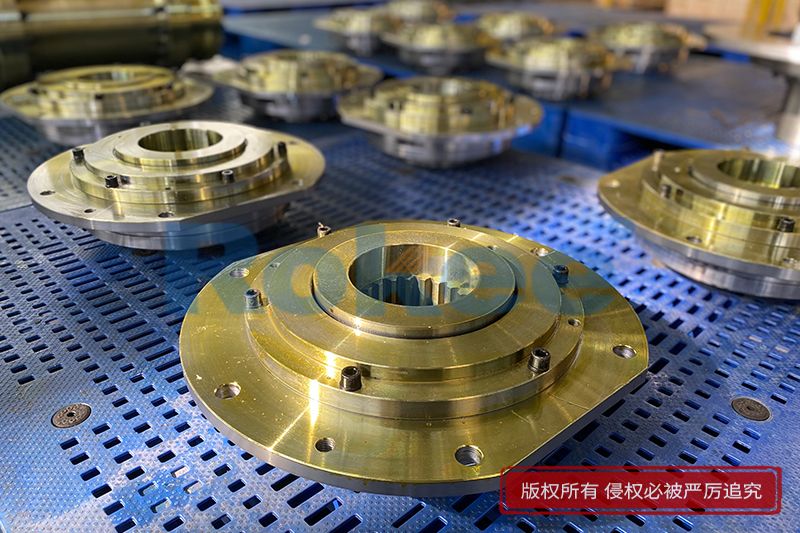
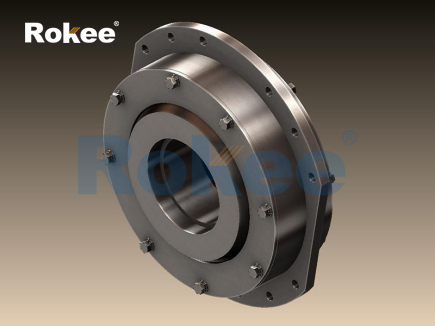
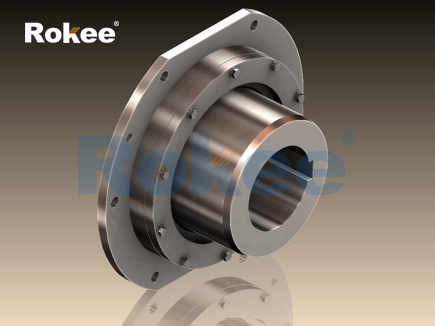
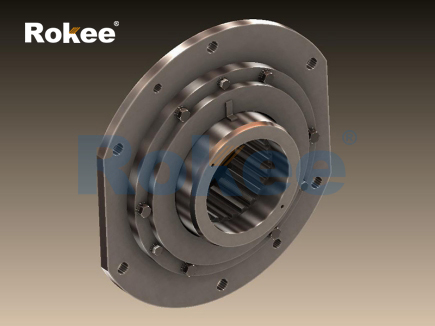
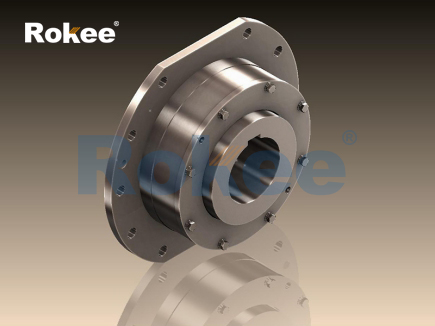
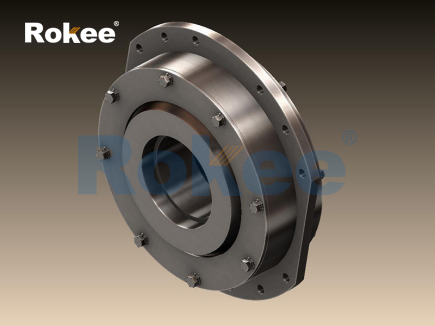
Barrel couplings are essential mechanical components designed to connect two shafts in power transmission systems, enabling the efficient transfer of torque while accommodating minor misalignments and reducing stress on connected equipment. These versatile couplings are widely used across various industries, from heavy machinery and manufacturing to transportation and energy, making them a critical part of many operational setups. When searching for barrel couplings for sale, it is important to understand their design, functionality, applications, and key considerations to ensure you select the right product for your specific needs.

At their core, barrel couplings consist of a sleeve and a hub, each fitted with semi-circular cogs that form a housing for cylindrical hardened steel barrels. These barrels act as the primary torque-transmitting elements, transferring force between the sleeve and the hub through their contact surfaces. The design of the cogs and barrels allows for a smooth and efficient transfer of high torques, while also providing a degree of flexibility to compensate for angular and axial misalignments between the connected shafts. This flexibility is crucial in many industrial applications, where perfect alignment of shafts is often difficult to achieve due to installation inaccuracies, structural deflection under load, or wear over time. By absorbing these misalignments, barrel couplings help prevent excessive stress on bearings, gears, and other components, extending the overall lifespan of the equipment.
One of the key characteristics of barrel couplings is their ability to handle both high torques and radial loads, making them suitable for heavy-duty applications. The hardened steel barrels have a large supporting area, which allows them to distribute the stresses caused by torque and radial forces evenly, reducing the risk of wear and failure. Additionally, the design of barrel couplings eliminates the risk of tooth breakage that can occur with other types of couplings, such as gear couplings, which are more susceptible to bending stresses. This makes barrel couplings a reliable choice for applications where durability and long service life are essential.
Another important feature of barrel couplings is their compact design, which allows for easy installation even in tight spaces. Many barrel couplings are delivered fully assembled, with pre-machined holes and keyways, reducing the time and effort required for installation. The integrated inner ring in some designs further simplifies assembly, allowing for quick and easy connection to the shafts. Additionally, some barrel couplings are equipped with wear indicators, which enable operators to monitor the condition of the coupling without disassembling it. This feature is particularly useful in industrial settings, where regular maintenance and inspection are necessary to prevent unexpected downtime.
Barrel couplings are used in a wide range of applications, with a particular focus on material handling technology. They are commonly found in cranes, hoists, and winches, where they connect the rope drum to the gearbox output shaft. In these applications, the barrel coupling must transmit high torques and large radial forces while compensating for misalignments between the gearbox and the drum. This is critical because a rigid connection between the gear shaft and the drum would create a statically indeterminate system, leading to excessive bending stresses and potential damage to the gearbox bearings and shafts. By acting as a floating joint, the barrel coupling transforms this into a statically determined drive train, eliminating the risk of misalignment-related damage.
Beyond cranes and hoists, barrel couplings are also used in conveyor systems, where they connect the drive motor to the conveyor belt, ensuring smooth and efficient operation. They are also found in industrial machinery such as pumps, compressors, and generators, where they play a vital role in transmitting power between components. In the energy sector, barrel couplings are used in wind turbines and hydroelectric plants, where they must withstand harsh environmental conditions and high loads while maintaining reliable performance. Additionally, they are used in the automotive and aerospace industries, where precision and durability are paramount.
When looking for barrel couplings for sale, there are several key considerations to keep in mind to ensure you select the right product for your application. First and foremost, you need to determine the torque requirements of your system. Barrel couplings are available in a range of sizes, with different torque capacities, so it is essential to choose a coupling that can handle the maximum torque generated by your equipment. It is also important to consider the radial load capacity, as some applications require the coupling to support significant radial forces.
Another important consideration is the misalignment compensation capability of the coupling. Different barrel couplings can compensate for varying degrees of angular and axial misalignment. Angular misalignment compensation typically ranges from ±1 degree to ±3 degrees, depending on the design, while axial displacement compensation can range from ±3 mm to ±8 mm. You should choose a coupling that can accommodate the maximum misalignment expected in your system to ensure optimal performance and prevent premature wear.
The material of the barrel coupling is also a critical factor. Most barrel couplings are made from high-strength steel, which provides excellent durability and resistance to wear and corrosion. However, some applications may require couplings made from other materials, such as stainless steel for use in corrosive environments or lightweight alloys for applications where weight is a concern. It is important to select a material that is compatible with the operating environment of your equipment.
Installation and maintenance requirements should also be considered when purchasing barrel couplings. Look for couplings that are easy to install, with pre-machined components and clear installation instructions. Additionally, consider the maintenance needs of the coupling, such as lubrication requirements. Some barrel couplings require regular lubrication to ensure smooth operation and prevent wear, while others are designed to be maintenance-free. Choosing a coupling with maintenance requirements that align with your operational capabilities can help reduce downtime and maintenance costs.
It is also important to consider the operating environment when selecting barrel couplings. Factors such as temperature, humidity, and exposure to chemicals or debris can affect the performance and lifespan of the coupling. For example, couplings used in outdoor applications or harsh industrial environments may require additional protection against corrosion and contamination. Look for couplings with effective sealing systems to prevent foreign bodies from entering the coupling and damaging the internal components.
When purchasing barrel couplings, it is essential to source them from a reliable supplier. A reputable supplier will offer high-quality products that meet industry standards and are designed to withstand the demands of your application. They will also provide technical support and advice to help you select the right coupling for your needs. Additionally, a reliable supplier will offer a range of options, allowing you to choose the size, material, and design that best fits your requirements.
One of the benefits of barrel couplings is their versatility. They can be customized to meet specific application requirements, such as different bore sizes, flange configurations, and torque capacities. Customized barrel couplings are ideal for applications with unique specifications that cannot be met by standard products. When working with a supplier, be sure to provide detailed information about your application, including torque requirements, radial load, misalignment, and operating environment, to ensure the customized coupling meets your needs.
Another advantage of barrel couplings is their cost-effectiveness. While they may have a higher initial cost than some other types of couplings, their durability and long service life make them a cost-effective choice in the long run. By reducing the need for frequent replacements and maintenance, barrel couplings help lower overall operational costs. Additionally, their ability to prevent damage to other equipment, such as bearings and gears, further reduces maintenance and replacement costs.
In conclusion, barrel couplings are essential components in power transmission systems, offering reliable torque transfer, misalignment compensation, and durability. When searching for barrel couplings for sale, it is important to consider factors such as torque capacity, radial load, misalignment compensation, material, installation, maintenance, and operating environment. By selecting the right barrel coupling for your application, you can ensure the efficient and reliable operation of your equipment, reduce downtime, and lower maintenance costs. Whether you need a standard or customized barrel coupling, working with a reliable supplier will help you find the perfect product to meet your needs. With their wide range of applications and numerous benefits, barrel couplings are a smart investment for any industrial operation looking to enhance performance and reliability.
When selecting barrel couplings, it is also important to consider the compatibility with the shafts they will connect. The bore size of the coupling must match the diameter of the shafts to ensure a secure fit. Some barrel couplings have adjustable bore sizes, while others are available in fixed sizes, so it is important to measure the shaft diameter accurately before making a purchase. Additionally, the keyway size and position must align with the shafts to ensure proper torque transmission. Taking the time to verify these measurements will help avoid installation issues and ensure the coupling functions correctly.
Another factor to consider is the operating speed of the system. Barrel couplings are designed to operate at specific speeds, and exceeding these speeds can lead to excessive wear, vibration, and potential failure. It is important to choose a coupling that is rated for the maximum operating speed of your equipment to ensure safe and reliable operation. The supplier can provide information about the speed rating of each coupling, helping you make an informed decision.
In addition to their functional benefits, barrel couplings also offer ease of maintenance. Many designs feature removable covers, which allow for easy access to the internal components for inspection and lubrication. This simplifies maintenance tasks and reduces the time required to service the coupling. Some barrel couplings also have grease fittings, which make it easy to add lubricant without disassembling the coupling. Regular lubrication helps reduce friction between the barrels and cogs, extending the service life of the coupling and ensuring smooth operation.
It is also important to consider the environmental impact of the barrel coupling. Choosing a coupling made from recyclable materials can help reduce your carbon footprint and support sustainable manufacturing practices. Additionally, selecting a coupling with a long service life reduces the number of couplings that need to be replaced, further minimizing environmental impact. Many suppliers offer eco-friendly options, so be sure to ask about these when purchasing barrel couplings.
When purchasing barrel couplings in bulk, it is often possible to negotiate a better price with the supplier. Bulk purchases are ideal for large-scale operations or companies that regularly need to replace couplings. Additionally, some suppliers offer discounts for repeat customers, making it more cost-effective to source your barrel couplings from a single, reliable supplier. Building a long-term relationship with a supplier can also provide access to technical support, customized solutions, and faster delivery times.
In summary, barrel couplings are a versatile and reliable choice for power transmission applications across a wide range of industries. When looking for barrel couplings for sale, it is important to consider all the key factors, including torque capacity, radial load, misalignment compensation, material, installation, maintenance, operating environment, shaft compatibility, operating speed, and environmental impact. By taking the time to research and select the right coupling, you can ensure the efficient and reliable operation of your equipment, reduce downtime, and lower maintenance costs. Whether you need a standard or customized solution, working with a reputable supplier will help you find the perfect barrel coupling to meet your specific needs.
- Tags:
- Barrel Couplings ,
- sandwich panel line ,
- sandwich panel machine
- pu sandwich panel machine
« Barrel Couplings For Sale » Latest Update Date: May 9, 2026
https://www.rokeecoupling.net/blog/barrel-couplings-for-sale.html