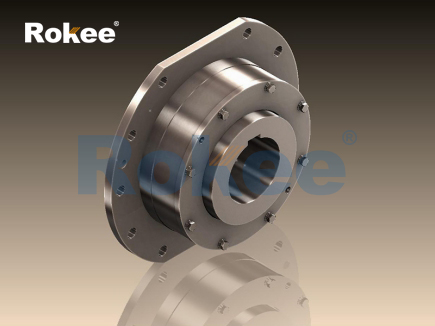
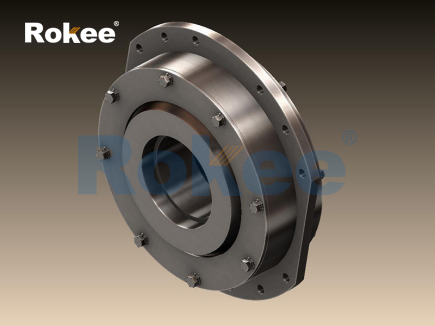
In the complex ecosystem of industrial machinery, where precision and reliability are the cornerstones of efficient operation, barrel couplings stand out as indispensable components that bridge the gap between rotating shafts, ensuring seamless torque transmission and alignment. A dedicated barrel couplings factory serves as the backbone of this critical supply chain, combining advanced manufacturing techniques, rigorous quality control, and a deep understanding of industrial needs to produce components that meet the diverse demands of sectors ranging from heavy machinery to precision engineering. These factories are not merely production facilities but hubs of innovation and expertise, where every step of the manufacturing process is fine-tuned to deliver products that excel in durability, performance, and adaptability.
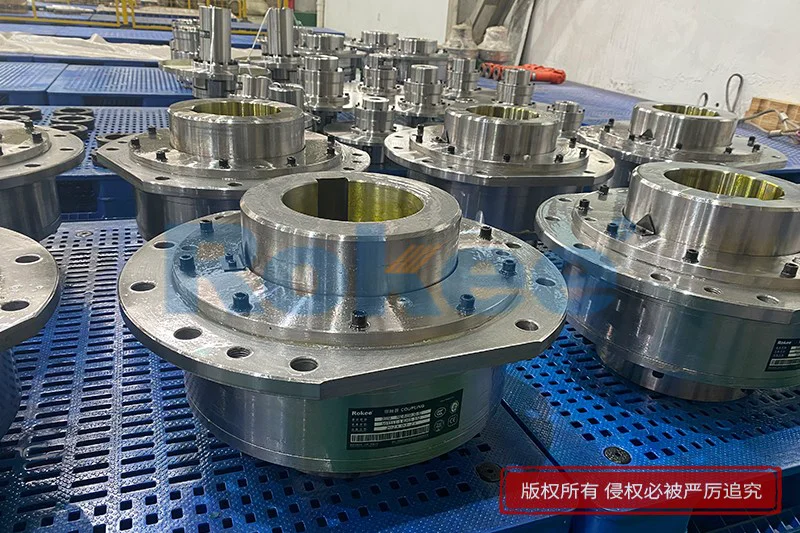
The foundation of any successful barrel couplings factory lies in its commitment to precision engineering, starting with the selection of raw materials. The choice of materials is dictated by the specific applications for which the couplings are intended, as different industrial environments impose varying demands—from high temperatures and corrosive substances to heavy loads and constant vibration. Common materials used include high-grade carbon steel, alloy steel, and in some cases, specialized metals that offer enhanced resistance to wear, corrosion, and fatigue. Each material undergoes strict testing to ensure it meets the required mechanical properties, such as tensile strength, hardness, and ductility, as these factors directly impact the performance and lifespan of the barrel couplings. The raw materials are carefully inspected upon arrival, with samples tested in on-site laboratories to verify their quality and consistency, ensuring that only the highest-quality materials enter the production process.
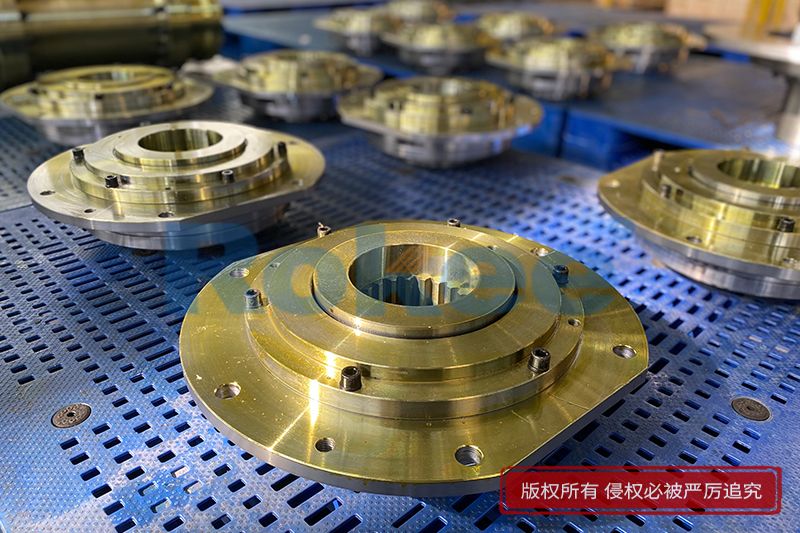
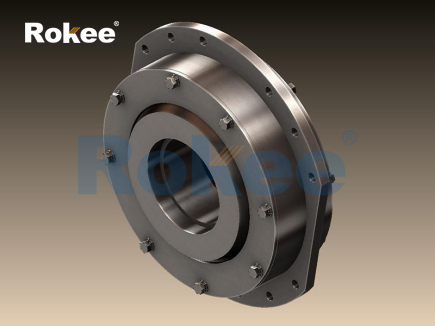
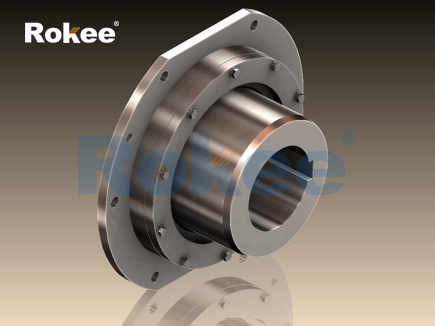
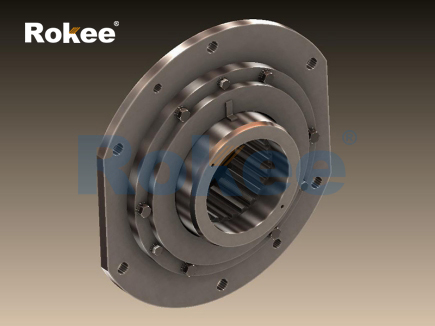
Once the raw materials are approved, the manufacturing process begins with cutting and shaping, where advanced machinery is used to transform the raw stock into the basic components of the barrel coupling. CNC (Computer Numerical Control) lathes and milling machines are the workhorses of this stage, offering unparalleled precision and consistency. These machines are programmed to cut the cylindrical body—known as the barrel—with exacting dimensions, ensuring that the inner and outer surfaces are smooth and uniform. The barrel’s design, which typically features integrated cavities and angularly extending lips or wings, is critical to its functionality, as it determines the coupling’s ability to transmit torque and accommodate misalignment. Skilled technicians monitor the cutting process closely, making adjustments as needed to maintain the strict tolerances required for optimal performance. In some cases, additional processes such as forging or casting may be used for specialized barrel designs, particularly those intended for heavy-duty applications where extra strength is required.
Following the cutting and shaping stage, the components move on to machining and finishing, where the precision of the parts is further refined. This stage involves processes such as turning, grinding, and drilling, which ensure that all surfaces are free of imperfections and that the coupling’s internal and external features—such as splines, teeth, or clamping mechanisms—are accurately formed. For flexible barrel couplings, this stage also includes the integration of elastic elements, such as rubber or metal membranes, which are carefully fitted to accommodate misalignment and dampen vibrations. The machining process is guided by advanced software that ensures each component meets the exact specifications of the design, with regular inspections using precision measuring tools—such as micrometers, calipers, and coordinate measuring machines (CMMs)—to verify dimensional accuracy. Any components that do not meet the required tolerances are rejected, ensuring that only perfect parts move forward in the production process.
Assembly is the next critical stage in the manufacturing process, where the individual components are brought together to form the final barrel coupling. This process requires a high level of skill and attention to detail, as even minor misalignments during assembly can compromise the coupling’s performance. Technicians carefully fit the barrel, hubs, seals, and any additional components—such as elastic elements or clamping collars—ensuring that each part is properly aligned and secured. For couplings that require lubrication, a precise amount of high-quality lubricant is applied to the internal components to reduce friction, prevent wear, and extend the coupling’s lifespan. The assembly process is followed by a series of functional tests, where each coupling is checked for torque transmission capacity, alignment accuracy, and resistance to misalignment. These tests simulate real-world operating conditions, ensuring that the couplings can perform reliably under the stresses they will encounter in industrial applications.
Quality control is embedded throughout every stage of the manufacturing process in a barrel couplings factory, serving as a non-negotiable standard that ensures the consistency and reliability of the final products. From the initial inspection of raw materials to the final testing of assembled couplings, every step is subject to rigorous checks and verifications. In addition to dimensional and functional testing, couplings may also undergo non-destructive testing (NDT) methods, such as ultrasonic testing or magnetic particle inspection, to detect any internal defects that may not be visible to the naked eye. These tests are crucial for identifying potential issues that could lead to premature failure, particularly in high-stress applications where coupling failure could result in costly downtime or safety hazards. The factory maintains detailed records of all quality control tests, allowing for traceability of each product and ensuring that any issues can be quickly identified and addressed.
The versatility of barrel couplings means that a dedicated factory must be able to produce a wide range of designs to meet the diverse needs of different industries. Barrel couplings are available in various types, each tailored to specific applications. Rigid barrel couplings are designed for high-torque applications where shaft alignment is precise, often incorporating flanges or splines to ensure a secure connection. Flexible barrel couplings, on the other hand, are equipped with elastic elements that allow for slight misalignments between shafts, reducing vibration and wear on connected machinery. Clamping barrel couplings utilize split sleeves or adjustable collars, making them easy to install and maintain without the need to disassemble the entire shaft system. Additionally, specialized barrel couplings are designed for specific industries, such as those used in lifting equipment, where they connect the cable drum with the gearbox output shaft, acting as an articulated joint to avoid high bending moments and accommodate installation inaccuracies.
The applications of barrel couplings are vast and varied, spanning nearly every major industrial sector. In the heavy machinery industry, they are used in mining equipment, construction machinery, and cranes, where they transmit high torque and withstand the harsh conditions of outdoor and industrial environments. In the manufacturing sector, barrel couplings are integral to conveyor systems, pumps, and compressors, ensuring the smooth operation of production lines. They are also widely used in the energy sector, including wind power, gas turbine, and nuclear power applications, where reliability and precision are critical to safe and efficient energy production. In addition, barrel couplings find applications in marine and aerospace industries, where they must withstand extreme temperatures, pressure, and vibration while maintaining optimal performance. The ability of a barrel couplings factory to produce components that meet the unique requirements of each industry is a testament to its expertise and flexibility.
As industrial technology continues to evolve, barrel couplings factories are constantly adapting to meet new challenges and opportunities. One of the key trends driving innovation in the industry is the increasing demand for more durable and maintenance-free couplings, particularly as industries seek to reduce downtime and operational costs. Factories are responding by incorporating advanced materials, such as high-performance alloys and engineered plastics, which offer enhanced corrosion resistance, temperature tolerance, and fatigue strength. Additionally, there is a growing focus on the integration of advanced sealing technologies to meet increasingly stringent environmental and safety regulations, preventing the leakage of lubricants and the ingress of dust and debris.
Another important trend is the adoption of automation and digitalization in the manufacturing process. Barrel couplings factories are increasingly using automated production lines, robotic arms, and advanced software to improve efficiency, reduce human error, and increase production capacity. Digital tools such as computer-aided design (CAD) and computer-aided manufacturing (CAM) software allow for more precise design and production, while data analytics and IoT (Internet of Things) devices enable real-time monitoring of the manufacturing process, allowing for quick adjustments and optimizations. This digital transformation not only improves the quality and consistency of the products but also makes the factory more efficient and responsive to customer needs.
The commitment to customer satisfaction is another core value of a successful barrel couplings factory. This involves not only producing high-quality products but also providing responsive and personalized service to meet the unique needs of each customer. Many factories offer customization services, working closely with customers to design and produce barrel couplings that are tailored to their specific applications. This may involve modifying the design, material, or dimensions of the coupling to meet unique performance requirements. The factory’s engineering team works closely with customers to understand their needs, providing technical advice and support throughout the design and production process. Additionally, reliable after-sales service is essential, ensuring that customers receive assistance with installation, maintenance, and troubleshooting, minimizing downtime and maximizing the lifespan of the couplings.
Sustainability is also becoming an increasingly important consideration for barrel couplings factories. As industries around the world focus on reducing their environmental impact, factories are adopting eco-friendly practices throughout the manufacturing process. This includes using recycled materials where possible, reducing energy consumption by optimizing production processes, and minimizing waste through efficient resource management. Many factories are also investing in renewable energy sources, such as solar or wind power, to power their operations, further reducing their carbon footprint. Additionally, the design of barrel couplings is evolving to be more energy-efficient, with features that reduce friction and improve torque transmission efficiency, helping customers reduce their own energy consumption.
The global market for barrel couplings is growing steadily, driven by the increasing demand for efficient and reliable mechanical power transmission across various industries. This growth is fueled by the expansion of industrial automation, the rise in heavy machinery production, and the ongoing modernization of manufacturing processes. Barrel couplings factories play a crucial role in meeting this demand, leveraging their expertise, advanced technology, and commitment to quality to produce components that drive industrial efficiency and innovation. As the market continues to evolve, these factories will continue to adapt, investing in new technologies, materials, and processes to stay ahead of the curve and meet the changing needs of their customers.
In conclusion, a barrel couplings factory is more than just a production facility—it is a center of precision, innovation, and reliability that supports the smooth operation of countless industrial applications. From the careful selection of raw materials to the rigorous quality control processes, every aspect of the manufacturing process is designed to produce barrel couplings that meet the highest standards of performance and durability. As industrial technology advances, these factories will continue to play a vital role in driving progress, providing the critical components that enable industries to operate more efficiently, safely, and sustainably. Whether it is for heavy machinery, precision manufacturing, or renewable energy, the barrel couplings produced by these factories are essential to the functioning of the modern industrial world, ensuring that power is transmitted seamlessly and reliably, day in and day out.
- Tags:
- Barrel Couplings ,
- sandwich panel line ,
- sandwich panel machine
- pu sandwich panel machine
« Barrel Couplings Factory » Latest Update Date: May 9, 2026
https://www.rokeecoupling.net/blog/barrel-couplings-factory.html