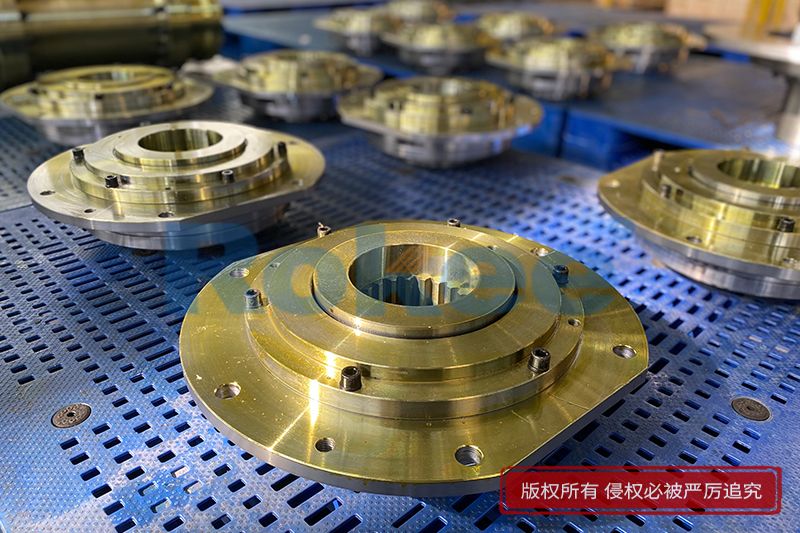
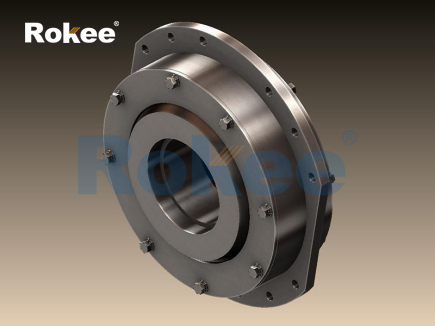
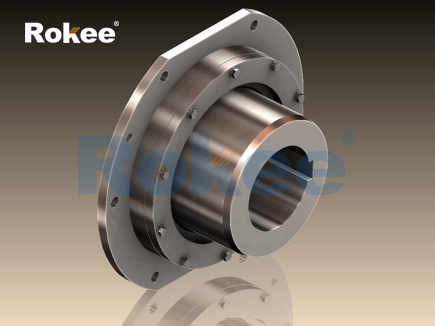
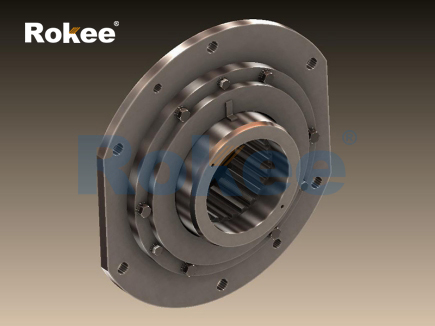
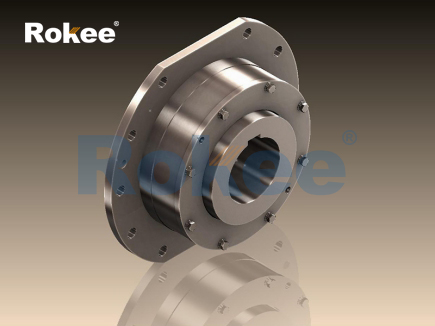
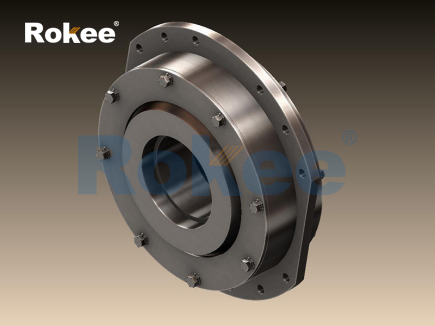
Barrel couplings stand as indispensable mechanical transmission components in modern industrial systems, serving as critical connecting parts between rotating shafts in diverse mechanical equipment. Distinguished from traditional rigid and ordinary flexible couplings, they feature a unique barrel-shaped contact structure that integrates high torque transmission capacity, excellent misalignment adaptability, and outstanding load resistance, enabling them to deliver stable and efficient power transmission in complex and harsh working conditions. Their distinctive structural design endows them with unparalleled applicability in heavy-duty operation, dynamic load buffering, and long-cycle continuous operation, making them widely adopted across mining, metallurgy, material handling, power equipment, industrial processing, and transportation machinery. Exploring the diverse uses of barrel couplings helps clarify their core value in optimizing mechanical transmission efficiency, reducing equipment wear, and extending the service life of industrial machinery.
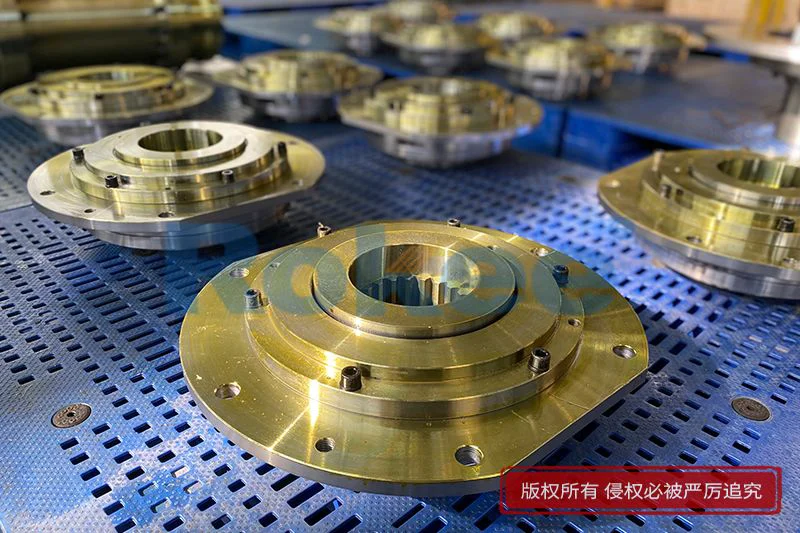
The core functional advantages of barrel couplings lay the foundation for their extensive industrial applications. Different from common couplings that rely on linear or point contact for power transmission, barrel couplings adopt a surface contact working mode between internal components. This structural feature effectively disperses transmission pressure, avoids local stress concentration during torque operation, and greatly improves the overall load-bearing capacity of the transmission structure. Such a design allows the components to generate rolling-slipping composite motion during operation, which effectively reduces friction loss between matching parts and inhibits the generation of local wear and fatigue cracks under long-term operation. Meanwhile, the flexible matching structure of barrel couplings can adapt to slight axial, radial, and angular misalignment between connected shafts caused by equipment installation errors, foundation settlement, thermal expansion and contraction, and long-term mechanical deformation. This adaptive capability eliminates additional mechanical stress on shafts, bearings, and gear components during power transmission, fundamentally reducing the risk of premature equipment failure. In addition, barrel couplings can effectively absorb impact loads and reverse loads generated by equipment start-stop, sudden load changes, and alternating operation, buffering mechanical vibration and ensuring the stability of the entire transmission system. These comprehensive performance advantages make them the preferred transmission component for most heavy-duty and continuous operating mechanical equipment.
Material handling and lifting machinery represent the most mainstream application scenarios of barrel couplings, where their performance characteristics fit perfectly with the operating demands of such equipment. Various cranes, hoists, winches, and drum conveying machinery need to transmit large torque to complete heavy object lifting and material transportation, and barrel couplings are usually installed at the connecting position between reducer output shafts and cable drums. In lifting operations, the cable tension generates continuous radial loads on the drum, and the frequent start-stop and lifting weight changes produce instantaneous impact loads. Ordinary couplings often struggle to withstand such composite loads and are prone to deformation, wear and transmission failure, while barrel couplings can stably bear both high torque and large radial force, maintaining accurate power transmission without displacement or loosening. During the frequent forward and reverse rotation of lifting equipment, the buffer performance of barrel couplings can offset the mechanical inertia impact generated by direction switching, avoiding rigid collision inside the transmission system. This not only ensures the smooth and safe operation of lifting equipment but also reduces the wear of key components such as reducers and drums, lowering the frequency of equipment maintenance and downtime. In large-scale port handling and factory workshop lifting scenarios, barrel couplings maintain stable working performance under long-term high-intensity operation, effectively improving the continuous operation efficiency of material handling systems.
Mining and metallurgical industrial equipment is another key application field for barrel couplings, where the harsh working environments and heavy-duty operating conditions put forward extremely high requirements for mechanical transmission components. Mining machinery such as mining conveyors, ore crushing equipment, and mining hoists often operate in dusty, high-resistance, and variable-load environments. The transmission system of this equipment needs to keep running continuously for a long time and bear uneven impact loads caused by ore accumulation and mechanical vibration. The high load-bearing and wear-resistant properties of barrel couplings enable them to adapt to such severe working conditions, maintaining stable power transmission without frequent failure even in long-term high-strength operation. In metallurgical production, rolling mills, smelting auxiliary machinery, and high-temperature conveying equipment face challenges such as high-temperature thermal deformation and continuous alternating loads. The structural stability of barrel couplings allows them to adapt to shaft misalignment changes caused by thermal expansion of high-temperature equipment, ensuring the accuracy and continuity of power transmission. Moreover, the excellent anti-fatigue performance of barrel couplings effectively resists material fatigue damage caused by long-term alternating loads, greatly extending the service cycle of transmission components and reducing the production loss caused by equipment shutdown and replacement in continuous industrial production lines.
Power and fluid mechanical equipment also relies heavily on the reliable performance of barrel couplings to ensure system operation stability. Industrial pumps, air compressors, fans, and power transmission machinery are typical rotating equipment that requires long-term continuous operation. During the operation of such equipment, factors such as foundation settlement, equipment aging, and thermal expansion will inevitably cause slight misalignment between the driving shaft and the driven shaft. If rigid transmission components are used, misalignment will generate additional friction and stress, accelerating the wear of bearings and shaft parts and leading to reduced equipment efficiency and shortened service life. Barrel couplings can automatically compensate for various slight misalignments through their flexible structural matching, eliminating additional transmission resistance and mechanical stress. At the same time, their good vibration damping performance can absorb the vibration generated by high-speed operation of pumps and compressors, reducing the vibration noise of the equipment and avoiding loose connection of parts caused by long-term vibration. In large-scale power generation auxiliary equipment and industrial fluid delivery systems, barrel couplings maintain efficient and stable power transmission, ensure the continuous and stable operation of fluid delivery and gas compression processes, and improve the overall operational efficiency of power systems.
General industrial processing and automated production machinery also widely apply barrel couplings to optimize transmission performance. In factory automated production lines, conveying machinery, processing machine tools, and packaging equipment often require precise and stable power transmission to ensure the consistency of product processing and conveying accuracy. The low wear and high stability characteristics of barrel couplings ensure the synchronization of mechanical operation, avoiding processing errors and equipment jitter caused by unstable transmission. For medium and heavy-duty processing machinery that needs frequent start-stop and variable-speed operation, the impact resistance of barrel couplings can buffer the instantaneous load changes during equipment operation, protect the motor and transmission components from instantaneous current impact and mechanical damage, and improve the safety and stability of equipment operation. In addition, the compact structural design of barrel couplings saves installation space, making them suitable for integrated and compact automated mechanical systems. Their simple installation and convenient later maintenance also reduce the operational cost of industrial production lines, bringing higher economic benefits to continuous industrial production.
Transportation and special engineering machinery also benefit greatly from the excellent performance of barrel couplings. In the auxiliary transmission systems of various engineering vehicles and transportation equipment, barrel couplings are used in the connecting parts of drive shafts, power auxiliary systems, and hydraulic transmission mechanisms. The lightweight and high-strength structural characteristics of optimized barrel couplings can reduce the overall weight of vehicle transmission systems, helping to improve equipment energy utilization efficiency. In road construction machinery and municipal engineering equipment, the working environment is complex and changeable, with frequent vibration and impact during operation. Barrel couplings can adapt to variable load operation conditions, maintain stable power output in complex working environments, and ensure the normal operation of engineering machinery. In marine and port engineering equipment, the structural stability and corrosion resistance of barrel couplings enable them to adapt to humid and high-salt working environments, resisting structural aging and performance degradation caused by environmental factors, and providing reliable transmission guarantee for long-term marine operation equipment.
Beyond direct power transmission, barrel couplings also play a vital role in mechanical system protection and operation optimization. As a key buffer and connecting component in the transmission chain, they can effectively isolate vibration and impact from the load end, preventing abnormal load impact from being transmitted to power components such as motors and reducers. This passive protection effect greatly reduces the failure rate of core power components and avoids major equipment damage caused by sudden load changes. At the same time, the low-friction operation characteristics of barrel couplings reduce mechanical energy loss during power transmission, improving the overall transmission efficiency of mechanical systems. In long-term operating equipment, the stable wear state of barrel couplings avoids transmission accuracy attenuation caused by component wear, ensuring the long-term operation precision of mechanical equipment. Additionally, their strong adaptability to complex working conditions reduces the limitation of mechanical equipment in site selection and environment use, expanding the applicable scope of various industrial machinery.
With the continuous upgrading of modern industrial manufacturing technology, the application scope of barrel couplings is still expanding, and their functional value is being further explored. Traditional industrial scenarios focus on the load-bearing and stable transmission performance of barrel couplings, while emerging intelligent and high-efficiency manufacturing scenarios put forward higher requirements for their precision, durability and environmental adaptability. In intelligent automated production, high-precision barrel couplings ensure the synchronous operation of multi-unit mechanical equipment, providing basic guarantee for automated and intelligent production. In green and low-carbon industrial development, the low energy consumption and low wear characteristics of barrel couplings help reduce mechanical energy loss and equipment replacement frequency, reducing industrial energy consumption and waste of mechanical materials. The continuous optimization of barrel coupling structure and materials will further expand their application advantages in high-precision, high-temperature, low-temperature and corrosion-resistant special working environments, making them more adaptable to the diversified development needs of modern industry.
In conclusion, barrel couplings have become an essential core component of modern mechanical transmission systems by virtue of their unique structural advantages and comprehensive performance. Their uses cover almost all heavy-duty, continuous and complex working condition mechanical equipment, realizing multiple core functions such as efficient power transmission, mechanical vibration buffering, equipment load protection, and operation stability improvement. From traditional mining, metallurgy and lifting machinery to modern intelligent manufacturing and special engineering equipment, barrel couplings always maintain excellent working performance, solve many pain points in mechanical transmission such as easy wear, poor stability and low adaptability of traditional components. With the continuous progress of industrial technology, barrel couplings will continue to exert their versatile application value, provide more reliable basic support for the efficient and stable operation of various mechanical equipment, and promote the stable development of modern industrial manufacturing industry.
- Tags:
- Barrel Couplings ,
- sandwich panel line ,
- sandwich panel machine
- pu sandwich panel machine
« Uses of Barrel Coupling » Latest Update Date: Jun 3, 2026
https://www.rokeecoupling.net/blog/uses-of-barrel-coupling.html