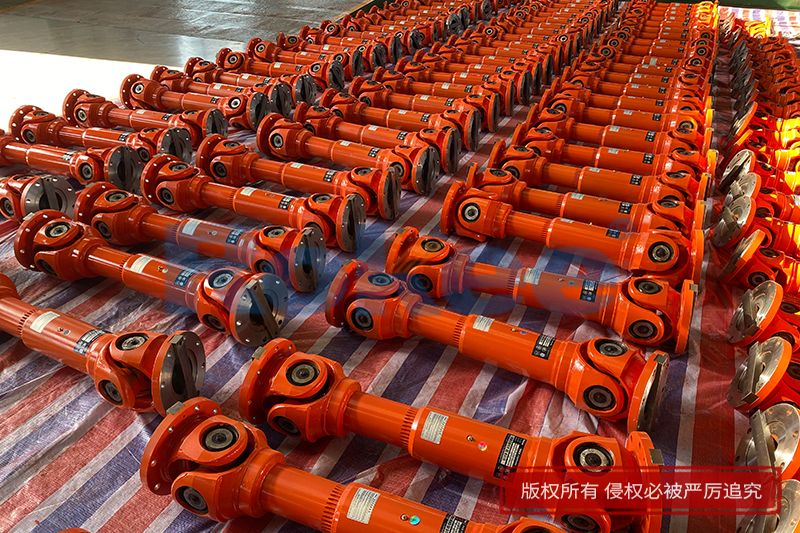
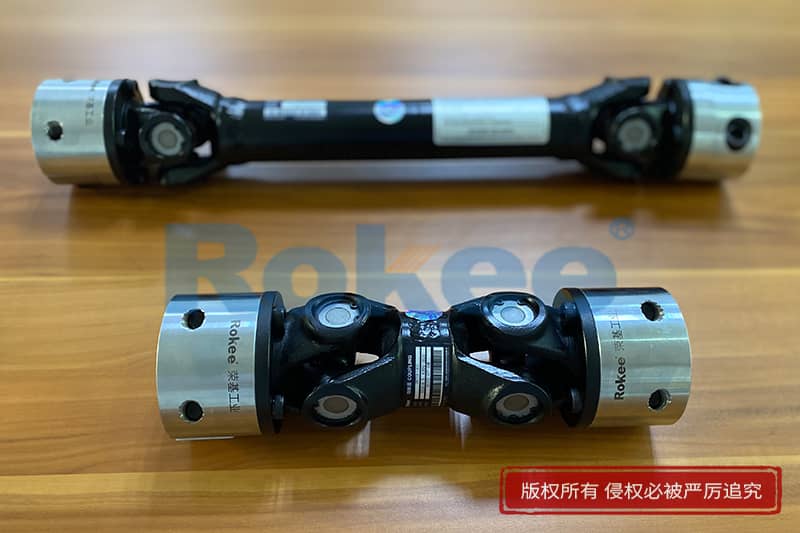
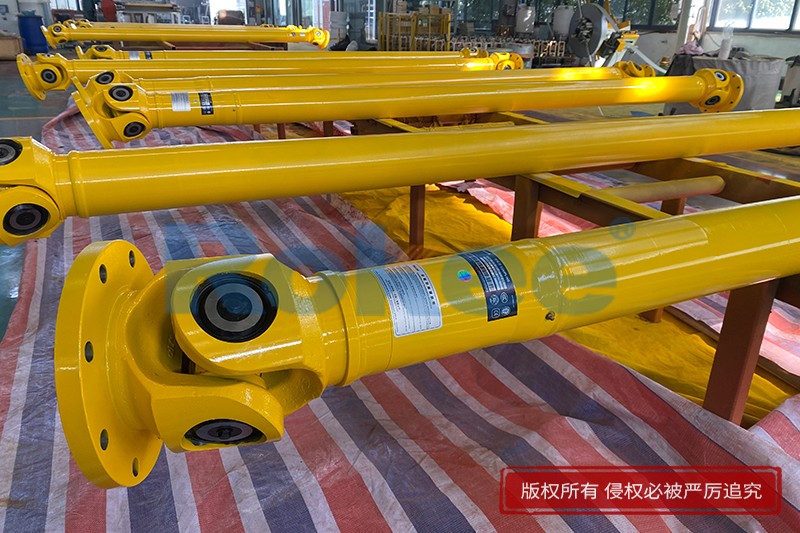
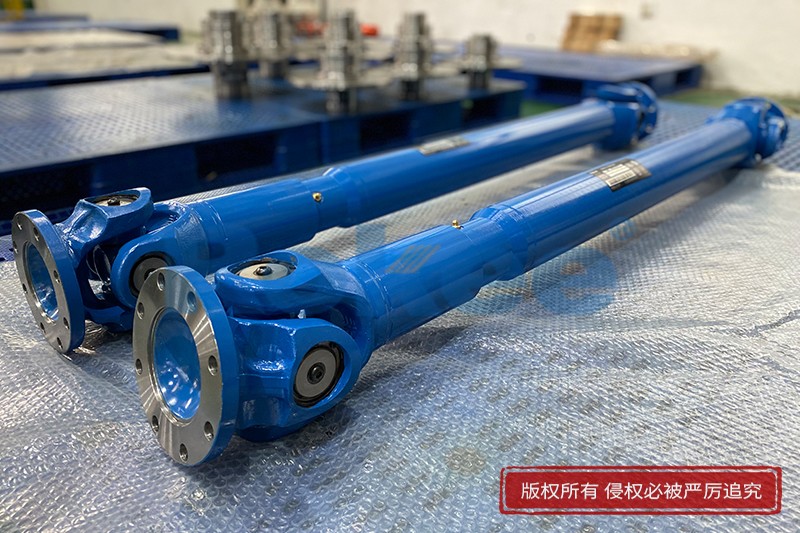
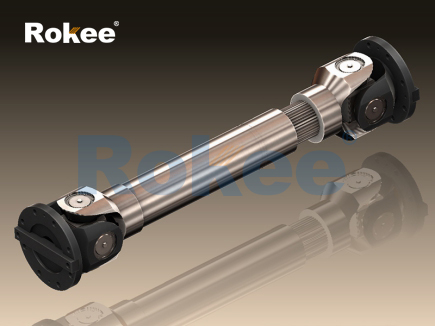
In the intricate ecosystem of mechanical power transmission, reliable shaft connection components serve as the foundational backbone of all rotating equipment, and cardan couplings stand out as one of the most versatile and time-tested solutions for modern industrial and mechanical systems. Engineered to address the inherent challenges of misaligned shaft power transmission, these mechanical components have become essential for countless applications where rigid connection structures fail to adapt to dynamic operating conditions. For machinery operators, maintenance teams, and industrial procurement professionals seeking robust, adaptable, and long-lasting power transmission parts, cardan couplings represent a practical and high-performance option that balances structural simplicity, operational stability, and wide environmental adaptability.
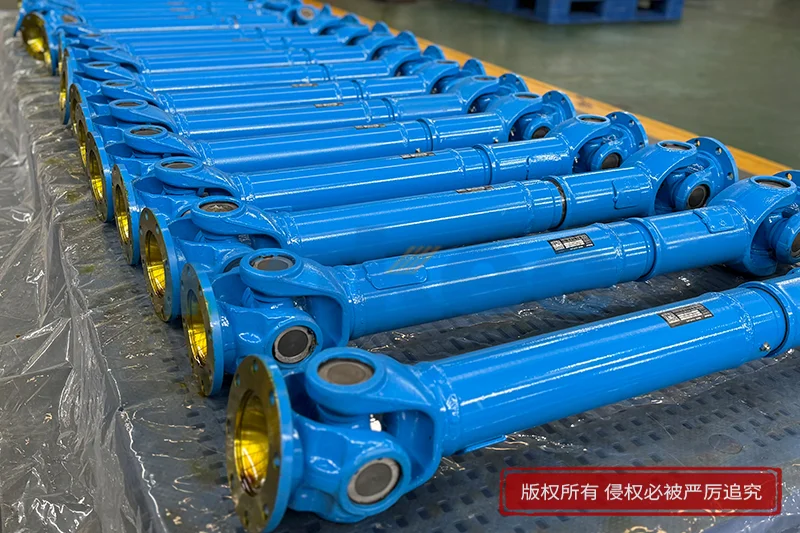
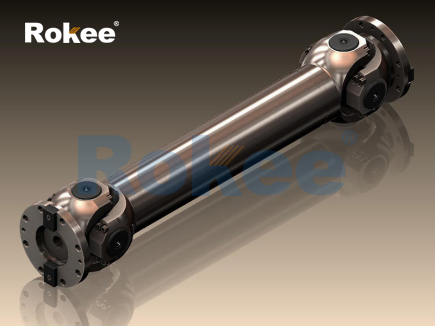
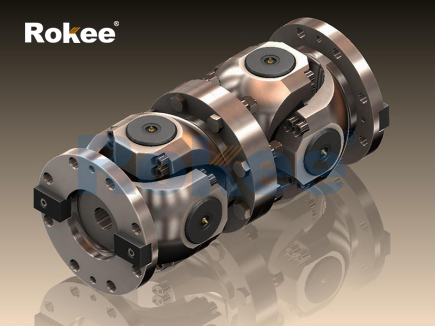
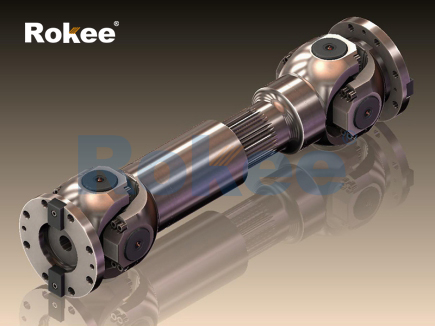
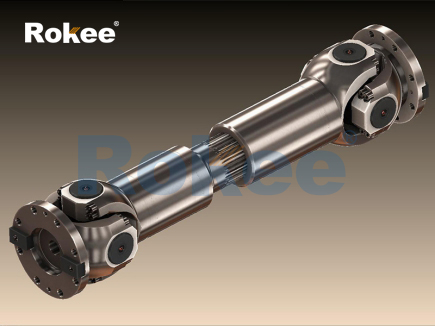
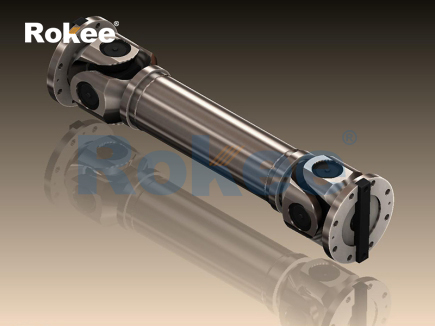
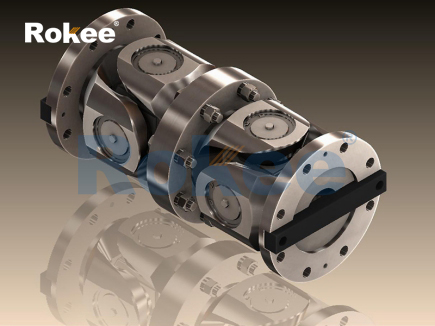
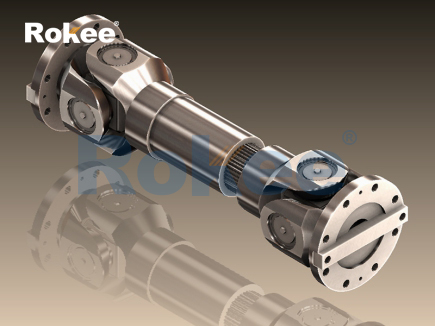
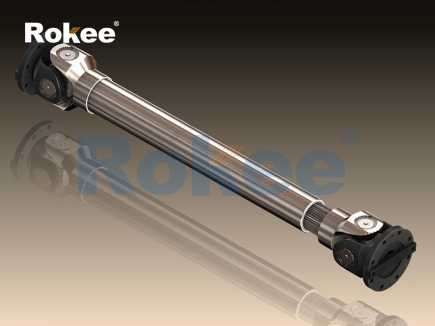
At their core, cardan couplings are mechanical articulated devices designed to transmit rotational torque and continuous motion between two non-collinear shafts. Unlike rigid couplings that demand precise coaxial alignment of connected shafts and elastic couplings that only compensate for minor displacement deviations through material deformation, cardan couplings adopt a unique hinged universal joint structure that enables stable power delivery under complex spatial offset conditions. The basic structural composition of a standard cardan coupling includes two fork-shaped yokes mounted separately on the driving and driven shafts, and a central cross-shaped spider component that connects the two yokes seamlessly. Precision-fitted bearings embedded within the yoke ends interact with the four ends of the cross spider, forming two sets of mutually perpendicular hinge structures. This ingenious geometric design allows independent pivoting movement along two perpendicular axes, which is the key to the component’s exceptional misalignment compensation capability.
The working mechanism of cardan couplings relies entirely on the flexible coordination of their articulated structure to resolve common shaft connection problems in mechanical operation. During equipment operation, mechanical systems often encounter three typical types of shaft deviations: angular misalignment where two shafts form a certain included angle, radial offset where shaft centerlines are parallel but spatially displaced, and axial displacement caused by thermal expansion, mechanical vibration, or equipment wear over time. Most traditional coupling structures can only tolerate extremely small ranges of these deviations, and excessive misalignment will lead to severe torque transmission loss, intensified mechanical vibration, abnormal component wear, and even sudden equipment shutdown. In contrast, cardan couplings can adapt to continuous operation under angular deflection ranging from 5 degrees to 45 degrees, covering the vast majority of misalignment scenarios in conventional mechanical equipment. As the driving shaft rotates, the cross spider rotates synchronously while flexibly adjusting its angle and position according to the real-time spatial state of the two yokes, ensuring that rotational motion and torque are transmitted completely and consistently to the driven shaft without generating additional mechanical stress or motion lag.
One of the most prominent advantages of cardan couplings is their superior adaptability to complex and variable working conditions, which makes them irreplaceable in many harsh industrial scenarios. In mechanical systems where equipment installation errors are inevitable or shaft positions change dynamically during operation, these couplings maintain stable transmission efficiency without compromising structural integrity. Their robust load-bearing capacity allows them to handle high torque and high-speed rotation scenarios that many flexible couplings cannot support, while their flexible hinge structure effectively buffers and disperses instantaneous impact loads generated during equipment startup, shutdown, and load switching. This dual performance of high rigidity under normal operation and flexible buffering under impact conditions greatly improves the overall operational stability of mechanical systems and reduces the risk of component damage caused by sudden load fluctuations.
Durability and low maintenance requirements further enhance the practical value of cardan couplings in long-term industrial operation. Manufactured with integrated structural design and high-strength metal materials, standard cardan couplings feature excellent wear resistance, fatigue resistance, and deformation resistance. The matching parts such as cross spiders and bearings are processed with precision to ensure smooth rotational coordination and minimize frictional resistance during operation. Reasonable structural optimization avoids redundant stress concentration points, enabling the couplings to maintain stable mechanical performance after long-term continuous operation. Compared with other coupling types that require frequent lubrication, regular calibration, or periodic replacement of vulnerable parts, cardan couplings have fewer wearing components and a more stable operating state, effectively reducing daily maintenance workload and long-term equipment operation costs. Even in environments with dust, slight humidity, or variable temperature conditions, these couplings can maintain reliable working performance without frequent failure or performance degradation.
The application scope of cardan couplings covers a wide range of industrial and civilian mechanical fields, fully demonstrating their universal applicability and engineering value. In the field of industrial manufacturing, they are widely used in transmission systems of processing machinery, conveyor equipment, printing machinery, and packaging equipment. These devices often face unstable shaft alignment caused by long-term vibration and equipment aging, and cardan couplings can continuously compensate for minor position deviations to ensure consistent production operation. In the agricultural machinery industry, farming equipment such as harvesters, tillers, and irrigation machines often operate on uneven ground, resulting in frequent dynamic changes in shaft angles during work. The excellent angular adaptability of cardan couplings perfectly matches the complex working environment of agricultural machinery, ensuring stable power output of field operation equipment.
In the transportation and engineering machinery sector, cardan couplings play a vital role in medium and large-scale mechanical equipment. Engineering vehicles, construction machinery, and marine power transmission systems all rely on these couplings to complete power transmission between spatially staggered shafts. The high torque resistance and impact resistance of cardan couplings can fully adapt to the high-load and high-strength working characteristics of engineering equipment, effectively avoiding transmission system failures caused by harsh working conditions. Additionally, in special equipment fields such as aerospace auxiliary machinery and precision testing equipment, customized cardan coupling structures are also applied to meet the precise and stable power transmission requirements under limited spatial installation conditions.
When selecting cardan couplings for practical application, it is essential to focus on matching product performance with actual working conditions to maximize operational efficiency and service life. The first key factor is the operating angle of the equipment. Although cardan couplings support a wide deflection range, long-term operation under ultra-large angles will appropriately increase mechanical wear and reduce transmission stability. It is recommended to control the conventional working angle within 25 degrees for most standard working conditions to balance performance and durability. The second factor is the matching of torque and rotational speed parameters. Different equipment loads and operating speeds correspond to different structural specifications of cardan couplings, and reasonable model selection can avoid structural overload or performance redundancy. Meanwhile, the operating environment should not be ignored; for high-dust, high-humidity, or high-temperature working scenarios, optimized structural designs with enhanced sealing and high-temperature resistance can be selected to adapt to special environmental requirements.
The installation and commissioning process of cardan couplings is simple and efficient, which is another important reason for their widespread popularity. Different from rigid couplings that require precise instrument calibration and strict coaxial alignment, the installation of cardan couplings allows a certain range of position deviation, which greatly reduces the difficulty of equipment assembly and debugging. During installation, it is only necessary to fix the two yokes on the driving and driven shafts respectively, and complete the assembly of the cross spider and bearing components. After simple rotation debugging to ensure flexible hinge movement, the equipment can be put into normal operation. This convenient installation feature not only shortens the equipment assembly cycle but also facilitates later equipment maintenance and component replacement, bringing great convenience to mechanical operation and management.
In terms of long-term operational economy, cardan couplings have significant comprehensive advantages over other transmission components. Their long service life reduces the frequency of component replacement, and their stable transmission performance avoids energy loss caused by poor shaft alignment, indirectly improving equipment energy utilization efficiency. The low failure rate reduces unexpected equipment downtime, ensuring continuous and stable production progress for industrial and mechanical systems. For enterprise equipment management and mechanical operation teams, choosing high-quality cardan couplings means reducing hidden equipment risks, lowering overall operation and maintenance costs, and improving the reliability of the entire mechanical transmission system.
As modern mechanical equipment continues to develop toward high efficiency, high stability, and high adaptability, the market demand for high-performance cardan couplings is constantly increasing. Traditional single-function coupling products are gradually unable to meet the complex and diverse working condition requirements of new mechanical equipment, while cardan couplings, with their flexible structure, wide adaptability, stable performance, and low maintenance cost, have become the preferred upgrade and replacement product for many mechanical transmission systems. Continuous technological optimization in structural design and material processing has further improved the comprehensive performance of cardan couplings, enabling them to adapt to more extreme working conditions and more precise transmission scenarios.
For purchasers and equipment users looking for reliable cardan couplings, focusing on structural precision, material quality, and processing technology is the core of selecting high-quality products. Excellent cardan coupling products adopt standardized structural design, with precise matching between components, smooth hinge movement, no jamming or abnormal noise during operation, and uniform torque transmission. High-strength integral forging materials ensure structural stability under high load and impact conditions, while refined surface processing and internal component matching effectively reduce friction and wear, ensuring long-term stable operation of the product. Whether for new equipment assembly or old component replacement, qualified cardan couplings can provide stable and efficient power transmission support for mechanical systems, creating more stable and efficient operating conditions for various industrial and mechanical applications.
- Tags:
- Cardan Couplings ,
- sandwich panel line ,
- sandwich panel machine
- pu sandwich panel machine
« Cardan Couplings For Sale » Latest Update Date: Jun 18, 2026
https://www.rokeecoupling.net/blog/cardan-couplings-for-sale.html