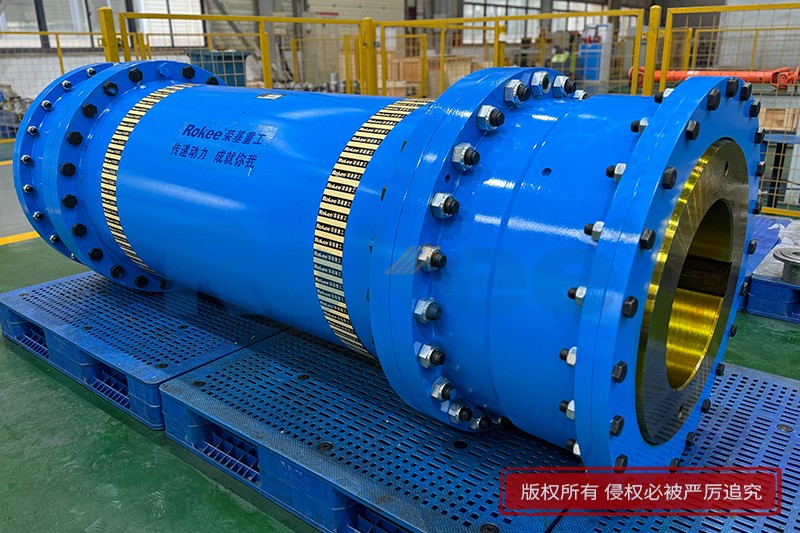
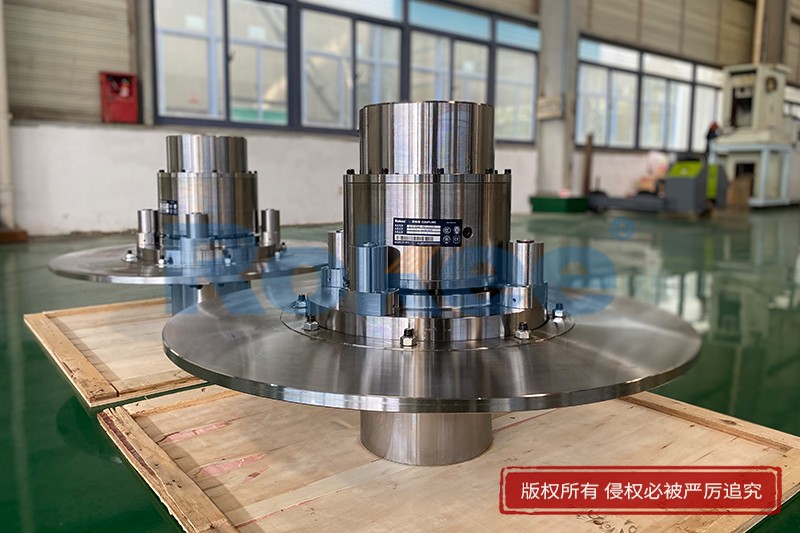
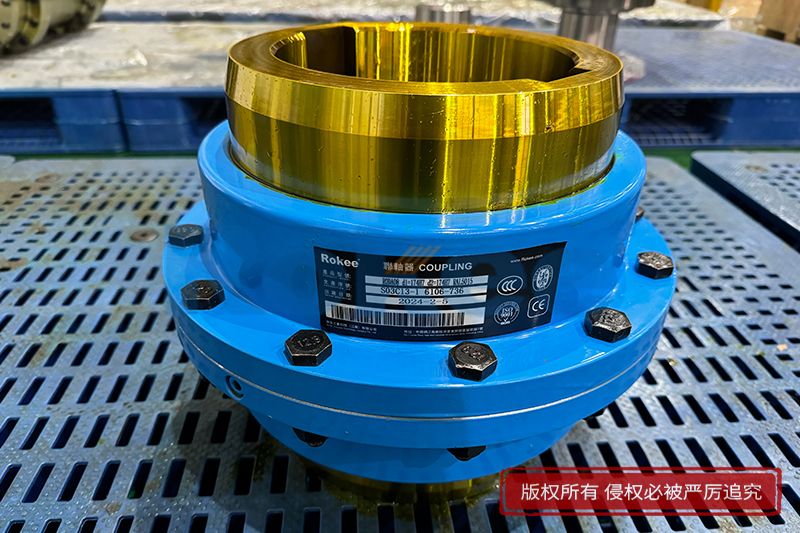
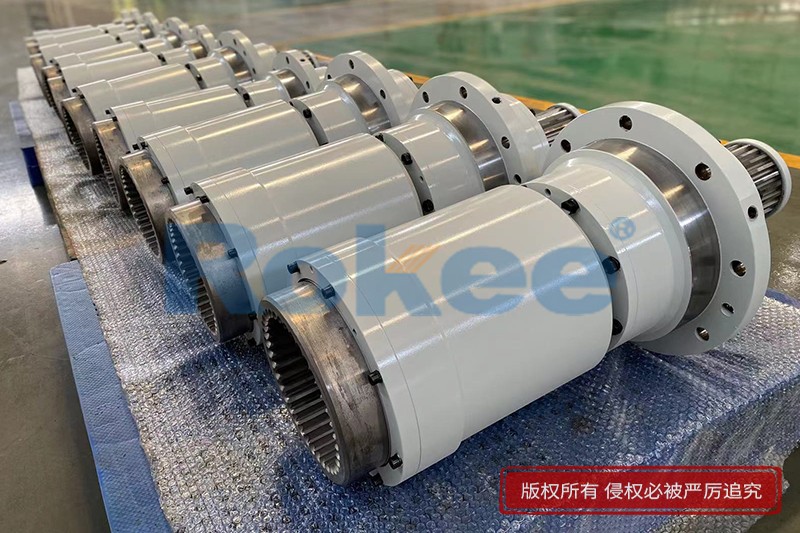
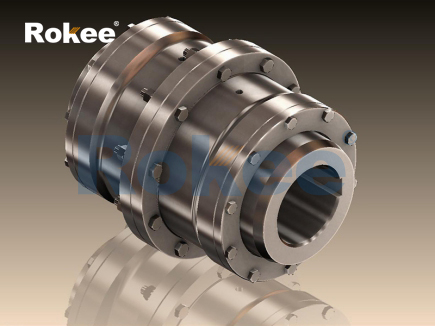
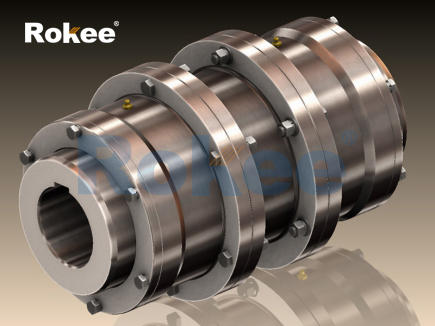
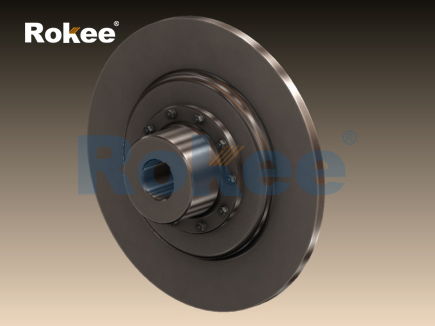
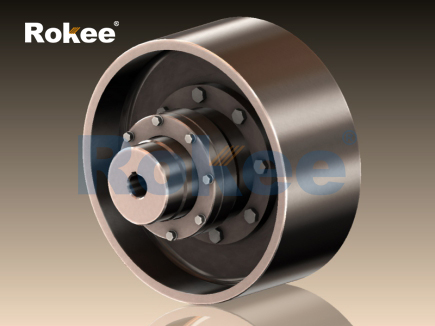
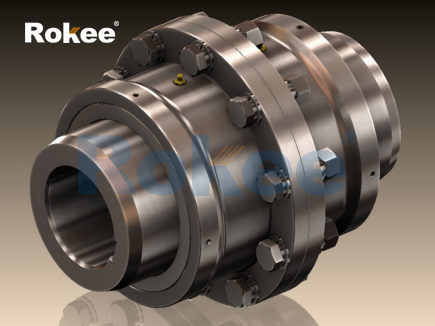
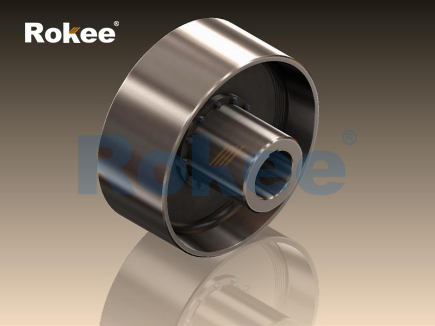
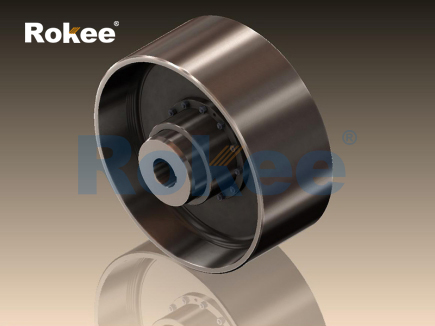
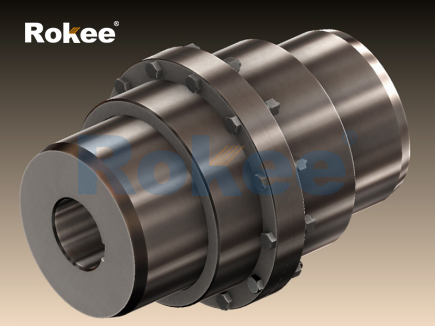
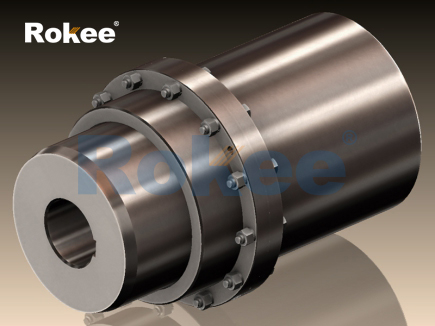
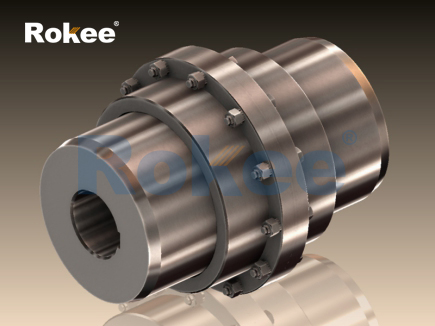
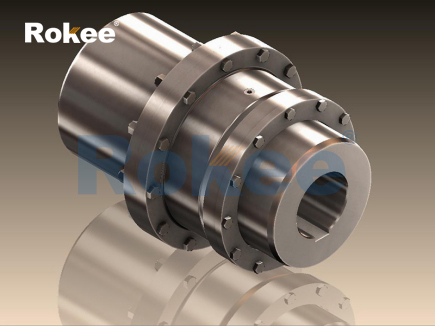
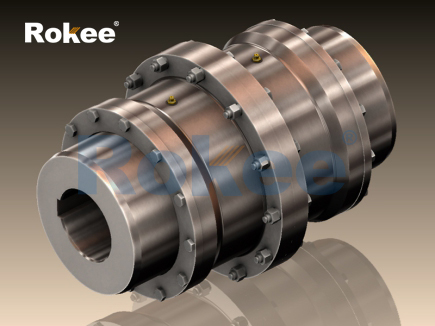
Teeth coupling, also widely known as gear coupling, is a crucial mechanical transmission component applied in various rotating machinery systems, serving as a key connecting unit between driving shafts and driven shafts in mechanical equipment. Its core function is to transmit torque and rotational motion stably while accommodating multiple types of shaft misalignment generated during equipment operation, ensuring the continuous and efficient operation of mechanical transmission systems. Compared with other traditional coupling types, teeth coupling stands out for its compact structural design, high torque transmission efficiency, strong load-bearing capacity and excellent adaptability to complex working conditions, making it extensively used in industrial fields such as metallurgy, mining, chemical engineering, power generation and heavy machinery manufacturing. To fully understand its application value and operational advantages, it is essential to conduct an in-depth analysis of its internal structure composition and complete working mechanism under different operating states.
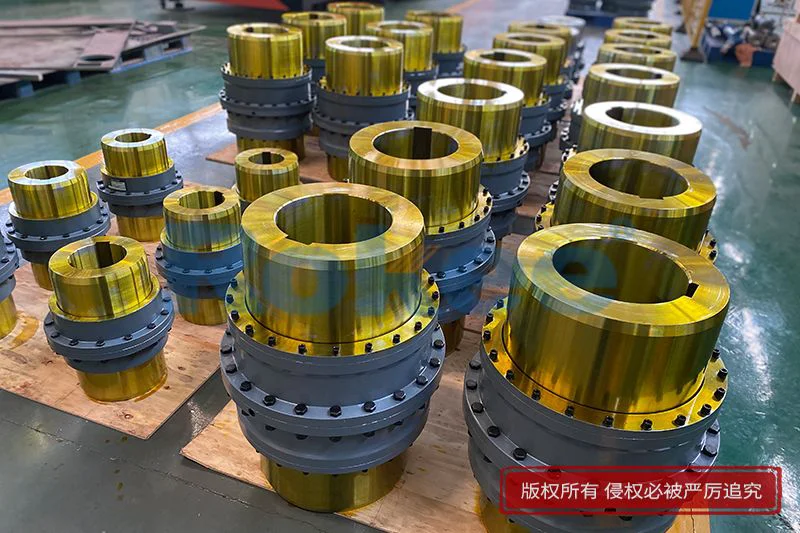
The basic structure of teeth coupling constitutes the foundation of its working principle, and the overall structure follows a symmetric and matched design logic without redundant auxiliary components. A standard teeth coupling is mainly composed of two outer sleeve halves with internal teeth and two hub halves with external teeth, which are the core functional parts responsible for motion and torque transmission. The external teeth are processed on the outer circular surface of the shaft hub that is fixedly connected with the equipment shaft, while the internal teeth are distributed on the inner wall of the outer sleeve. In the assembly state, the external teeth of the inner hub mesh tightly with the internal teeth of the outer sleeve to form a closed meshing transmission pair. Different from the fixed meshing of conventional gears, the tooth profile of teeth coupling is specially optimized, mostly adopting a modified involute tooth profile or a spherical tooth profile. This optimized tooth structure is not designed for simple fixed-axis rotation transmission, but to reserve a reasonable movable gap between meshing tooth surfaces, which creates conditions for the coupling to compensate for various shaft misalignments during operation. In addition, the interior of the meshing gap can store lubricating grease or lubricating oil during assembly, which plays a vital role in reducing friction, lowering operating temperature and delaying component wear in the subsequent working process.
The core working logic of teeth coupling is based on the meshing transmission between internal and external teeth, and the entire torque transmission process follows the basic laws of mechanical power transmission. When the driving equipment starts to operate, the driving shaft drives the connected inner hub with external teeth to generate synchronous rotational motion. With the rotation of the inner hub, the external tooth surfaces continuously exert thrust on the contact internal tooth surfaces of the outer sleeve, and the meshing friction and extrusion force between the tooth pairs drive the outer sleeve to rotate synchronously. Subsequently, the outer sleeve transmits the rotational torque to the driven inner hub on the other side, and finally drives the driven shaft to complete the rotation operation, realizing the continuous transmission of mechanical power from the driving end to the driven end. In the ideal working state where the driving shaft and the driven shaft are completely coaxial and the operating load is stable and uniform, the tooth surfaces of all meshing tooth pairs can achieve uniform contact. The torque is evenly distributed on each tooth pair, the stress of each tooth body is consistent, and the coupling operates stably with almost no impact and vibration. At this time, the teeth coupling only undertakes the basic torque transmission function, and the power transmission efficiency remains at a high and stable level.
In actual industrial operation, the absolute coaxial state of the driving shaft and driven shaft hardly exists. Affected by equipment installation errors, mechanical operation vibration, component thermal deformation after long-term operation, and foundation settlement, various misalignment states will inevitably occur between the two connected shafts, which is the key working scenario that teeth coupling is designed to adapt to, and also the core embodiment of its working principle advantages. The common misalignment forms include radial misalignment, angular misalignment and axial displacement, and the optimized tooth profile structure of teeth coupling can effectively compensate for these three types of misalignment through the flexible relative movement between meshing teeth. When radial misalignment occurs, the center lines of the driving shaft and the driven shaft produce a small radial offset. At this time, the movable gap between the internal and external teeth allows the external teeth to generate a small radial sliding displacement relative to the internal teeth during the rotation process. The tooth surfaces can still maintain effective meshing contact without generating excessive extrusion stress, thus avoiding the problem of transmission jamming or component damage caused by shaft offset.
When angular misalignment occurs between the two shafts, that is, a tiny included angle is formed between the center lines of the driving shaft and the driven shaft, the spherical or modified involute tooth profile of the coupling teeth can adapt to the angular deflection through the self-adaptive contact of the tooth surfaces. In this state, the contact position of the meshing tooth pairs will change slightly with the rotation angle, and the stress point on the tooth surface will shift appropriately, but the continuous meshing state will not be interrupted. The structural characteristics of the teeth enable the coupling to maintain stable torque transmission even under the condition of shaft deflection, and effectively offset the additional bending stress generated by angular misalignment on the shaft body, protecting the equipment shaft from fatigue damage. For the axial displacement of the shaft caused by thermal expansion and contraction or mechanical vibration, the longitudinal movable gap reserved between the meshing teeth of the teeth coupling can provide a certain axial sliding allowance. When the shaft produces axial telescopic movement, the internal and external teeth can slide relatively in the axial direction within the reserved gap range, ensuring that the transmission meshing state is not affected, and avoiding axial tension and compression on the shaft and related components.
The load adaptation mechanism of teeth coupling is an important part of its working principle, which determines its excellent performance under variable load and impact load working conditions. In the process of mechanical operation, the transmission load is not always constant. Starting impact, sudden load increase, intermittent operation and other working conditions will generate instantaneous impact load on the transmission system. The meshing gap and elastic contact characteristics between the internal and external tooth pairs of teeth coupling can play a good buffering and damping role. When instantaneous impact load is applied, the tiny gap between the tooth pairs will be slightly compressed, and the contact stress on the tooth surface will be released gradually through the micro-displacement of the teeth, avoiding the instantaneous concentration of impact force on individual components. This buffering effect can effectively reduce the vibration and noise of the transmission system, weaken the impact damage to the shaft, bearing and other supporting components, and improve the stability and fatigue resistance of the entire transmission system. At the same time, the uniform distribution of multiple tooth pairs enables the coupling to disperse the overall torque on dozens of meshing tooth surfaces during high-load operation, avoiding the problem of local stress concentration caused by single-point force bearing, so it can bear larger torque load under the same volume and weight conditions compared with other types of couplings.
The lubrication matching mechanism in the working process is an indispensable auxiliary part of the teeth coupling working principle, which directly affects the transmission efficiency and service life of the coupling. The meshing movement of internal and external teeth belongs to sliding-rolling composite friction movement. During the rotation process, the tooth surfaces not only produce rolling friction similar to ordinary gear transmission, but also generate tiny sliding friction due to the relative displacement caused by misalignment compensation. The lubricant filled in the tooth gap can form a uniform oil film on the contact surface of each tooth pair during operation. This oil film can completely isolate the metal tooth surfaces, eliminate dry friction between metals, reduce friction resistance and mechanical wear, and maintain high power transmission efficiency for a long time. In addition, the flowing lubricant can take away the heat generated by friction and extrusion during high-speed operation, effectively reduce the operating temperature of the coupling, avoid tooth surface thermal deformation and lubricant failure caused by high temperature, and ensure the long-term stable operation of the meshing transmission pair. For teeth coupling operating in low-speed and heavy-load conditions, the lubricating oil film can also bear part of the contact pressure, buffer the extrusion force between tooth surfaces, and further improve the load-bearing capacity of the coupling.
It is worth noting that the working state of teeth coupling has a stable self-adaptive adjustment characteristic in long-term operation. With the continuous rotation of the equipment, the meshing position of each tooth pair is constantly circulating and changing, and the load stress is alternately distributed on different tooth surfaces, avoiding the long-term single-point stress of individual teeth. This circulating force-bearing mode makes the wear of each tooth surface more uniform, prevents local excessive wear from affecting the transmission accuracy, and ensures the long-term stability of the coupling’s working performance. Even if slight uniform wear occurs on the tooth surface after long-term operation, the reserved meshing gap of the coupling can still compensate for the wear loss, so that the transmission accuracy and misalignment compensation ability will not be significantly reduced in a long service cycle.
In terms of power transmission loss, the working principle of teeth coupling determines its low-loss transmission characteristics. Different from flexible couplings that rely on elastic component deformation for transmission, teeth coupling mainly relies on rigid tooth meshing for power transmission, and the deformation of core components during operation is extremely small, so the elastic deformation loss of power is almost negligible. Meanwhile, the optimized tooth profile reduces the sliding friction coefficient between tooth surfaces, and the lubrication system further reduces friction loss, making the power transmission efficiency of teeth coupling always maintained at a high level. This low-loss working characteristic enables the mechanical equipment to save more power energy during operation, improving the overall operating efficiency of the equipment system.
To sum up, the working principle of teeth coupling is a comprehensive mechanical operation system integrating rigid meshing transmission, misalignment adaptive compensation, impact buffering and low-friction lubrication. It realizes efficient and stable torque and motion transmission through the precise meshing cooperation between internal and external teeth, and solves the common mechanical problems of shaft misalignment, impact load and friction wear in industrial transmission through the structural optimization of tooth profile and reserved movable gap. Its unique working mechanism makes it have irreplaceable advantages in heavy-load, high-speed and complex working condition transmission scenarios, and also lays a solid theoretical foundation for its wide application in modern industrial mechanical transmission systems. The stable working performance and strong environmental adaptability derived from its working principle ensure that the teeth coupling can maintain reliable operating state in long-term and high-intensity industrial production, and provide stable power transmission guarantee for the normal operation of various mechanical equipment.
- Tags:
- Teeth Couplings ,
- sandwich panel line ,
- sandwich panel machine
- pu sandwich panel machine
« Working Principle of Teeth Couplings » Latest Update Date: Jun 3, 2026
https://www.rokeecoupling.net/blog/working-principle-of-teeth-couplings.html