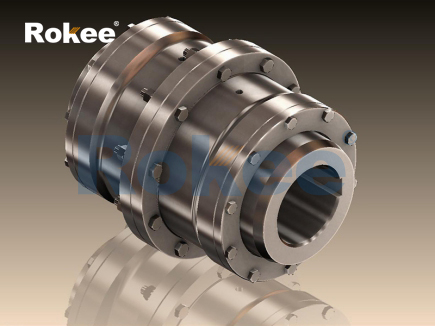
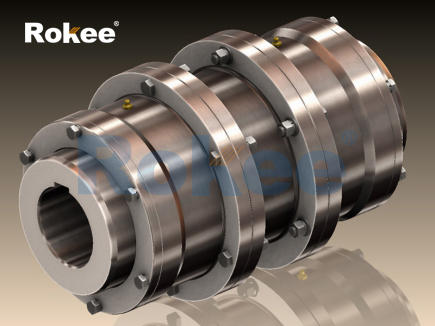
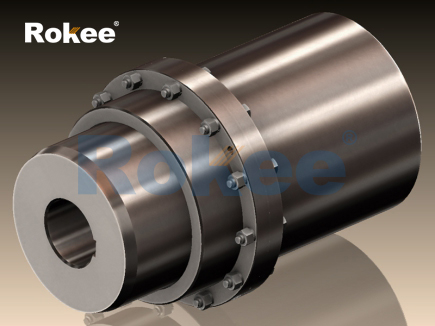
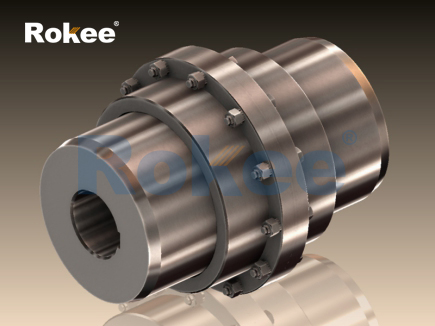
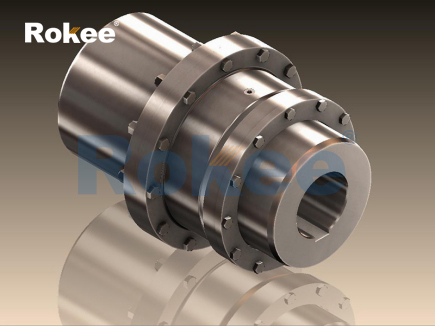
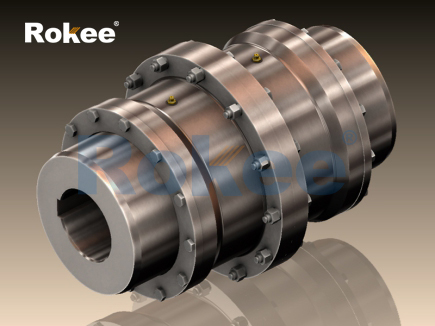
Gear couplings stand as one of the most robust and widely adopted mechanical transmission components in modern industrial mechanical systems, serving the critical function of connecting two rotating shafts to transmit torque while accommodating inevitable shaft misalignments during equipment operation. As an indispensable part of power transmission assemblies, these mechanical parts have gained extensive application across heavy industrial sectors due to their exceptional load-bearing capacity, stable transmission performance and excellent environmental adaptability. This catalogue elaborates on the structural composition, working mechanisms, core classifications, performance characteristics, application scopes, processing standards and daily maintenance guidelines of gear couplings, aiming to provide comprehensive and systematic reference information for mechanical selection, equipment assembly and industrial application optimization. Different from flexible couplings that rely on elastic deformation of non-metallic components and rigid couplings with highly precise coaxiality requirements, gear couplings balance mechanical rigidity and adaptive flexibility, making them uniquely suitable for harsh working conditions with heavy loads, frequent startup shocks and continuous long-term operation.
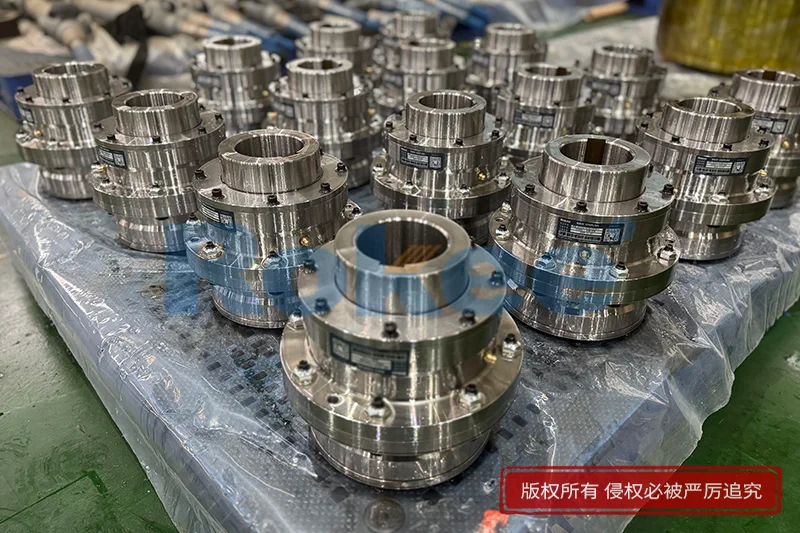
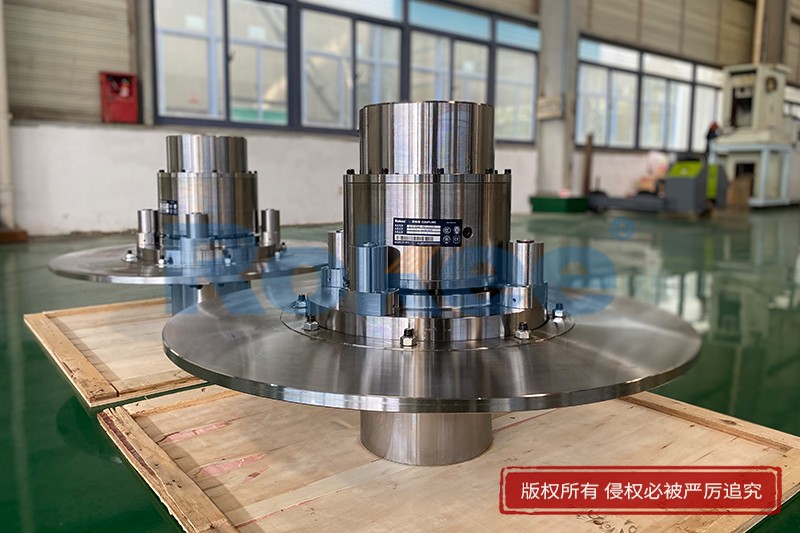
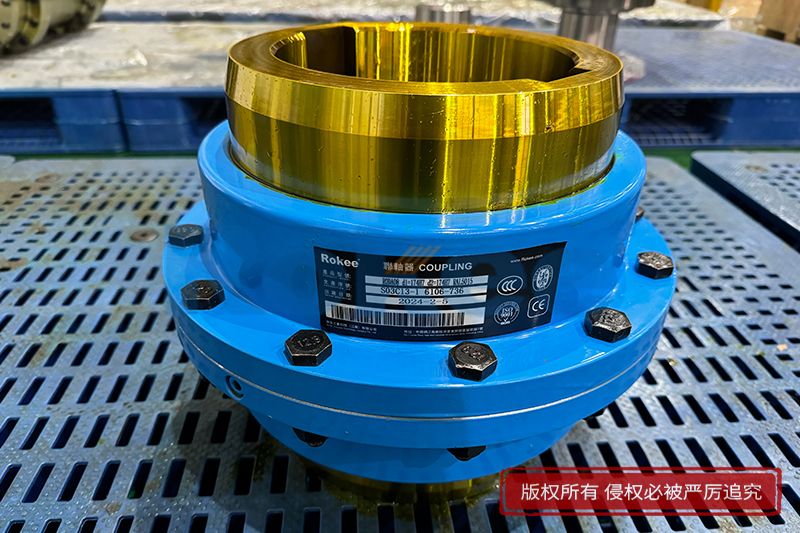
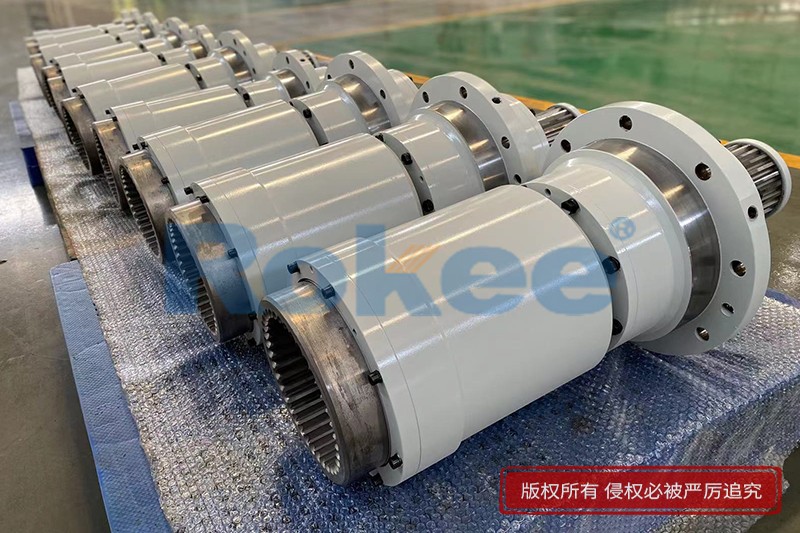
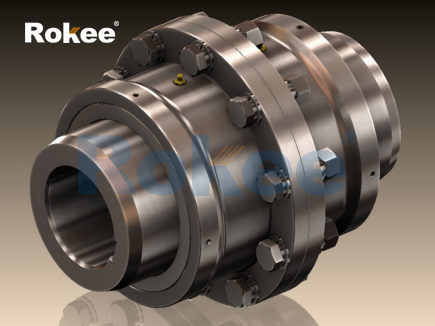
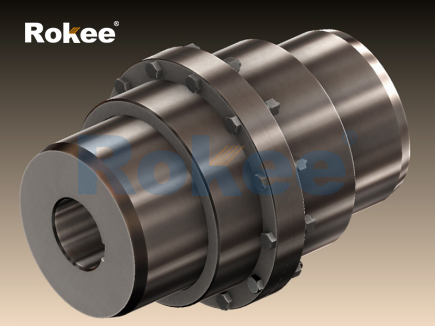
The basic structural composition of gear couplings follows a mature and optimized mechanical design logic, and the core structure of conventional products mainly consists of two half-couplings with external gears, an intermediate gear sleeve with internal gears, and auxiliary fastening and sealing components. The external gear teeth on the half-couplings usually adopt a crown tooth profile instead of traditional straight tooth structure, which is a key optimization design to enhance the adaptive performance of the couplings. The curved outline of crown teeth enables uniform load distribution along the tooth width during meshing, effectively reducing local contact stress between meshing teeth and avoiding excessive wear or tooth surface extrusion deformation caused by concentrated stress. The intermediate gear sleeve acts as the connecting medium between the two half-couplings, and the precise meshing of internal and external gears realizes the synchronous rotation of the driving shaft and the driven shaft. Auxiliary components include locking parts for axial fixation and composite sealing structures composed of skeleton oil seals and labyrinth structures, which jointly maintain the structural stability and internal sealing performance of the couplings in complex working environments.
The working principle of gear couplings is based on the mechanical meshing transmission of gear pairs and the tiny displacement allowance generated by tooth profile clearance. When the power equipment operates, the driving half-coupling rotates synchronously with the driving shaft, and the torque is transmitted to the intermediate gear sleeve through the meshing friction between external teeth and internal teeth. Subsequently, the gear sleeve drives the driven half-coupling to rotate, thereby realizing the efficient transfer of torque between two independent shafts. The reasonable tooth gap reserved between meshing teeth provides a certain movement space for the shafts, which enables the couplings to comprehensively compensate for three common types of shaft misalignments in industrial production. These misalignments include radial offset caused by installation errors, angular deflection generated by equipment vibration, and axial displacement resulting from thermal expansion and contraction of metal parts during long-term operation. Compared with straight tooth gear couplings, crown tooth structures can bear larger angular deflection without generating additional bending stress on the tooth surface, which significantly improves the tolerance of the transmission system to installation deviations and operational deformations.
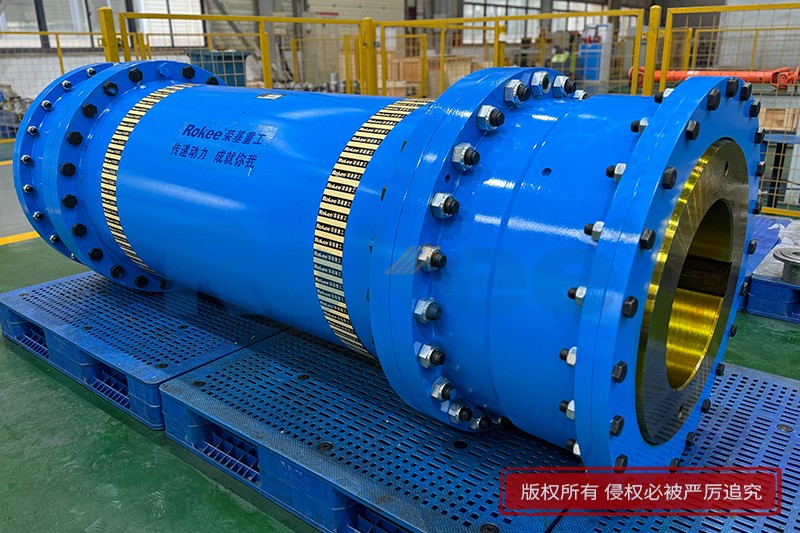
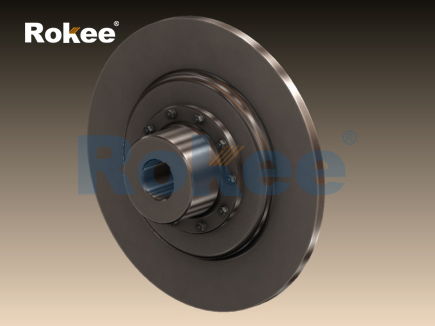
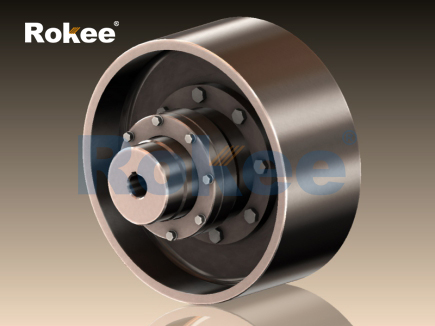
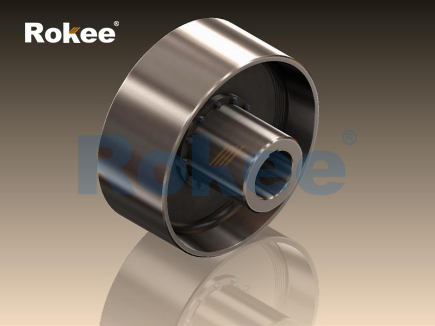
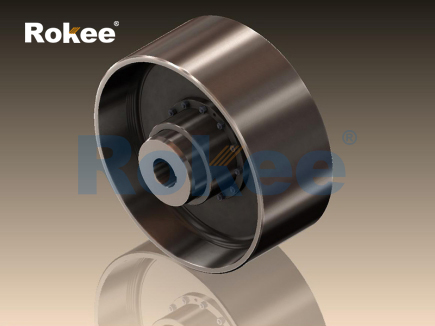
According to structural differences and functional adaptations, gear couplings can be divided into several mainstream categories with distinct characteristics to meet diversified industrial transmission demands. The first category is the basic short-sleeve gear coupling, which features a compact overall structure, no intermediate transmission shaft, and a short axial dimension. This type of coupling is suitable for equipment with limited installation space and small shaft spacing, and it is commonly used in medium-load transmission systems with stable operation conditions. The second category is the intermediate shaft gear coupling, which adds an extended intermediate transmission shaft between two sets of meshing gear structures. The lengthened structural design enhances the misalignment compensation capability, especially for large radial offset between shafts, and it is widely applied in transmission links with long shaft spacing such as mining conveying equipment and large-scale handling machinery. The third category is the double-flange gear coupling, which optimizes the connection structure at both ends into flange assembly forms. This design simplifies the installation and disassembly process, facilitates the rapid docking of shaft components, and is more convenient for daily inspection and replacement of parts.
In addition to the above conventional classifications, gear couplings can also be distinguished by sealing forms and lubrication modes. Fully enclosed sealing structures are mostly adopted for products used in dusty, humid or corrosive working environments. The composite sealing system combining oil seals and labyrinth barriers can effectively block external dust, moisture and chemical impurities from entering the meshing area, preventing tooth surface corrosion and abrasive wear. Open semi-sealed structures are usually applied in dry and clean indoor production environments, which reduces structural processing costs and simplifies the daily lubrication operation process. In terms of lubrication, forced thin oil lubrication and grease lubrication are the two mainstream modes. Forced thin oil lubrication forms a continuous oil film on the meshing tooth surface through circulating oil supply, which can control the wear rate of gear teeth at an extremely low level and is suitable for high-speed and heavy-load continuous operation scenarios. Grease lubrication features simple operation and low maintenance cost, which is more applicable to medium-low speed transmission equipment with intermittent operation cycles.
The outstanding comprehensive performance of gear couplings stems from optimized material selection and precision processing technology. High-quality alloy steel is the primary raw material for manufacturing core gear components, and the metal materials undergo strict carburizing quenching and precision grinding treatments. The processed gear teeth have high surface hardness and good internal toughness, which can resist extrusion deformation and impact damage under instantaneous heavy load conditions. The optimized tooth profile design effectively improves the contact area between meshing teeth, making the load-bearing capacity of gear couplings much higher than that of elastic couplings with the same outer diameter. Meanwhile, the integral metal structure enables the couplings to maintain stable mechanical performance under extreme temperature changes, avoiding aging, deformation and performance attenuation problems that are prone to occur in non-metallic elastic components. In terms of operational stability, the smooth meshing of crown teeth reduces meshing impact and operating noise, and the vibration damping effect is significantly better than that of ordinary straight tooth transmission structures.
Gear couplings have clear application boundaries and scenario adaptability in industrial production, and they are predominantly applied in heavy-duty industrial fields that require high torque transmission and continuous stable operation. In the metallurgical industry, these couplings serve the main transmission systems of rolling mills, bearing the high torque generated by metal rolling and resisting frequent mechanical shocks during rolling processes to ensure the synchronous and stable operation of rolling equipment. In the mining industry, they are installed on lifting machinery and crushing equipment to adapt to harsh working conditions such as outdoor exposure, dust pollution and variable load impacts, maintaining the reliability of power transmission under complex geological environments. In the field of heavy handling, gear couplings are applied to the transmission structures of cranes and conveying machinery, compensating for shaft displacement caused by equipment vibration and ensuring the safety and stability of material handling operations.
Besides heavy industrial equipment, gear couplings also play an important role in municipal engineering, chemical production and energy power industries. In chemical production equipment, the closed sealing structure of gear couplings can resist the erosion of chemical volatile gases and humid corrosive liquids, protecting internal gear structures from chemical damage and extending the service life of transmission components. In thermal power and wind power generation equipment, the couplings connect power shafts and generator shafts, adapting to long-term continuous operation and low-frequency vibration working conditions to ensure the efficient conversion and transmission of mechanical energy. In large-scale water conservancy and drainage equipment, they bear the torque generated by high-power water pumps, resisting axial thrust and mechanical vibration during liquid transportation to maintain the long-term stable operation of fluid transmission systems.
Reasonable installation and standardized daily maintenance are key prerequisites to give full play to the performance advantages of gear couplings and extend their service life. During the installation process, it is necessary to strictly control the coaxiality error of the two connecting shafts. Excessive installation deviation will cause additional friction and extrusion stress on the meshing tooth surface, accelerate local wear and even lead to tooth fracture in severe cases. The axial fastening parts need to be locked in place to avoid axial displacement of components caused by equipment operation vibration. After installation, the internal lubricant should be injected in accordance with the specified standards to ensure that all meshing tooth surfaces are completely covered by the lubricating medium, reducing dry friction loss during operation. In daily maintenance, regular inspection of sealing integrity is required to replace aging sealing accessories in a timely manner and prevent lubricant leakage and external impurity infiltration.
The replacement cycle of internal lubricants needs to be formulated in combination with operating intensity and environmental conditions. For equipment operating continuously under heavy loads, the lubricant should be replaced every few months to avoid performance degradation caused by lubricant oxidation and impurity mixing. For intermittently used mechanical equipment, the replacement interval can be appropriately extended on the premise of ensuring lubricant purity. During the regular maintenance process, the meshing state of gear teeth should be checked regularly to observe whether there are abnormal wear, surface scratches or corrosion marks. Once local damage is found, the damaged components should be repaired or replaced in a timely manner to prevent the expansion of defective parts from affecting the overall transmission efficiency and even causing equipment failure. In addition, the surface of the couplings should be kept clean regularly to remove accumulated dust and oil dirt, avoiding the heat dissipation obstruction caused by surface dirt accumulation during high-speed operation.
Compared with other common types of couplings in the mechanical market, gear couplings have distinct competitive advantages and inherent limitations. In terms of advantages, their ultra-high load-bearing capacity enables them to adapt to heavy-load working conditions that cannot be met by elastic couplings, and their metal integral structure has better high-temperature resistance and aging resistance. The multi-directional misalignment compensation capability solves the installation and operation deviation problems of rigid couplings, reducing the assembly difficulty and equipment failure rate. In terms of limitations, the overall manufacturing cost of gear couplings is higher than that of simple structural couplings due to complex processing technology and high-quality raw materials. The metal meshing structure cannot isolate high-frequency vibration and noise, so additional vibration reduction and noise reduction devices need to be configured in high-precision mechanical systems. Moreover, regular lubrication maintenance is indispensable, and the maintenance cost in the full life cycle is higher than that of maintenance-free elastic couplings.
With the continuous upgrading of modern industrial manufacturing technology, the production and optimization technology of gear couplings is also constantly improving. Advanced precision machining equipment optimizes the tooth surface roughness and meshing accuracy of gear couplings, further reducing friction resistance and operating noise. New high-strength alloy materials improve the fatigue resistance and corrosion resistance of components, expanding the adaptable working temperature range and service environment of the products. The optimized integrated sealing structure simplifies the assembly process while improving the anti-leakage performance of lubricants. In the future development trend, gear couplings will develop towards miniaturization, high precision and intelligence. Miniaturized structural designs will meet the transmission demands of compact automated equipment, high-precision processing technology will reduce mechanical vibration and energy loss during operation, and intelligent detection components will realize real-time monitoring of tooth surface wear, lubricant status and operating temperature, providing data support for predictive maintenance of industrial equipment.
In conclusion, gear couplings are essential foundational transmission components in the modern mechanical industry. Their unique meshing transmission structure, excellent load-bearing performance and reliable misalignment compensation capability make them irreplaceable in heavy industrial transmission systems. A clear understanding of the structural types, working principles, performance characteristics and maintenance specifications of gear couplings can help mechanical designers and equipment managers complete scientific component selection and standardized daily management. In the context of continuous industrial upgrading, gear couplings will continuously complete technological iterations and performance optimizations to adapt to increasingly complex industrial working conditions, providing stable and efficient power transmission guarantees for various mechanical equipment and promoting the steady development of the entire mechanical manufacturing industry.
- Tags:
- Brake Drum Gear Couplings ,
- Crown Gear Couplings ,
- Drum Gear Couplings ,
- Tooth Gear Couplings ,
- Curved Tooth Gear Couplings ,
- Spherical Gear Couplings ,
- Face Gear Couplings ,
- Full Gear Couplings ,
- Gear Couplings ,
- Flexible Gear Couplings ,
- Flexible Drive Gear Couplings ,
- sandwich panel line ,
- sandwich panel machine
- pu sandwich panel machine
« Catalogue of Gear Couplings » Latest Update Date: May 9, 2026
https://www.rokeecoupling.net/blog/catalogue-of-gear-couplings.html