![Barrel Coupling For Traveling Crane]()
Barrel Coupling For Traveling Crane
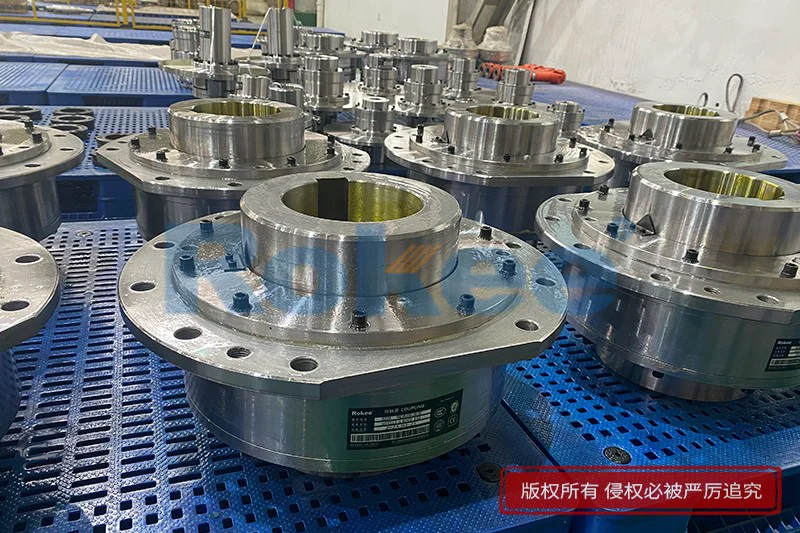
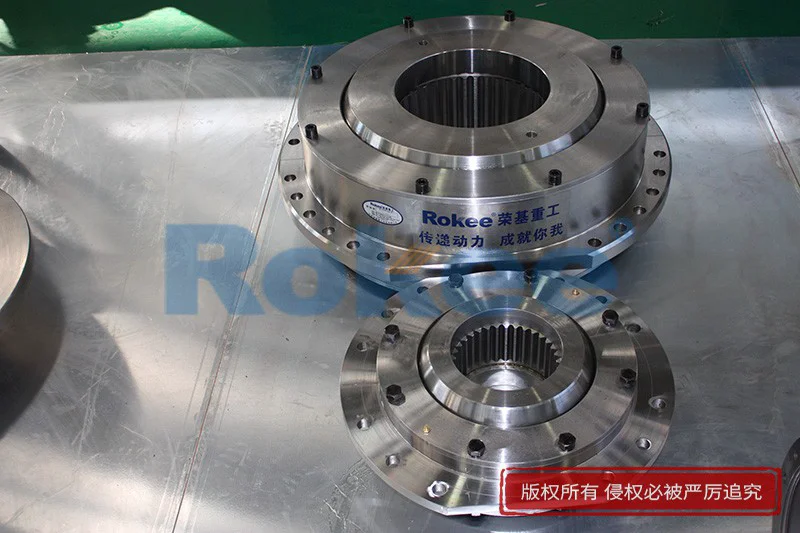
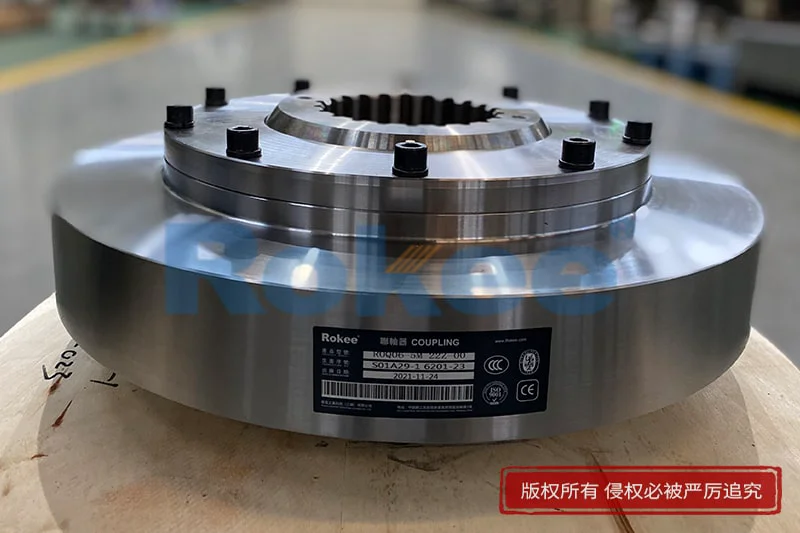
May 9, 2026Traveling cranes are indispensable equipment in modern industrial production, widely used in factories, ports, warehouses, and construction sites to lift, move, and position heavy loads. These cranes rely on a complex transmission system to convert the power of the motor into the mechanical motion required for lifting and traveling, and among the numerous components in this system, the barrel coupling plays a crucial and irreplaceable role. As a key connecting part, it serves as the bridge between the reducer’s power output shaft and the crane’s drum, ensuring the stable transmission of torque, compensating for shaft misalignment, and protecting the entire transmission system from damage. Without a high-performance barrel coupling, the traveling crane’s operation would be unstable, inefficient, and even prone to serious safety accidents, highlighting the vital significance of this component in ensuring the crane’s normal and safe operation.![Barrel Coupling For Shop Traveller]()
Barrel Coupling For Shop Traveller
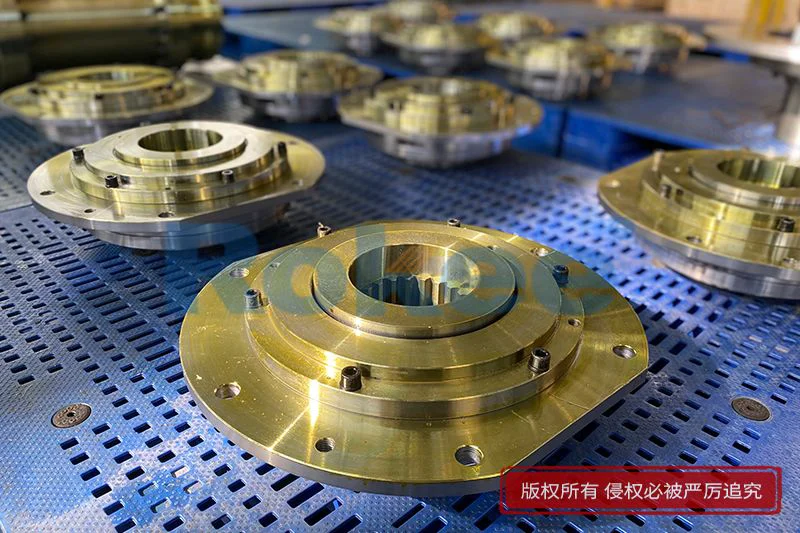
May 9, 2026In the realm of material handling and workshop operations, the smooth and efficient movement of heavy loads is a cornerstone of productivity and safety. Shop travellers, essential equipment in workshops, factories, and industrial settings, rely on a range of components to function seamlessly, and among these, the barrel coupling plays a pivotal role. A barrel coupling designed for shop travellers is a specialized mechanical component engineered to connect rotating shafts, transmit torque, and accommodate minor misalignments, ensuring that the shop traveller operates with precision, reliability, and longevity. Unlike generic couplings, those tailored for shop travellers are crafted to meet the unique demands of material handling applications, where consistent performance under varying loads and operating conditions is non-negotiable. Whether used in small workshops or large industrial facilities, the barrel coupling serves as a critical link between the motor, reducer, and the moving parts of the shop traveller, enabling the efficient transfer of power while minimizing wear and tear on the entire system.![Barrel Coupling For Pump]()
Barrel Coupling For Pump
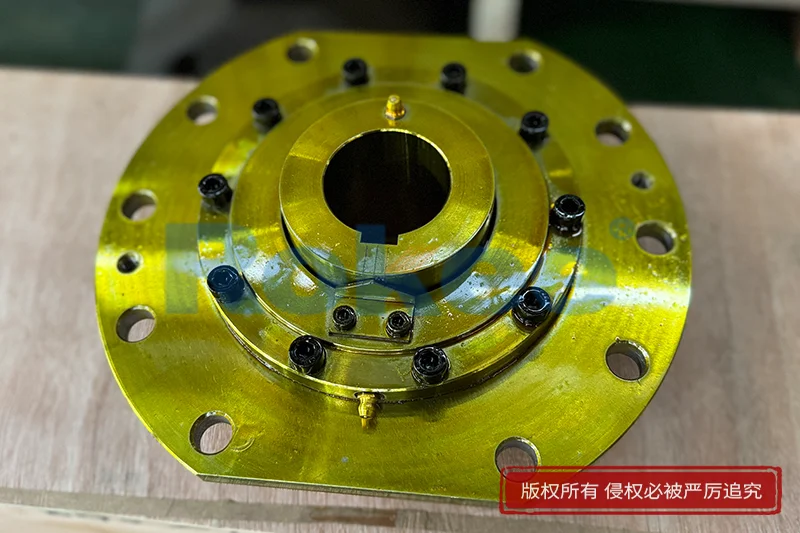
May 9, 2026Barrel couplings are specialized mechanical components engineered to facilitate efficient torque transmission and precise shaft alignment in pump systems, playing an indispensable role in ensuring the smooth and reliable operation of various pumping equipment across industries. Unlike general-purpose couplings, barrel couplings are uniquely designed to adapt to the specific working conditions of pumps, which often involve continuous rotation, varying load demands, and potential misalignments between the pump shaft and the driving motor shaft. Their cylindrical structure, combined with carefully optimized design features, allows them to withstand the mechanical stresses, vibrations, and operational pressures that are inherent to pump operations, making them a critical component in maintaining the overall performance and longevity of pump systems. Whether in industrial process pumps, water supply and drainage pumps, or specialized pumps used in harsh environments, barrel couplings serve as the vital link between the driving source and the pump, ensuring that power is transferred efficiently without excessive energy loss or component wear.![Barrel Coupling For Overhead Traveling Crane]()
Barrel Coupling For Overhead Traveling Crane
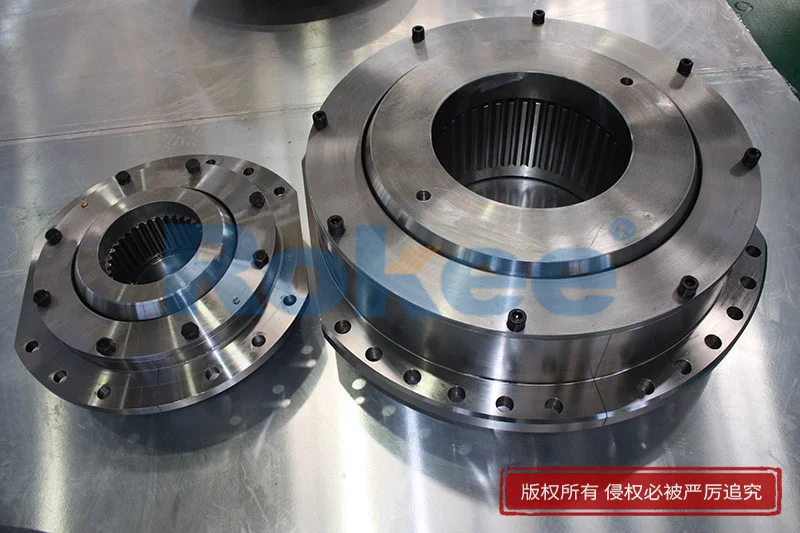
May 9, 2026In the realm of industrial material handling, overhead traveling cranes stand as indispensable equipment, facilitating the movement of heavy loads across factories, warehouses, ports, and construction sites. These cranes rely on a complex interplay of mechanical components to ensure smooth, safe, and efficient operation, with each part playing a critical role in the overall performance of the system. Among these components, the barrel coupling emerges as a vital link in the power transmission chain, connecting the reducer shaft to the crane’s drum and enabling the seamless transfer of torque while accommodating inevitable misalignments and loads. Unlike other types of couplings, the barrel coupling is specifically engineered to meet the unique demands of overhead traveling cranes, which often operate under varying loads, frequent start-stop cycles, and harsh industrial environments. Its design and functionality are tailored to address the challenges of transmitting high torque, absorbing radial forces, and compensating for positional deviations, making it an essential component that directly impacts the crane’s reliability, safety, and service life.![Barrel Coupling For Crane]()
Barrel Coupling For Crane
May 9, 2026In the complex system of crane operations, every component plays a vital role in ensuring safety, efficiency, and reliability. Among these components, the barrel coupling stands out as a critical mechanical element that connects key parts of the crane’s transmission system, enabling the seamless transfer of torque while accommodating misalignments and mitigating operational stresses. Cranes are indispensable in a wide range of industries, from construction and manufacturing to ports and logistics, where they handle heavy loads with precision and stability. The performance of a crane is directly dependent on the quality and functionality of its individual parts, and the barrel coupling is no exception—it acts as a bridge between the gearbox output shaft and the cable drum, two components that are essential for the crane’s lifting and hoisting capabilities. Without a properly functioning barrel coupling, the crane’s ability to transmit power efficiently would be compromised, leading to potential downtime, reduced productivity, and even safety hazards.![Barrel Coupling For Bridge Crane]()
Barrel Coupling For Bridge Crane
May 9, 2026In the complex ecosystem of industrial lifting equipment, bridge cranes stand out as indispensable workhorses, facilitating the movement of heavy loads across warehouses, manufacturing plants, construction sites, and ports. These cranes rely on a series of interconnected components to operate efficiently and safely, with each part playing a critical role in ensuring the seamless transmission of power and the stable handling of loads. Among these components, the barrel coupling holds a position of particular importance, serving as a vital link in the crane’s transmission system that connects the reducer’s power output shaft to the drum. Without a reliable barrel coupling, the bridge crane’s ability to transmit torque, compensate for misalignments, and withstand operational stresses would be severely compromised, leading to reduced efficiency, increased downtime, and potential safety hazards.![Barrel Coupling Design]()
Barrel Coupling Design
May 9, 2026Barrel coupling design is a critical aspect of mechanical engineering that focuses on creating reliable, efficient connections between rotating shafts in various industrial applications. These couplings serve as essential components in transmitting torque while accommodating misalignments, absorbing shocks, and ensuring smooth operation of machinery. Unlike other types of couplings, barrel couplings are specifically engineered to handle high radial loads and significant torque transmission, making them indispensable in heavy-duty equipment such as cranes, hoists, conveyor systems, and industrial machinery. The design process of barrel couplings involves a comprehensive understanding of mechanical principles, material properties, and application requirements, as each component and dimension must be carefully calibrated to meet the demands of the specific operating environment.![Barrel Coupling Calculation]()
Barrel Coupling Calculation
May 9, 2026A barrel coupling is a critical mechanical component designed to transmit torque between rotating shafts, particularly in applications where misalignment compensation, axial displacement absorption, and high load-bearing capacity are essential. Unlike rigid couplings that require precise alignment between shafts, barrel couplings offer flexibility to accommodate angular, parallel, and axial misalignments, which are common in industrial machinery due to thermal expansion, structural deformation, or installation inaccuracies. The calculation of barrel couplings is a systematic process that involves evaluating multiple factors, including torque transmission requirements, load conditions, material properties, and geometric parameters, to ensure the component operates safely, efficiently, and reliably throughout its service life. This process is not merely a matter of selecting a standard size but requires a detailed analysis of the application’s specific demands to avoid premature failure, reduce maintenance costs, and optimize overall system performance.![Barrel Coupling Brands]()
Barrel Coupling Brands
May 9, 2026Barrel couplings are essential mechanical components designed to connect two rotating shafts in various industrial applications, enabling efficient torque transmission while accommodating a certain degree of misalignment between the shafts. These components play a critical role in ensuring the smooth and reliable operation of machinery across a wide range of sectors, from heavy manufacturing to renewable energy. Unlike some other types of couplings, barrel couplings are specifically engineered to handle high radial loads and large torque capacities, making them indispensable in applications where robust power transmission is required. Their unique design, which typically includes a sleeve with internal semicircular toothing, a hub with external toothing, and cylindrical steel barrels inserted between the toothing, allows them to transmit torque through the contact between the barrels and the toothing surfaces, while also compensating for angular and axial misalignments that may occur during operation.![Barrel Coupling Assembly Drawing]()
Barrel Coupling Assembly Drawing
May 9, 2026A barrel coupling assembly drawing is a detailed technical document that serves as a critical guide for the manufacturing, assembly, inspection, and maintenance of barrel couplings, which are essential mechanical components used to connect two shafts in various industrial applications. These drawings translate abstract design concepts into precise, visual instructions that ensure every component of the barrel coupling fits together correctly, functions as intended, and meets the required performance standards. Unlike simple part drawings, an assembly drawing focuses on the relationships between individual components, showing how they interact, align, and work together to form a complete, functional barrel coupling. The accuracy and clarity of such drawings are paramount, as even minor discrepancies can lead to assembly errors, reduced performance, premature wear, or even catastrophic failure in the machinery where the coupling is installed.![Ball Hinge Barrel Coupling]()
Ball Hinge Barrel Coupling
May 9, 2026In the complex ecosystem of mechanical transmission systems, the ball hinge barrel coupling stands out as a critical component designed to bridge the gap between rotating shafts, ensuring efficient power transfer while accommodating the inevitable misalignments that occur in real-world operations. Unlike conventional couplings that prioritize either rigidity or flexibility, this specialized device balances both attributes, making it indispensable in a wide range of industrial applications where precision, durability, and adaptability are non-negotiable. Its unique design, which combines the structural advantages of ball hinge mechanisms with the robust torque-transmitting capabilities of barrel couplings, allows it to handle radial loads, compensate for angular and axial misalignments, and maintain stable performance even under harsh operating conditions.![Ball Dumpling Barrel Coupling]()
Ball Dumpling Barrel Coupling
May 9, 2026In the realm of mechanical power transmission, couplings serve as the critical link between rotating shafts, enabling the seamless transfer of torque while accommodating misalignments, reducing vibration, and protecting machinery from excessive stress. Among the diverse range of coupling types available, the ball dumpling barrel coupling stands out as a specialized and reliable option, designed to meet the demands of various industrial applications where precision, durability, and adaptability are paramount. This coupling type derives its name from its unique structural components, which include barrel-shaped elements and ball dumpling-like connectors that work in tandem to deliver efficient power transmission and exceptional performance under challenging operating conditions. Unlike generic couplings, the ball dumpling barrel coupling is engineered to address specific challenges such as angular, radial, and axial misalignments, making it a preferred choice for industries that rely on heavy-duty machinery and continuous operation.![Application of Barrel Couplings]()
Application of Barrel Couplings
May 9, 2026Barrel couplings are specialized mechanical components designed to connect two rotating shafts in industrial systems, facilitating the efficient transmission of torque while accommodating minor misalignments and absorbing vibrations. Unlike other types of couplings, their unique cylindrical structure—often featuring a sleeve-like barrel shape with integrated teeth or roller elements—makes them particularly suitable for applications that require high torque capacity, robustness, and reliable performance under demanding operating conditions. These couplings play an indispensable role in various industries, from heavy machinery and material handling to manufacturing and energy production, where the seamless transfer of rotational power is critical to operational efficiency and safety.- Cardan Shaft Coupling For Edge Bonding Machine
- Universal Shaft Joint For Metallurgical Machinery
- Cross Type Universal Joint For Blender
- Universal Cross Joint For CNC Machine
- Universal Joint For Veneer Reeling Machine
- Universal Shaft For Electric Motor
- Universal Joint Shaft For Steel Mill
- Universal Joint Coupling For Steering Gear Box
- Universal Cross Joint Coupling For Vibrating Screen
- Universal Joint Shaft Coupling For Bridge Crane
- Universal Shaft Coupling For Roll Squeezer
- Telescopic Universal Joint For Water Pump
- Universal Coupling For Rotavator
- Cross Joint Coupling For Angle Grinder
- Telescopic Drive Shaft For Fluid Pump
- Cross Joint Shaft For Rolling Machine
- Telescopic Shaft For Crane
- Telescoping Driveshaft For Rotavator
- Cross Cardan Shaft For Borehole Pump
- Bush Type Coupling Models
- Efficiency of Bush Pin Type Couplings
- Grease of Bushed Pin Type Coupling
- Tagging of Bushed Pin Flexible Coupling
- Lubrication of Pin Type Flexible Coupling
- Catalogue of Pin Type Couplings
- Custom Bush Pin Type Flexible Coupling
- Pin Bush Type Couplings Supply
- Components of Pin And Bushing Coupling
- High Quality Pin And Bush Type Couplings
- Bushed Couplings Picture
- Bush Pin Type Flexible Couplings Drawing
- Procurement of Pin Type Couplings
- Parts of Pin Type Flexible Coupling
- Working Principle of Bushed Pin Flexible Couplings
- Torque of Bushed Pin Type Coupling
- Exploded View of Bush Pin Type Couplings
- Bushed Pin Type Flexible Coupling Assembly Drawing
- Bush Type Coupling Standard Sizes
- Teeth Coupling For Motor
- High-end Curved Tooth Couplings
- Safety Tooth Coupling
- Toothed Coupling For Rolling Mill
- Direct Sale Flexible Drive Gear Couplings
- High-speed Flexible Gear Coupling
- Full Gear Coupling For Crane
- Geared Coupling With Intermediate Shaft
- Face Gear Coupling For Metallurgy
- Spherical Gear Coupling With Intermediate Pipe
- High-end Curved Tooth Gear Couplings
- Gear Type Coupling For Rolling Mill
- Tooth Gear Coupling With Intermediate Sleeve
- Drum Gear Coupling With Brake Wheel
- Crown Gear Coupling With Intermediate Sleeve
- Brake Drum Gear Coupling For Water Pump
- Cross Cardan Shaft For Reducer
- Telescoping Driveshaft For Electrical Machinery
- Telescopic Shaft For Roller Press
- Cross Joint Shaft For Bridge Crane
- Telescopic Drive Shaft For Straightener
- Cross Joint Coupling For Oil Rig
- Universal Coupling For CNC Machine
- Telescopic Universal Joint For Petroleum Machinery
- Universal Shaft Coupling For Roller Bed
- Universal Joint Shaft Coupling For Thread Roller
- Universal Cross Joint Coupling For Screw Rolling Machine
- Universal Joint Coupling For Metallurgical Machinery
- Universal Joint Shaft For Angle Grinder
- Universal Shaft For Steering Gear Box
- Universal Joint For Rotavator
- Universal Cross Joint For Drilling Pump
- Cross Type Universal Joint For Paper Making Machinery
- Universal Shaft Joint For Thread Roller
- Cardan Shaft Coupling For Hydraulic Pump
- Industrial Cardan Shaft For Screw Rolling Machine
- Cardan Drive Shaft For Vibrating Screen
- Cardan Universal Joint For Water Pump
- Cardan Joint For Straightening Machine
- Cardan Coupling For Roller Bed
- Bushed Couplings Supply
- Bush Type Coupling Manufacturing
- Torque of Pin Type Flexible Coupling
- High Quality Pin Bush Type Couplings
- Efficiency of Pin And Bushing Couplings
- Telescopic Drive Shaft For Hydraulic Pump
- Universal Coupling For Bridge Crane
- Universal Shaft Coupling For Reducer
- Universal Cross Joint Coupling For Electric Motor